
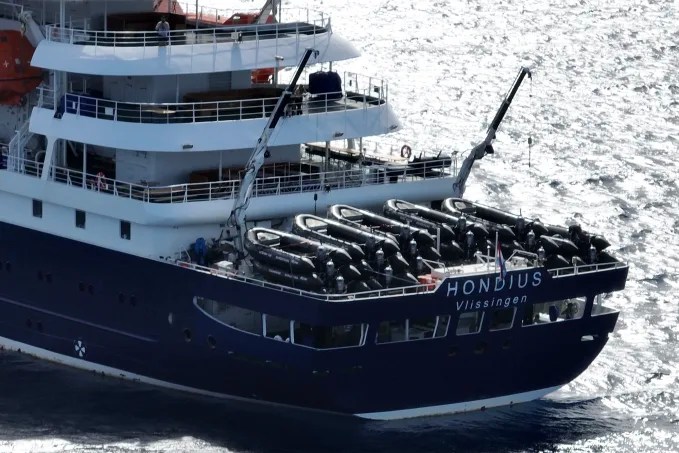
The MV Hondius hantavirus outbreak has shocked the travel world. A luxury polar expedition cruise turned tragic when three passengers died and others fell ill from a suspected hantavirus infection. The Dutch-flagged ship, operated by Oceanwide Expeditions, remains anchored off Praia, Cape Verde, after authorities denied docking as a precaution.
MV Hondius Cruise Ship Hantavirus Outbreak: What Happened?
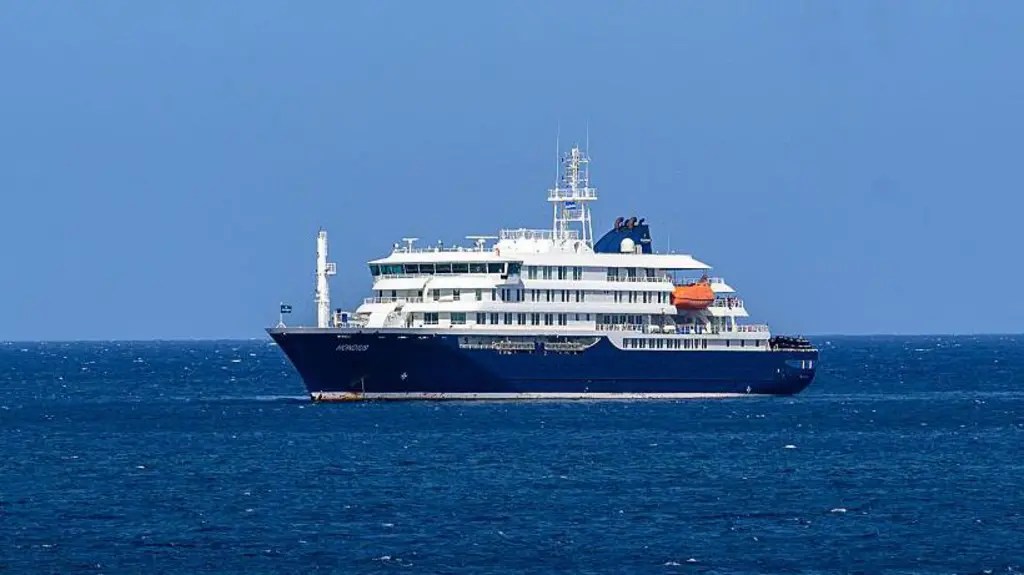
The MV Hondius Cruise Ship departed Ushuaia, Argentina, on March 20, 2026, for an extended Atlantic Odyssey expedition. It visited Antarctica, the Falkland Islands, South Georgia, and remote South Atlantic islands before heading toward Cape Verde and the Canary Islands.
Tragedy struck during the voyage. Three passengers died: a Dutch husband and wife, plus a German national. One British passenger received laboratory confirmation of hantavirus and was airlifted to intensive care in Johannesburg, South Africa. Five additional suspected cases exist, and two crew members: one British, one Dutch, show symptoms requiring urgent care.
Approximately 149 people, including 17 Americans from 23 nationalities, remain aboard. Cape Verde refused disembarkation for public health reasons, creating a floating standoff while international coordination proceeds.
What Is Hantavirus? Symptoms, Transmission, and Risks
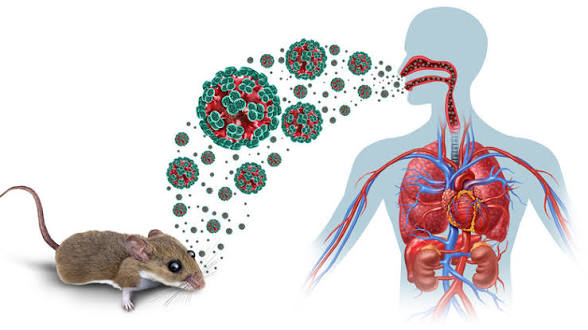
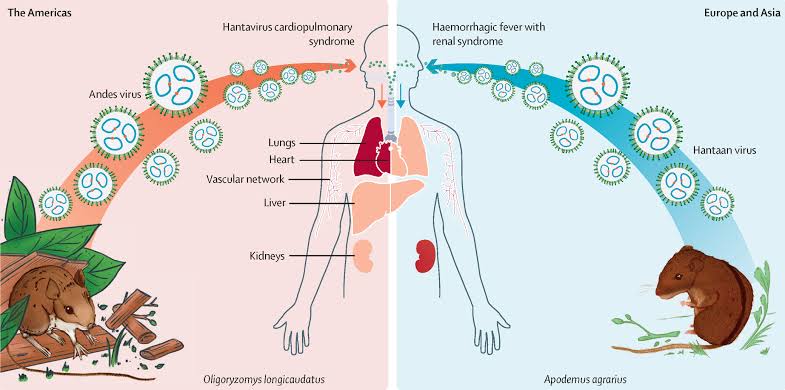
Hantavirus refers to rodent-borne viruses causing serious illnesses like Hantavirus Pulmonary Syndrome (HPS) or Hemorrhagic Fever with Renal Syndrome (HFRS). Early symptoms mimic the flu:
- Fatigue, fever, muscle aches
- Headaches, dizziness, chills
- Abdominal pain, nausea, vomiting, diarrhea
Later stages can involve coughing, shortness of breath, fluid-filled lungs, low blood pressure, internal bleeding, or kidney failure. Fatality rates reach 30-40% in severe cases without supportive care.
Transmission occurs primarily through inhaling aerosolized particles from infected rodent urine, droppings, or saliva. Bites or direct contact are rarer. Human-to-human spread is very uncommon. No rodents have been found aboard the MV Hondius, leaving the exact source under investigation, possibly linked to stops in endemic areas like parts of Argentina.
WHO assesses low public risk overall and has not recommended travel restrictions. Detailed lab testing and epidemiological probes continue.
Psychological Toll: Paradise at Sea Turns into a Floating Prison
Passengers on this once-in-a-lifetime Antarctic cruise now face isolation, grief, uncertainty, and cabin fever. Luxury expedition ships offer limited space compared to mega-cruisers, amplifying stress during medical emergencies far from land.
Elderly travelers, common on such voyages, appear especially vulnerable. The deaths of the Dutch couple underscore risks for senior adventurers pursuing bucket-list trips. Mental health support and clear communication from operators become critical in these scenarios.
No Port in the Storm: Cape Verde’s Decision and Geopolitical Challenges
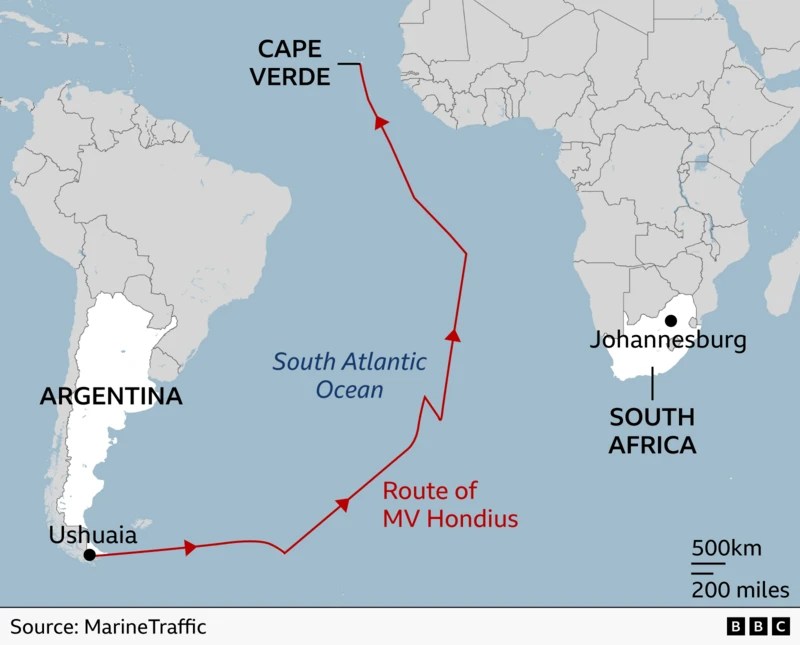
Cape Verde’s refusal to allow docking reflects standard precautionary measures for infectious disease risks. Diplomatic efforts involve the WHO, South Africa, Netherlands, Argentina, UK, and others for safe evacuations and medical transfers.
This mirrors COVID-era cruise ship crises and raises questions about sovereignty, tourism-dependent economies, and responsibility for “floating disease hotspots.” Potential rerouting to the Canary Islands remains under discussion.
Multinational Coordination: Managing a Crisis Across Borders

With passengers from dozens of countries, the response tests international health systems. Successful evacuations e.g., the British patient to South Africa, demonstrate rapid coordination, but challenges persist for those still aboard. WHO coordinates support, emphasizing urgency while reassuring the public.
Cruise Industry Wake-Up Call for Expedition Travel
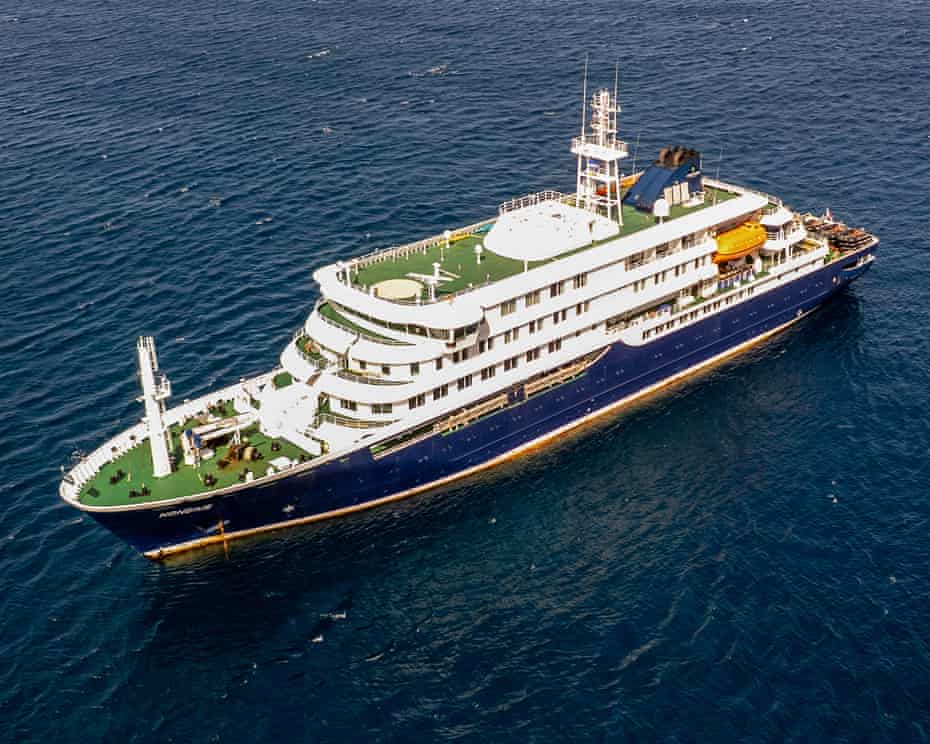
Smaller polar expedition vessels like the MV Hondius accommodating ~170 passengers offer intimate wildlife experiences but face unique biosecurity hurdles in remote regions. This incident prompts scrutiny of:
- Onboard medical capabilities
- Pre-boarding health screenings
- Rodent control and pest management
- Emergency evacuation protocols
- Comprehensive travel insurance with medical repatriation
Travelers should weigh the allure of remote adventures against potential risks in a post-pandemic world.
Mystery of the Origins: Where Did the Hantavirus Come From?
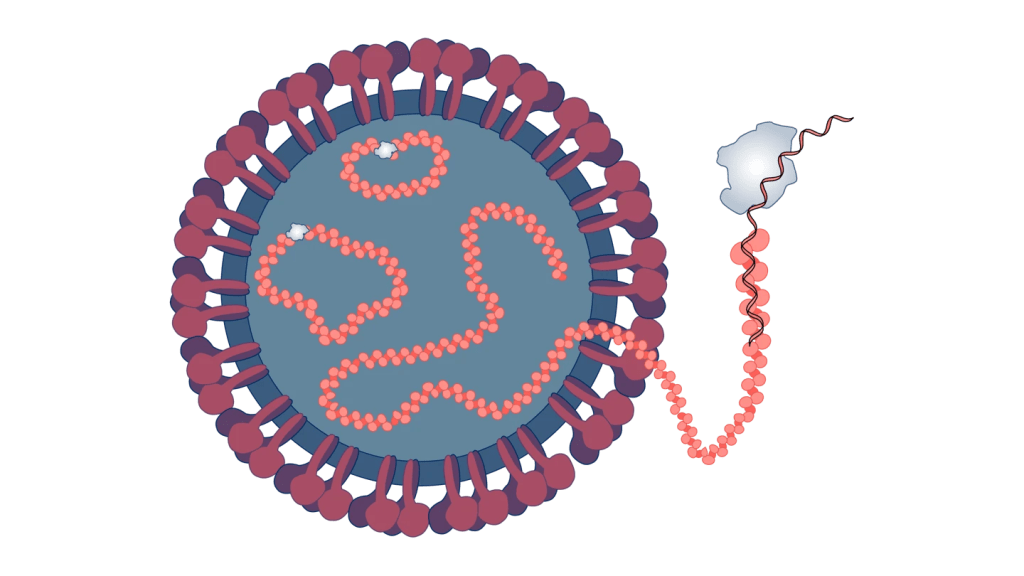
The absence of rodents on the ship deepens the puzzle. Investigators examine possible exposure during land excursions in South America or South Atlantic islands, contaminated supplies, or other undetected vectors. Climate change and human encroachment into wildlife habitats may increase such zoonotic events.
Voices from the Deck: Human Stories Behind the Headlines
Passengers describe shifting from awe at penguins and icebergs to anxiety and solidarity. Social media updates from aboard provide real-time glimpses into life under quarantine-like conditions. These personal narratives humanize the statistics and remind us of the emotional cost.
What Travelers Need to Know: Safety Tips and Future Planning

The WHO stresses low general risk for the public. Standard precautions apply:
- Avoid contact with rodents or their habitats in endemic areas.
- Ensure good ventilation when cleaning potentially contaminated spaces.
- Choose reputable operators with strong health protocols.
- Purchase robust travel insurance covering medical evacuation.
- Disclose health conditions, especially for older adults or those with respiratory/kidney issues.
This MV Hondius hantavirus outbreak serves as a sobering reminder of nature’s unpredictability, even on meticulously planned luxury expeditions. While tragic, it offers opportunities to strengthen global preparedness and traveler safety. Stay informed through verified sources as developments unfold.
For the absolute latest, check WHO, Oceanwide Expeditions, or reputable news outlets. Safe travels.

 Sure Media Magazine
Leave a comment