
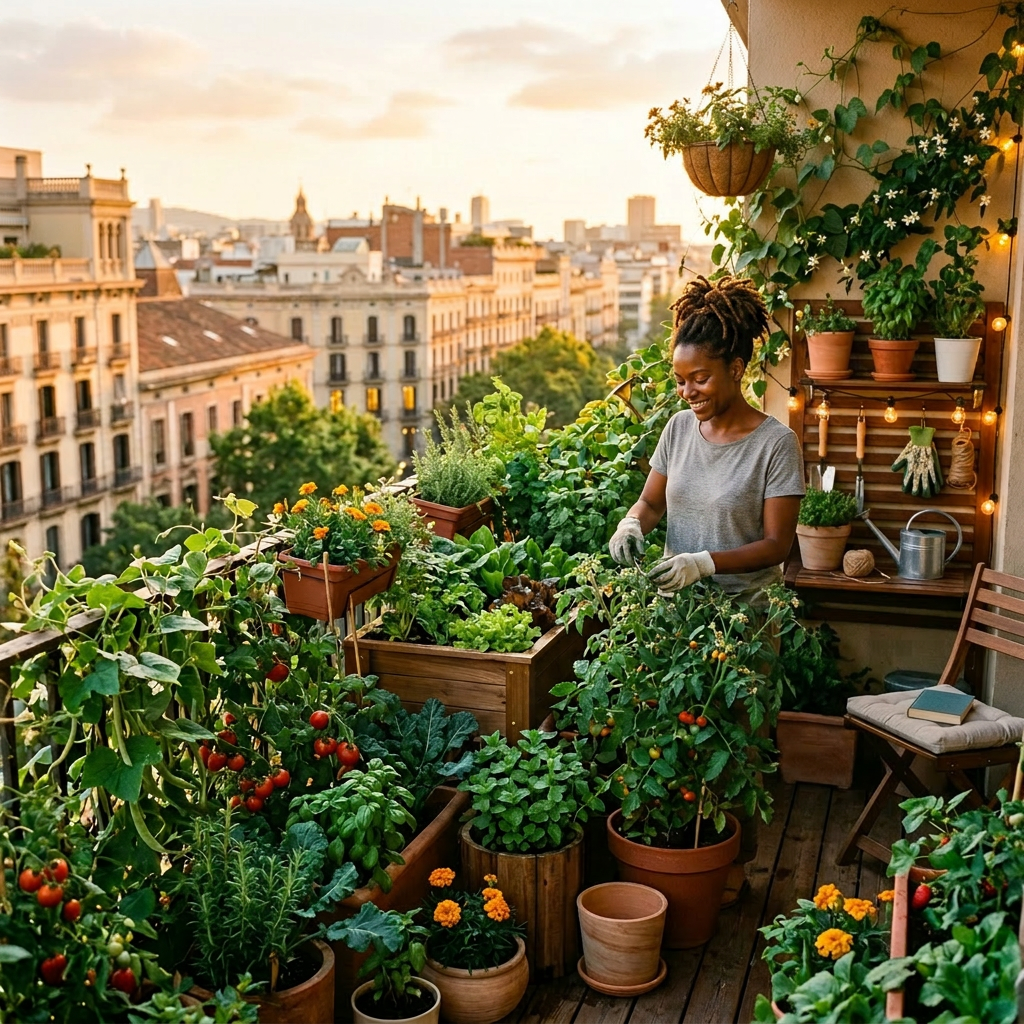
What were once small outdoor spaces used for drying clothes, storing unused furniture, or getting a little fresh air are now turning into miniature farms. Tomato vines curl around apartment railings. Herbs grow in recycled containers. Spinach, lettuce, peppers, and strawberries thrive in buckets lined neatly against concrete walls.
As food prices continue rising and urban living becomes more expensive, more people are turning to balcony farming as a practical way to save money, eat healthier, and feel more self-sufficient.What once seemed like a hobby for gardening enthusiasts is increasingly becoming part of everyday urban survival.
Urban farming on balconies has quietly grown into a global trend shaped by economic pressure, environmental awareness, and social media influence. From Nairobi to New York, city residents are discovering that even the smallest apartment balcony can produce fresh food.For many people, the motivation is simple: groceries are becoming harder to afford.
Inflation, fuel costs, supply-chain disruptions, and climate-related crop shortages have pushed food prices higher across many countries. In response, urban residents are finding creative ways to grow at least part of their own food supply.
Balcony farming offers a low-cost entry point.
Unlike traditional farming or large backyard gardens, balcony gardening requires very little space and can start with basic materials already available at home. Many beginners use recycled buckets, plastic bottles, wooden crates, or old cooking containers as planters. A few packets of seeds, soil, and regular watering are often enough to begin.
Some of the easiest crops to grow in small urban spaces include spinach, sukuma wiki, lettuce, mint, coriander, spring onions, peppers, and tomatoes. Many herbs grow especially well in containers and require minimal maintenance.
Vertical gardens are becoming increasingly popular in cities where outdoor space is scarce. Instead of spreading plants outward, urban farmers grow upward using hanging pots, stacked containers, wall-mounted planters, and wooden shelves. Some people even use hydroponic systems, which allow plants to grow in nutrient-rich water instead of soil.
Social media has helped accelerate the trend.
On TikTok, Instagram, and YouTube, videos of thriving balcony gardens regularly attract millions of views. Creators post tutorials showing how to grow vegetables in tiny apartments, compost in small spaces, or transform dull balconies into lush green corners.These videos resonate because they tap into something deeper than gardening.
For many young adults dealing with rising rent, economic uncertainty, and burnout from fast-paced digital lifestyles, balcony farming provides a sense of progress that feels tangible and calming. Watching seeds grow into edible plants offers a kind of satisfaction that modern urban life often lacks.
The financial benefits may not completely replace grocery shopping, but they can still make a noticeable difference.A small herb garden can reduce spending on ingredients that are constantly repurchased in supermarkets. Homegrown vegetables can also help households manage fluctuating food prices while improving access to fresh produce.
In cities where nutritious food is expensive or difficult to access, that matters.For families, balcony farming has also become an educational activity. Parents increasingly involve children in planting, watering, and harvesting crops, using small gardens to teach responsibility, nutrition, and environmental awareness.
Transporting food across long distances contributes heavily to carbon emissions and packaging waste. Growing food closer to where it is consumed reduces some of that environmental impact.Even small balcony gardens can contribute to greener urban spaces. Plants help cool buildings, improve air quality, and support pollinators like bees and butterflies.
Challenges
Limited sunlight is one of the biggest obstacles for apartment residents. Some balconies receive only a few hours of direct sunlight each day, making it difficult to grow certain crops. Water shortages in densely populated cities can also make regular gardening harder.
Large containers filled with wet soil can become heavy, and not all apartment balconies are designed to support extensive gardening systems. Some landlords and apartment complexes also restrict modifications or large-scale planting.
Beginners often struggle with pests, over watering, mold, or changing weather conditions. Like any form of farming, balcony gardening requires patience and consistency.Yet despite these challenges, the trend continues growing.
Part of the appeal is psychological.
Modern city life often leaves people disconnected from the systems that sustain them. Food appears on supermarket shelves without consumers ever seeing how it is grown, transported, or priced. Balcony farming restores a small but meaningful connection to that process.It also challenges long-standing ideas about urban living.
For decades, cities were designed around concrete, efficiency, and density, with little room for food production or green spaces. Balcony farming represents a quiet shift away from that model. People are reclaiming small pieces of urban space and transforming them into something productive.
Governments, environmental organizations, and urban planners are starting to pay attention.Some cities now offer workshops that teach residents how to grow food in small spaces. Others distribute seeds, compost, or educational materials to encourage urban agriculture.
Architects are increasingly incorporating rooftop gardens, green balconies, and shared growing spaces into residential developments. What once seemed unconventional is slowly becoming part of mainstream conversations about sustainable cities.
For some people, it is about lowering grocery bills during difficult economic times. For others, it is about healthier eating, mental well-being, or environmental responsibility.For many urban residents, it is about regaining a sense of control.
In a world shaped by inflation, housing pressure, climate anxiety, and economic uncertainty, growing food on a balcony may seem like a small act. But for millions of people living in cities, those herbs, vegetables, and recycled containers represent resilience, creativity, and adaptation.
A balcony harvest may not completely solve the financial pressures of modern life. But it shows how people continue finding innovative ways to survive and build stability,one tomato plant at a time.




 Sure Media Magazine
Leave a comment