
From the outside, many relationships appear happy and fulfilling. Couples share laughter, attend social events together, and post smiling photos online. Yet behind the privacy of the bedroom, some of these same couples are facing a quiet and deep challenge: sexual dysfunction one that affects their confidence, emotional connection, and sometimes the survival of their relationship itself.
Sexual dysfunction, once considered a private or taboo topic, is quietly affecting millions of couples worldwide. When couple argue ,it’s either about money or about sex. Too much, too little or nothing at all. Sexual dysfunction -psychologiyst like to use for a host of sexual problems which crops up in all relationships ,and affects both female and male .
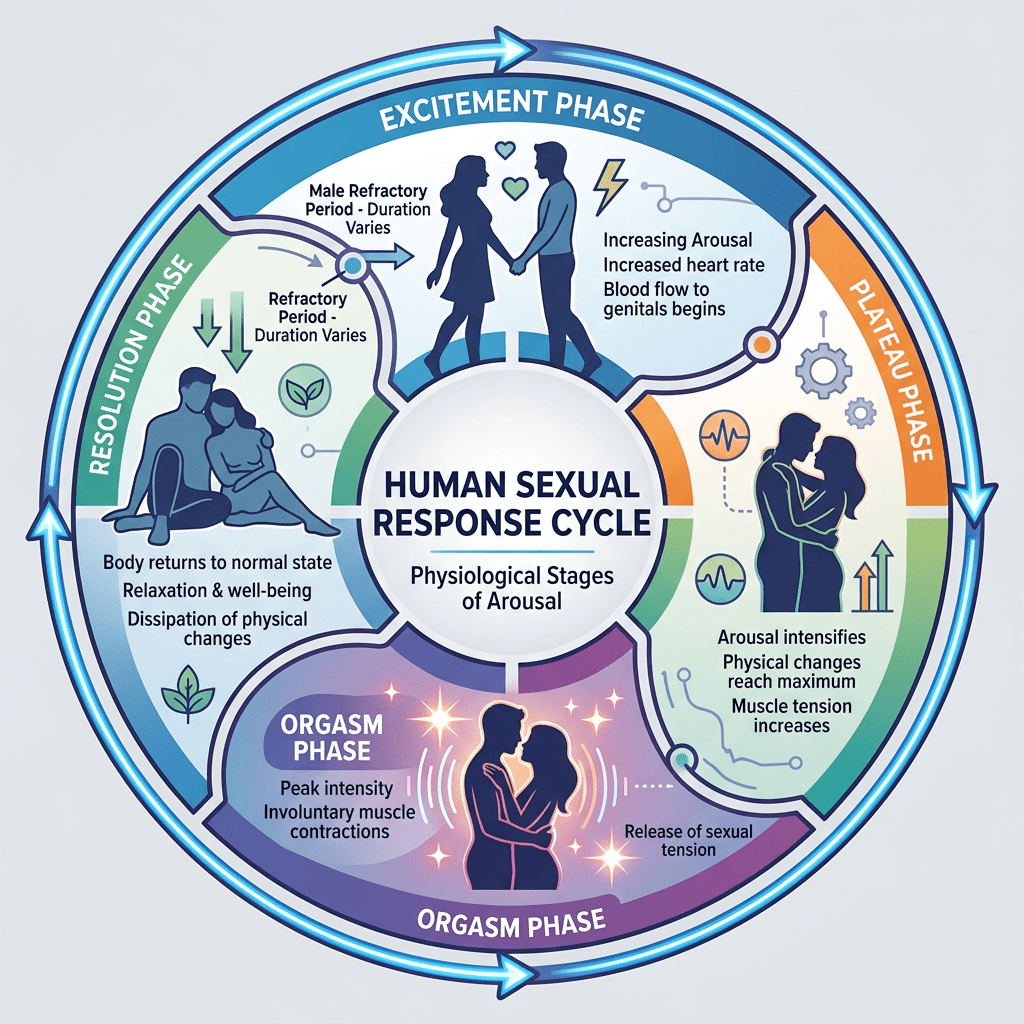
Basically ,the sexual response cycle has four phases ;excitement, plateau, orgasm and resolution. If you repeatedly have problems during any of the phases, making it difficult to be sexually satisfied ,then you could be suffering from sexual dysfunction.
CYCLES OF SEXUAL RESPONSE
A. Excitement phase
Key Physiological Changes During Excitement: The excitement phase is the first stage of the human sexual response cycle, driven by physical or mental erotic stimuli, leading to increased heart rate, breathing, and blood pressure. It is characterized by genital vasocongestion (blood flow) causing erections, vaginal lubrication, and increased muscle tension. Cardiovascular/Respiratory: Heart rate, blood pressure, and breathing rate rise. Genital Blood Flow (Vasocongestion): Those with a penis: The penis fills with blood, becoming erect. The testicles swell and the scrotum tightens. Those with a vagina: The vaginal walls produce lubrication (wetness). The clitoris swells, the inner vagina expands, and the labia may increase in size. General Body Changes: Increased muscle tension (myotonia), nipple hardening, and potential skin flushing on the chest or back. Duration and Triggers: Triggers: The phase is initiated by sexual stimuli, including kissing, touching, fantasies, or visual stimulation. Duration: The duration is highly variable depending on the individual and the nature of the stimulation.
B. Plateau phase
The plateau phase is the second stage of the human sexual response cycle, occurring between excitement and orgasm, where physical arousal intensifies and stabilizes. Key Characteristics of the Plateau Phase: Intensity: Sexual tension increases further, rather than flattening, often leading to a state of heightened passion. Physical Changes (General): Skin flushing on the chest/back, increased muscle tension (myotonia), and increased heart/breathing rates. Female Responses: The clitoris becomes highly sensitive and retracts under the clitoral hood. The outer third of the vagina swells (orgasmic platform) while the inner part expands. Further lubrication occurs. Male Responses: The penis becomes more erect, the testicles increase in size and elevate closer to the body, and pre-ejaculatory fluid may be released. Duration and Significance: This phase can be extended, which is relevant to sexual technique and treating dysfunction. If stimulation is discontinued or interrupted, the body may not proceed to orgasm, potentially resulting in temporary sexual frustration. The plateau phase immediately precedes the involuntary muscle contractions of the orgasm phase.
C. Orgasm phase
The orgasm phase is the third stage of the sexual response cycle, acting as the peak of sexual arousal and tension release. Lasting only a few second, this phase marks a sudden release of built-up tension. Key Physiological Characteristics: Muscular Contractions: Involuntary contractions occur in the vaginal muscles/uterus (women) or base of the penis (men), typically occurring about 5-8 times, roughly once per second. Cardiovascular Changes: Heart rate, blood pressure, and breathing rates reach their highest levels. Neurological/Hormonal Release: A sudden release of built-up physical tension is accompanied by a rush of pleasure, often associated with a surge of oxytocin and other “happy hormones”. Body Changes: A “sex flush” (rash) may appear on the skin. Duration: The shortest phase in the cycle, generally lasting only a few seconds. Differences in Sexual Orgasm: Males: Usually consists of two stages: emission (semen pooling) and ejaculation (expulsion). Females: Involves rhythmic contractions of the vagina and uterus, and can be achieved through various types of stimulation (e.g., clitoral, vaginal)
D. Resolution phase
The resolution phase is the final stage of the sexual response cycle, where the body gradually returns to its normal, unaroused state after orgasm, characterized by muscle relaxation, decreased heart rate, and reduction of genital swelling. It often involves feelings of well-being, fatigue, or intimacy.
Sexual dysfunction can have physical or a psychological cause .for instance ,if you had a difficult labour during which there was some tearing of the vaginal tissue ,resulting in pain during intercourse ,yours will be forgiven if you neve want to see a penis again. Or perhaps rape took place at your childhood and although you enjoy sex with your loving, gentle husband ,you just cannot orgasm.
Fortunately ,most female sexual dysfunctions are treatable ,so if you suspect that things aren’t quite right in the bedroom department see a doctor .Better still, take your man along along so he can gain insights into what ails you and what he can do to help restore your sex life to the blissful experience it should be. Here are some common sexual dysfunctions and their problems:
>NO DESIRE
Low sex drive is a problem suffered by many women ,although it is quite rare in men. “As with men, lack of sexual desire in women can be rooted in either psychological of physical conditions “says Isowee Ochoki, a Nakuru gynaecologist. Physical causes for low sex drive include anaemia ,alcoholism and drug abuse, diabetes, childbirth ,prescription drugs and hormone abnormalities. You may have noticed that we haven’t mentioned menopause .
Contrary to what people think, menopause doesn’t lower women’s sex drive. In fact ,women report to feel sexier and have more orgasms in post -menopausal part of their life . Psychological causes for low sex drive include depression, fatigue, anxiety, hang-ups from your childhood ,past sexual abuse ,serious relationships problems with a partner or just plain boredom. Fortunately ,for many women, lack of sexual desire is only a temporary problem.
Treatment: If you suspect that your lack of sexual desire is a physical, see a doctor who will guide you on the best treatment for you case. On the other hand ,if your lack of interest is psycological, see a psychologist. In both cases ,your partner’s co operation will be needed .Resolve any relationships problems you might be having and try to adopt a more relaxed and adventurous attitude to sex ,as sex begins in the mind ,so if the mind is not relaxed ,you will not enjoy it or even want it.
>LACK OF AROUSAL
Some women want sex, they just don’t get aroused before or during sexual activity .this problem usually manifests itself in a lack of genital swelling and lubrication before and during sex or the inability to maintain them. this is a very frustrating sexual dysfunction to both the woman and her partner.
Because arousal is a psychological and subjective experience, inability to get aroused in women is mostly because they don’t understand how their bodies work ,they can’t communicate what they want to their partners, and maybe their partners aren’t good at arousing them. Sex is the interplay of psychological ,physical and cultural conditions any of which can contribute to lack of arousal. Menopause ,certain medical and physical conditions have been known to cause vaginal dryness and arousal problems.
Treatment: Adapt an adventurous attitude to sex ,engage in more foreplay before sex, engage in more foreplay before sex and let your partner know what feels good to you. Many women don’t realise that their body needs foreplay in order to feel sexual excitement.
If the problem is mainly lack of lubrication, ask your doctor for a water-based lubrication. KY jelly is ideal as it has no side effects. If you have ruled out any physical reason for your lack of arousal, see a sex therapist to help you address your issues .And please ;consult a doctor before using any drug which promise to increase your arousal. Some of the are downright dangerous.
>LACK OF ORGASM
This when ,despite a woman going through the excitement and plateau stages in sexual response ,she is unable to achieve the Big O. It is quite a common problem and many women have admitted to faking orgasms. Only 15% of women orgasm with vaginal penetration and 50% have to masturbate to climax.as in the lack of arousal ,a woman’s lack of orgasm can be attributed to the interplay of physical, psychological and cultural factors.
Anorgasmia can be caused by poor or little foreplay ,sexual inhibitions inexperience and ignorance ,past sexual abuse, certain medications and chronic illnesses. Treatment: Every woman is entitled to experience the bliss of orgasm. Many specialists say that women should explore masturbation and learn about their own bodies. A woman can learn a great deal about her own sexual response through masturbation ,and she can then pass on what she knows to her partner. In orgasmic women should not feel shy about using a vibrator to help themselves reach orgasm. invest more time and effort in foreplay and your pelvic floor muscles to make your orgasms even stronger .If all fails, see a sex therapist.
>PAINFUL INTERCOURSE
Sex is supposed to be a pleasurable activity, but for some women sex is painful. This condition is called dyspareunia and can be caused by a host of reason such as vaginismus. Vaginismus when the vaginal muscles spasm. it is mainly caused by fear of being hurt which makes penetration impossible. Pain during sex can also be caused by endometriosis ,pelvic inflammatory disease and injury ,among others. lets not forget that a well endowed partner might also cause you pain.
Treatment: To make sex pleasurable it is important that you find the root cause of the pain. A holistic approach, including physical and psychological assessment of the patient ,should be done.
When couples replace silence with honest conversation and seek the support they need, the situation can change dramatically. Intimacy can be rebuilt, emotional connection can deepen, and relationships can emerge stronger than before.
Healthy relationships require open communication, trust, and understanding—including when it comes to sexual health. If this article resonated with you, consider sharing it with others or starting a conversation about the importance of addressing intimacy challenges openly and without shame.



 Sure Media Magazine
Leave a comment