
On a humid afternoon in Nakuru, a fintech founder scrolls through emails that no longer arrive.
A year ago, his inbox was crowded with investor interest: calls from San Francisco, follow-ups from London, and introductions from funds eager to deploy capital into Africa’s fastest-growing tech ecosystem. Today, the silence is telling.
“We’re still building,” he says. “But the money isn’t chasing us anymore.”
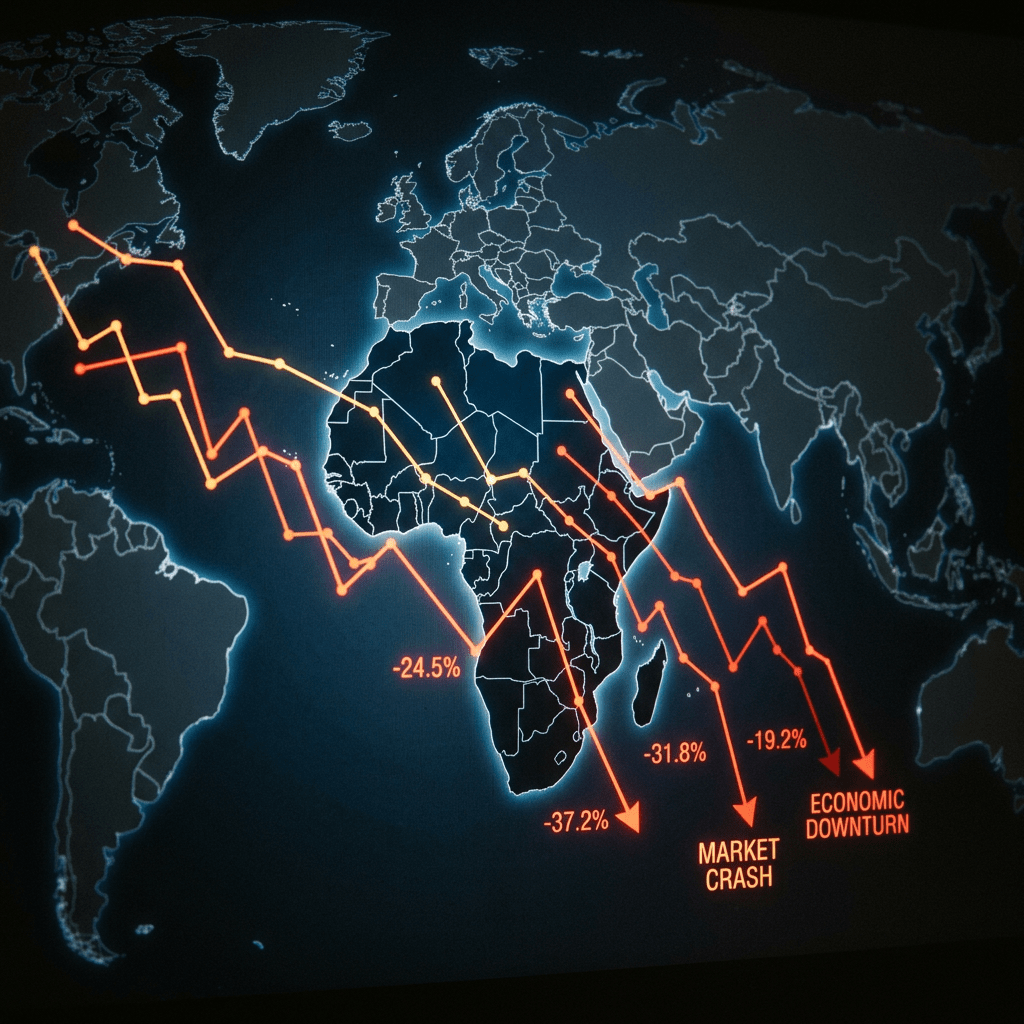
Kenya, long seen as East Africa’s innovation hub, is experiencing a sharp cooling in startup funding. Deals are taking longer to close. Valuations are being cut. Some companies are quietly downsizing to survive.
But the shift is not unique to Kenya. It reflects a broader recalibration in global venture capital, one that is hitting frontier markets first.
Over the past decade, low interest rates and abundant liquidity pushed investors to seek higher returns in emerging ecosystems. Africa, with its young population and rapid digital adoption, became a compelling frontier.
That era is ending.
Rising interest rates in the US and Europe have forced venture funds to reassess risk. Capital is no longer cheap, and investors are under pressure to show returns rather than promise growth.
“In 2021, it was about expansion at all costs,” says a Nairobi-based venture partner. “Now it’s about survival, margins, and discipline.”
The result is a visible pullback. Early-stage startups, once the main beneficiaries of foreign capital, are finding it hardest to raise funds. International investors are concentrating on fewer deals, often favoring later-stage companies with clearer revenue paths.
Local investors, meanwhile, lack the scale to fully replace that capital.
For founders, the implications are immediate. Hiring plans are being cut. Regional expansion is slowing. Business models are being reworked to prioritize profitability.
Some see this as a necessary correction.
“There was too much easy money,” says one investor. “Now companies have to prove they’re real businesses.”
Yet the adjustment also raises deeper questions about Africa’s place in the global venture landscape. If capital becomes more selective, frontier markets risk being deprioritized altogether.
Kenya’s experience may be an early signal of that shift.
There are signs that the flow of capital is not disappearing but being redirected. Gulf-based investors, particularly in the UAE, are increasing their presence in African deals, often with a different risk appetite and longer-term outlook.
At the same time, development finance institutions are stepping in to fill gaps left by private capital.
Still, the overall environment is tighter, and founders are adjusting accordingly.
Back in Nakuru, the fintech founder is reworking his strategy. Expansion plans have been paused. Costs are under scrutiny. The focus is now on sustainability rather than scale.
“We’re building for a different market,” he says. “One where capital has a memory.”
For global investors, Kenya’s slowdown offers a preview of what happens when the era of easy money ends.
For the startups themselves, it marks a transition from hype to something more durable and more uncertain.




 Sure Media Magazine
Leave a comment