
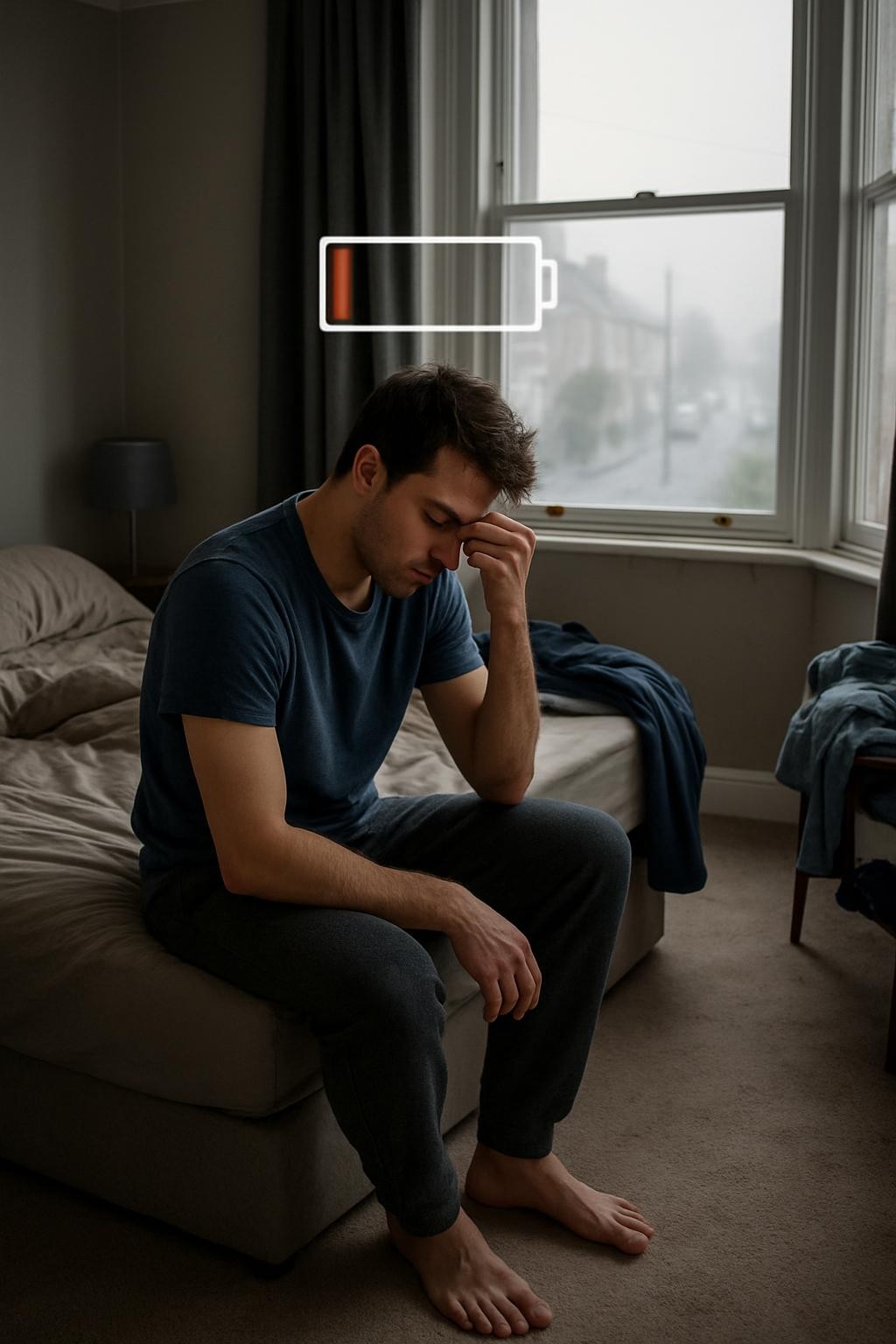
Daniel was 26 and, by all outward appearances, doing fine. He had a job, a phone with way too many notifications and the kind of weekend plans that sounded healthier than they actually were. Brunch. “A quick gym session.” Maybe a walk if the weather behaved.
But behind the highlight reel, Daniel had a problem that many young men know too well and rarely talk about. He felt tired all the time.
Not sleepy in a “I stayed up watching one more episode” way. Not tired in a “I ran five miles” way. This was the deeper kind of exhaustion. The kind that makes you wake up groggy, hit snooze three times and still feel like you have not truly started the day. By 11 a.m., he was already thinking about lunch. By 3 p.m., he was bargaining with the universe for five more minutes of energy.
At first, he brushed it off. He told himself he was just busy. Then he blamed stress. Then the weather. Then his chair. Honestly, he considered blaming the moon if he had to.
The truth was much less dramatic and much more common.
A lot of young men run their bodies like badly managed startup projects. Breakfast gets skipped because there is no time. Water gets ignored because coffee is faster. Exercise becomes something “I’ll get back to next week.” Sleep gets treated like a bonus feature instead of a basic need. Then they act shocked when their energy levels start waving a white flag.
Daniel was guilty of all of it. He lived on coffee, delivery food, long hours at his desk and a deeply optimistic idea that he would somehow feel better “soon.” He also had the classic modern habit of staring at screens late into the night, which is a polite way of saying his phone was robbing him of sleep while pretending to be a friend.
Then came the usual suspects: headaches, brain fog, low mood and that weird heavy feeling in his body that made even simple things feel annoying. Replying to emails felt like a task. Going for a walk felt like a negotiation. Even getting out of bed began to feel like assembling furniture without instructions.

He finally decided to do something about it after one especially miserable Tuesday. He had two coffees before noon, forgot to eat lunch until 4 p.m. and then realized he was exhausted and weirdly irritable for no clear reason. In short, he had become a walking energy crisis.
The fix was not magical and that was the point.
He started with water. Nothing fancy. Just more of it.
He stopped skipping breakfast every single day and began eating something with actual substance, not just caffeine and hope. Eggs. Oats. Yogurt. The kind of meals that do not sound exciting on social media but do a quiet, solid job in real life.
He added a short walk after work. Ten or fifteen minutes at first. Nothing heroic. No performance art. Just movement.
He also made one annoying but effective change, he put his phone down earlier at night. That one hurt, naturally. But after a week or two, he noticed he was falling asleep easier and waking up less wrecked.
He did not become a wellness influencer. He did not start drinking green sludge out of a mason jar while smiling at sunrise. He just began treating his body like it was part of his life, not an inconvenient side character.
And slowly, things shifted.
His afternoons felt less brutal. His focus improved. He stopped crashing so hard by evening. He even started working out again, though he still complained about it like any normal person with knees.
What Daniel learned is something a lot of young men need to hear: feeling off does not always mean something dramatic is wrong. Sometimes it is the result of small habits stacking up until your body starts sending emails, and yes, they are all marked urgent.
Low energy, poor sleep, dehydration, stress and too much screen time are common problems. They do not make someone weak. They make someone human. The good news is that human problems often respond to human solutions. More rest. Better food. Less scrolling. A little movement. A bit of routine.
No miracle required.
If your own energy has been disappearing before lunch, it may be time to stop blaming your chair, your horoscope or the universe and start looking at the basics. Your body might not be broken. It might just be tired of being ignored.



 Sure Media Magazine
Leave a comment