
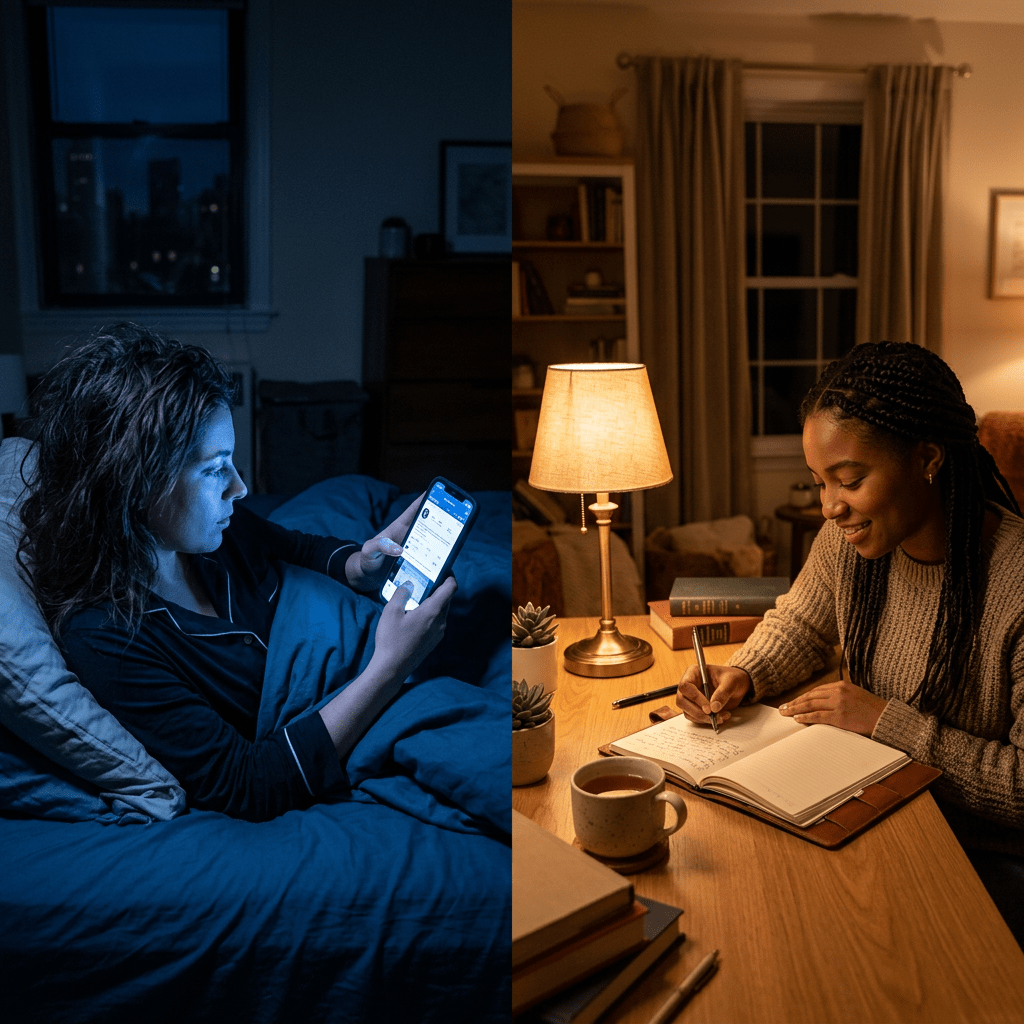
Introduction: From Screen Fatigue to Tactile Revival
In an era defined by constant connectivity, a counter-movement is gaining momentum—one that privileges texture over touchscreens and permanence over pixels. Junk journaling, a creative practice rooted in repurposing everyday materials, has emerged alongside a broader cultural shift toward analogue nostalgia. Together, these trends reflect a growing desire for slower, more intentional forms of expression and memory-making.
Recent studies indicate that the average adult spends over 6–7 hours daily on screens, contributing to what psychologists describe as “digital fatigue.” This saturation has prompted many to seek offline alternatives that restore focus and emotional balance.
Defining Junk Journaling
Junk journaling is a mixed-media practice that involves assembling found and recycled materials—such as receipts, envelopes, photographs, and handwritten notes—into personalized journals. Unlike traditional writing-based journals, junk journaling emphasizes visual storytelling, layering, and texture.
According to Johanna Clough, a well-known journaling creator:
“Junk journaling isn’t about perfection—it’s about preserving moments in a way that feels real and personal. Every scrap tells a story.”
Her work, followed by thousands online, illustrates how ordinary objects can be transformed into meaningful artifacts.
Understanding Analog Nostalgia
Analog nostalgia refers to the renewed appreciation for pre-digital tools and experiences—ranging from handwritten letters to film photography and printed books. While often romanticized, this return to analog is grounded in measurable psychological benefits.
A 2023 study in behavioral science found that hands-on creative activities can reduce stress levels by up to 45%, particularly when they involve repetitive, tactile engagement. These findings help explain why practices like journaling, crafting, and scrapbooking are resurging.
The Intersection of Creativity and Memory
Junk journaling sits at the intersection of creativity and memory preservation, offering a richer alternative to digital archiving. While smartphones allow for instant documentation, they often lack emotional depth and sensory engagement.
A notable example is the case of community journaling workshops in urban creative spaces, where participants are encouraged to document daily life using physical materials. Many report stronger emotional connections to their memories compared to digital journaling apps.
One participant described the experience:
“When I paste something into my journal, I remember where it came from, how I felt—it’s not just a file. It’s a moment.”
Why These Practices Are Resurging
The growth of junk journaling and analog nostalgia is not incidental; it reflects broader societal shifts:
. Digital Saturation: Continuous online engagement has led to increased demand for offline activities.
. Mental Health Awareness: Creative, tactile practices are being integrated into wellness routines.
. Sustainability Trends: Repurposing materials aligns with environmentally conscious behaviours.
. Desire for Authenticity: Physical creations feel more personal than algorithm-curated digital content.
Platforms like TikTok and Instagram have paradoxically amplified this trend, with millions of users sharing journaling processes and inspiring global communities.
Case Study: The Digital-to-Analog Shift
A growing number of young professionals are intentionally reducing screen time by adopting analog hobbies. In one informal survey conducted within creative communities, over 60% of respondents reported replacing at least one digital habit with a physical activity, such as journaling or sketching.
Small businesses have also responded to this demand. Independent stationery brands report increased sales in notebooks, vintage paper bundles, and crafting supplies—suggesting that analog practices are not only culturally relevant but economically impactful.
Practical Entry Point: How to Begin
Junk journaling remains one of the most accessible creative practices:
Collect Materials: Everyday items—receipts, packaging, old letters—serve as foundational elements.
Choose a Theme: Focus on travel, daily reflections, or personal milestones.
Experiment Freely: Combine textures, handwriting, and imagery without rigid rules.
Prioritize Process: The act of creation is as valuable as the finished journal.
Conclusion: A Cultural Shift Toward Intentional Living
Junk journaling and analogue nostalgia are more than aesthetic trends; they are responses to the psychological and cultural pressures of digital life. By embracing tactile creativity and repurposed materials, individuals are reclaiming agency over how they document and experience their lives.
As the digital landscape continues to evolve, the enduring appeal of physical, handmade artefacts suggests that the future of creativity may lie not in abandoning technology—but in balancing it with meaningful, analogue experiences.


 Sure Media Magazine
Leave a comment