
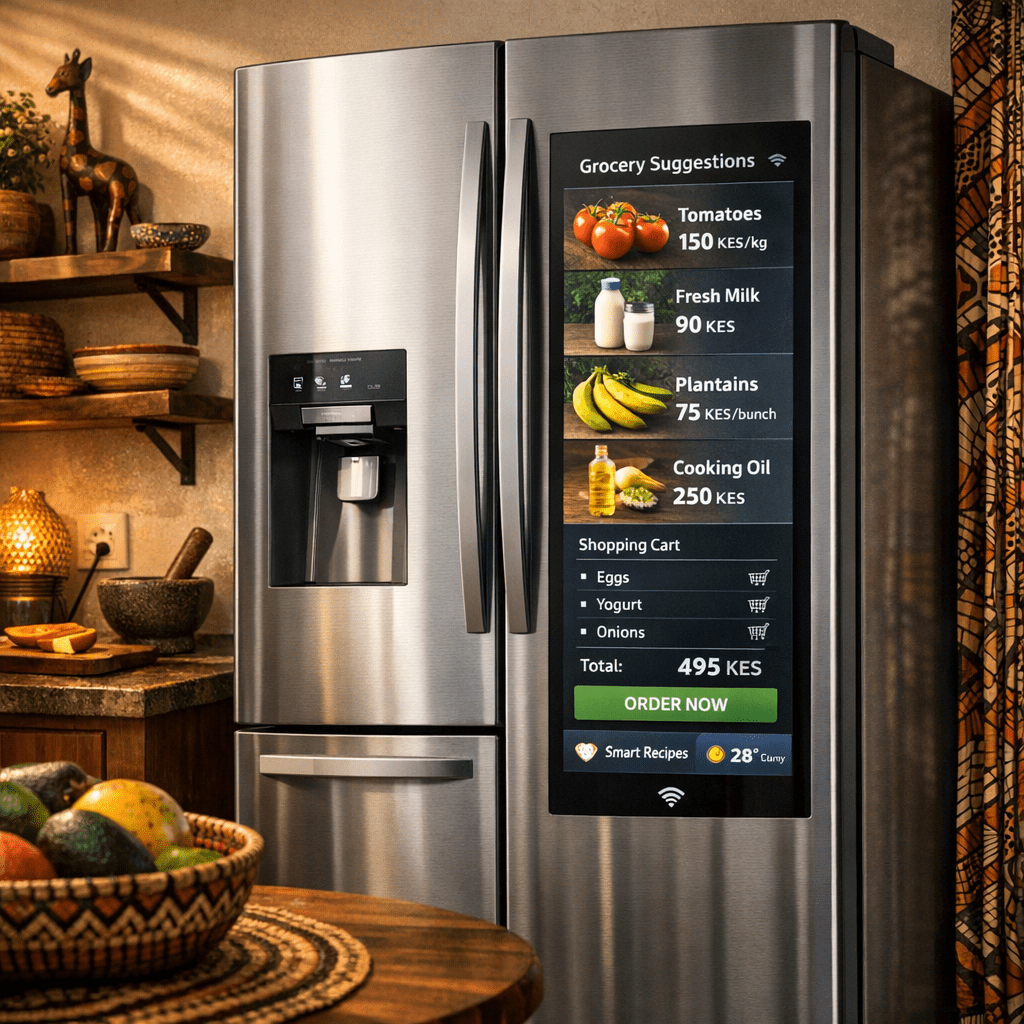
Just imagine waking up to a refrigerator that not only reminds you that you are out of milk but also knows which local store sells your brand of milk at the cheapest price and automatically puts it into your online shopping cart. Sounds like science fiction? Maybe in some parts of the world, but in Africa, this reality is slowly taking shape.
1. The Rise of Smart Home Devices Africa’s Twist
While smart home appliances that “learn” to predict users’ behavior to anticipate their needs are slowly becoming the new normal in North America, the history of smart home appliances in Africa is quite different. Urbanization, increased demand for middle-class commodities, and the expansion of internet connectivity have been quietly leading to a smart home revolution in Africa.
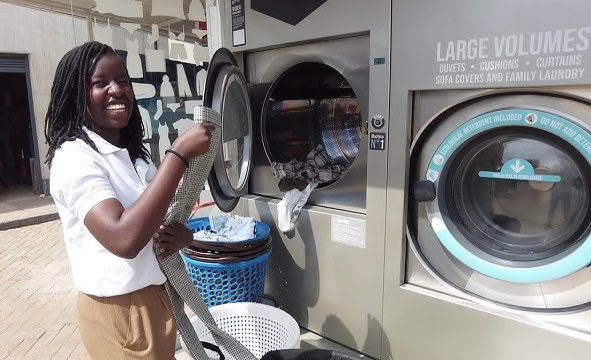
- Established brands such as Hisense and LG have begun to roll out smart refrigerators and washing machines with basic IoT capabilities in major cities across Africa. (LG Africa Smart Appliances)
- African start-ups are building on these technologies to create unique applications that include mobile money and WhatsApp integrations to create a culturally appropriate user interface. But the next big jump will be when these smart home appliances do not only connect but also predict users’ behavior to anticipate their needs.
2. Machine Learning Meets the African Kitchen
Consider the refrigerator in a Kenyan family learning that the rate of milk depletion is higher when schools are in session, or a Ghanaian fridge learning to synchronize freeze cycles according to the patterns of erratic power supply. This is what predictive algorithms could do with small but rich data sets created from domestic behavior.
The early research of African data scientist Timnit Gebru on the fairness of algorithms in machine learning serves as a reminder that this has to be done with care, as models need to work with data that is relevant to the local context and not imposed from outside markets. This means that a refrigerator in Accra should not make its “shopping predictions” based on American breakfast patterns. (BBC – Algorithmic Bias Commentary)

3. Infrastructure Realities: Connectivity and Power
Stable internet connectivity and electric supply are the prerequisites for the functioning of predictive devices, which are still unevenly distributed on the continent.
- Around 48% of the sub-Saharan region still lacks reliable electric supply, as stated by the World Bank.
- Mobile internet, on the contrary, is growing exponentially, with smartphone penetration expected to reach 70%+ by 2030 in Africa. This, in turn, suggests that the smart home in Africa might be smartphone-centric rather than appliance-centric. In fact, startups are working on developing bridges between the Internet of Things and devices that are not “smart” using plug-in modules.
4. Data, Privacy, and the Trust Barrier
A fridge that is aware of the consumer’s dietary habits may be convenient but also border on the creepy. Data privacy laws such as the Data Protection Act of Nigeria and the Data Protection Act of Kenya (2019) will be vital in determining the extent to which these smart appliances will be able to collect and store data.
(Kenya Data Commissioner Site)
African consumers are evolving to be more data-savvy. The aim is not only for the service to be smart but also for the intelligence to be respectful and not intrusive into the consumer’s personal life. Trust will be the differentiator.
5. Local Innovation: The Startups Building Africa’s Predictive Future
Africa’s innovation ecosystem is already working towards laying the groundwork for predictive domestic tech.
- The African data science community, Zindi, runs competitions to develop machine learning solutions for pressing issues, from energy cost optimization to cold chain logistics, which are relevant to “smart home” tech.
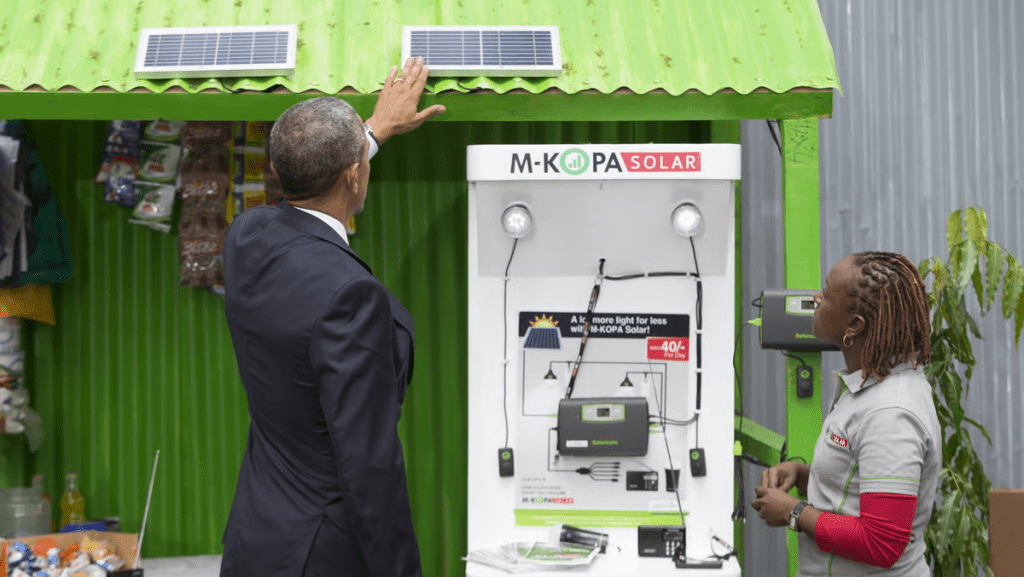
- m-KOPA, a pay-as-you-go solar home appliance company, offers affordable connectivity options, which are necessary precursors to predictive tech. These are “appropriate innovations,” focused on affordability, efficiency, and functionality, not luxury
6. Looking Ahead: Fridges That Empower, Not Impress
Africa’s predictive devices will not replicate the West’s luxury format but will likely evolve towards efficiency, cost-effectiveness, and community service, such as a fridge that offers advice on food waste reduction or shares excess stock with a community network.
In the end, the smart home revolution in Africa might not be about making things more convenient but more resilient, helping people adapt to the limitations of energy, income, and infrastructure.
In this new smart home revolution, your fridge might not only know when to restock your yogurt but might actually help power the village.





 Sure Media Magazine
Leave a comment