
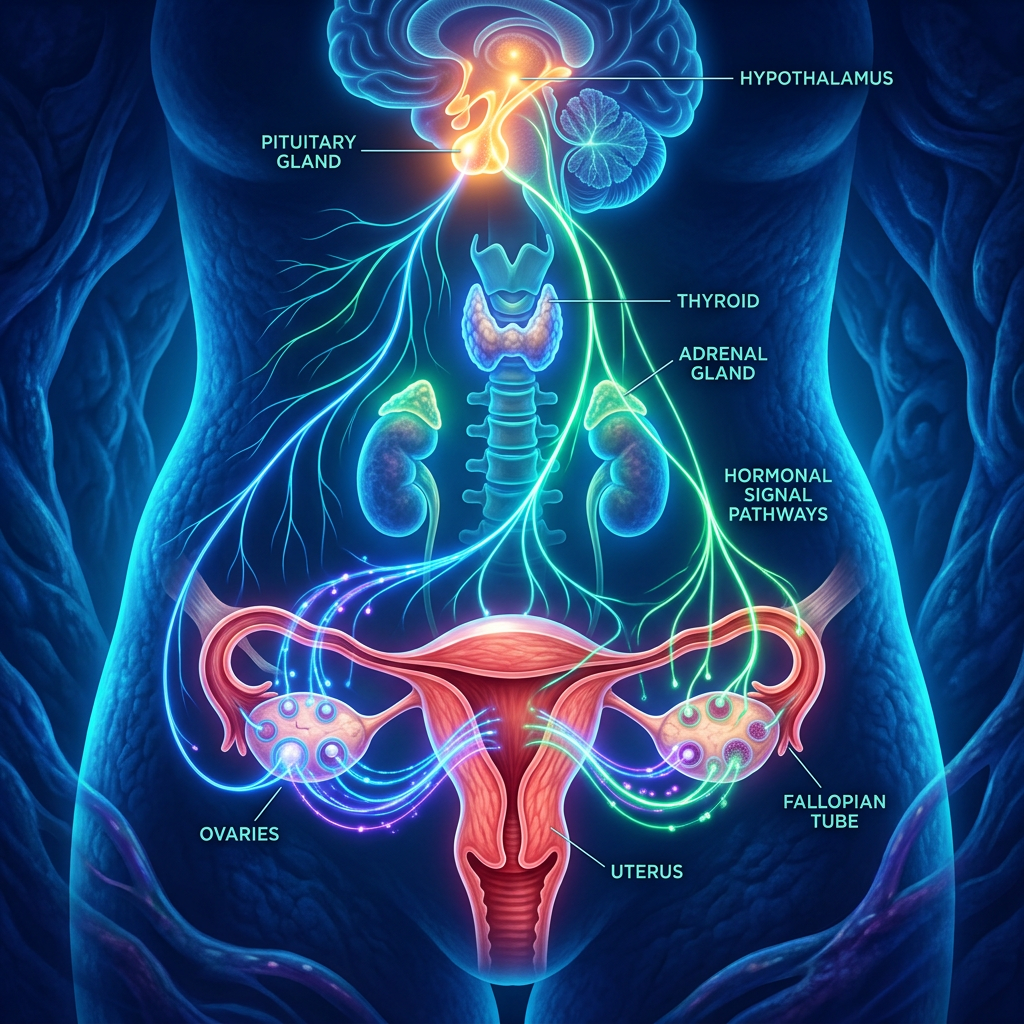
For many years, Polycystic Ovary Syndrome (PCOS) has been one of the most common yet misunderstood conditions in women’s health. 1 in 8 women of reproductive age, which is approximately more than 170 million women globally, are affected by this condition. Regardless of the numbers, for so many years, a good number of women had lived with PCOS for years before getting a clear diagnosis, often because the old name only told part of the story.
On May 12, 2026, that story changed. A major international consensus published in The Lancet formally recommended renaming the condition Polyendocrine Metabolic Ovarian Syndrome (PMOS). The decision to change the name was not a hasty one; rather, it was a 14-year conclusion involving 22,000 patients, healthcare professionals, and 56 different organisations.
The new name better reflects the current science and serves the needs of the people affected with a much deeper understanding of the condition. It is an attempt to describe the condition more accurately, improving how it is diagnosed, managed, and even studied.
What PMOS Really Is
PMOS is a complex, whole-body disorder that involves multiple hormonal systems and metabolic pathways. A diagnosis in adults typically requires at least two of the following three features:
- Irregular or absent ovulation, usually seen as missed periods, infrequency, or unpredictability.
- Elevated androgen levels, a male-type hormone, with symptoms such as increased body/facial hair (hirsutism), acne, or even hair thinning on the scalp.
- An increased number of small follicles in the ovaries, visible on ultrasound.
Those small fluid-filled structures are not true ovarian cysts. They are immature follicles, or ‘eggs’, that started developing but didn’t fully mature and ovulate. Many women with PMOS don’t have them at all, while some women without PMOS do. This is why the old name often created confusion.
At the centre of PMOS for many women is insulin resistance, which can be present even if they are not obese. This drives higher androgen production from the ovaries and adrenal glands, triggering a cascade that affects menstrual cycles, fertility, skin, hair, weight regulation, and long-term health. Low-grade inflammation and other hormonal signals add to the complexity.
Why the Old Name No Longer Fit
The term “polycystic ovary syndrome” originated decades ago when early ultrasound images showed enlarged ovaries dotted with many small follicles. The name stuck, but science moved on. Over time, it became clear the name was biologically inaccurate. By putting so much emphasis on ovarian “cysts”, it anchored medical thinking and patient understanding to gynaecological issues alone.
This narrow focus contributed to the delay in diagnoses, mismanagement, and patient frustration. Some women with clear symptoms but normal-looking ovaries were sometimes dismissed or diagnosed late. The name quietly steered conversations toward periods, fertility, and cosmetic issues, while the broader metabolic and long-term health aspects often received less attention than they deserved.
The Broader Health Picture
We now understand PMOS as a multisystem condition. In addition to reproductive challenges, it is associated with higher lifetime risks of type 2 diabetes, abnormal cholesterol levels, high blood pressure, fatty liver disease, and cardiovascular issues. Many women also experience higher rates of anxiety and depression and lower quality of life.
These links come from observational studies and are generally consistent, but they vary a great deal from person to person. Genetics, ethnicity, body composition, lifestyle, and environment all play important roles. Not every woman with PMOS will face serious metabolic complications, which is exactly why individualised care and early prevention matter so much.
The new name, Polyendocrine Metabolic Ovarian Syndrome, was chosen through careful, rigorous consensus methods (including surveys, Delphi rounds, and international workshops). It was designed to better reflect reality:
- Polyendocrine: recognises the involvement of multiple hormonal systems.
- Metabolic: puts a spotlight on insulin resistance and cardiometabolic health.
- Ovarian: keeps the important connection to reproductive function without letting it overshadow everything else.
Management: What Stays the Same and What May Improve
The rename doesn’t affect current diagnosis or treatment. Established international guidelines still guide care. Lifestyle changes remain the cornerstone, and the evidence is strong. Sustainable improvements in nutrition, regular physical activity, better sleep, and stress management can meaningfully improve insulin sensitivity, help regulate cycles, and support overall wellbeing.
In terms of treatment, medications are tailored to each woman’s goals when needed. Some of these medications include, but are not limited to:
- Hormonal contraceptives, to regulate periods and reduce androgen-related symptoms.
- Metformin, to support metabolic health.
- Agents like letrozole, for those trying to conceive.
Basically, what’s changing with PMOS is the overall approach. Clinicians are now encouraged to screen earlier and more comprehensively for metabolic issues, blood sugar, lipids, blood pressure, and cardiovascular risk right at diagnosis. Care is expected to become more coordinated and proactive, with better collaboration across specialities.
Additionally, mental health support is now seen as a core part of care, not an afterthought.
In the meantime, a three-year transition period is recommended. During this time, both names may be used, with full adoption planned for the 2028 guideline update.
What This Means for You
For millions of women, the new name can feel like validation. It says, “This isn’t just about cysts or irregular periods; your experience is real, and it affects your whole body.” It creates space for fuller conversations with healthcare practitioners about metabolism, mental health, long-term wellbeing, and prevention.
From a public health view, a more accurate name should help shorten diagnostic delays, improve research, and guide better policies for this very common condition.
If you’re dealing with persistent irregular cycles, signs of excess androgens, difficulty conceiving, or other worrying symptoms, trust your instincts and seek care from a clinician who understands the full spectrum of PMOS. Early, thoughtful support can make a real difference in how you feel day-to-day and in your future health.
In conclusion,
Medical names matter. They have an impact on how medical professionals think, how researchers investigate conditions, how patients view themselves, and how seriously society views them. The transition from PCOS to PMOS represents science catching up with what we have learnt. The biology remains unchanged, but our understanding and approach to it has become clearer, broader, and more honest.
This is quite a significant step forward. By looking beyond the ovaries, we can finally see and care for the whole person.




 Sure Media Magazine
Leave a comment