
Introduction
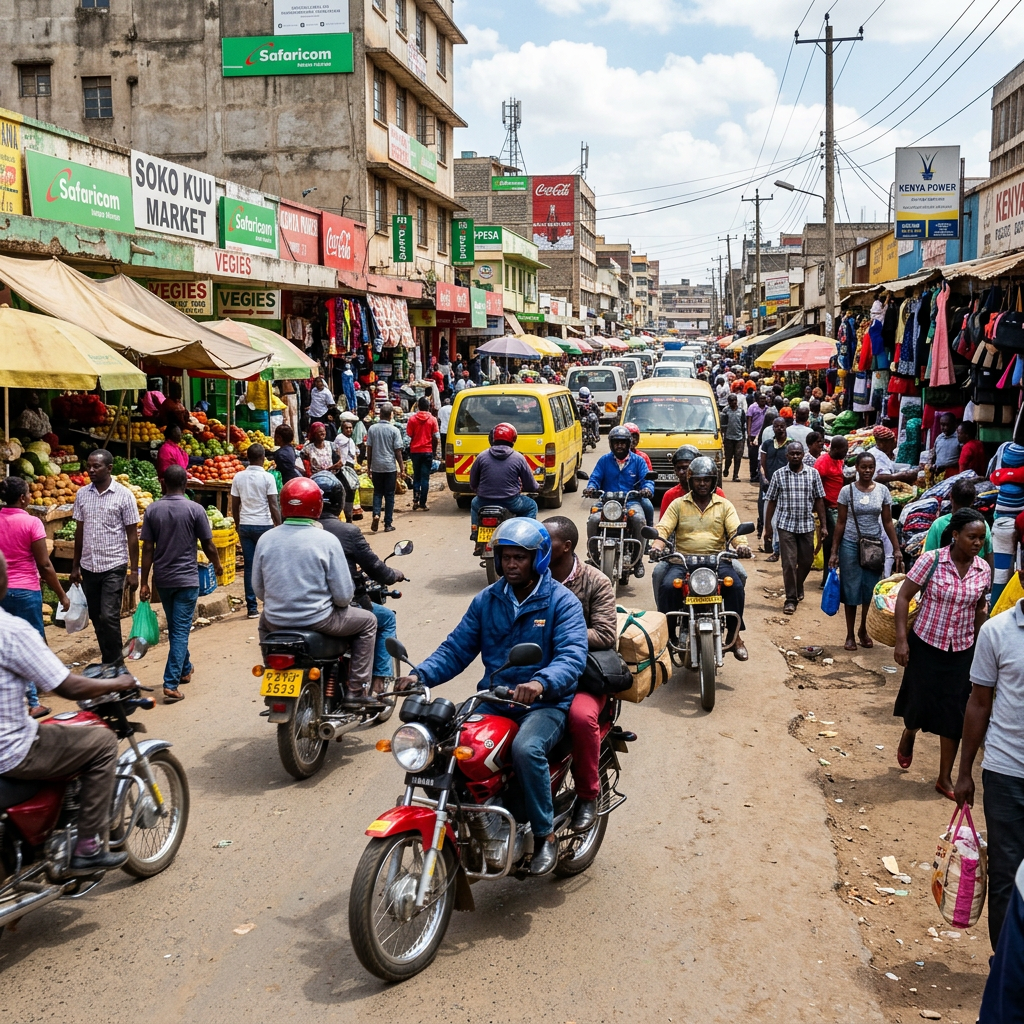
Livelihood in Kenya is more than simply earning an income — it represents survival, resilience, and the ability to adapt in a constantly changing economy. Across the country, millions of Kenyans depend on farming, small businesses, transport services, hospitality, technology, and informal employment to sustain their families and improve their quality of life.
Kenya has one of the youngest populations in Africa, and this has created both opportunities and challenges. While the youth bring innovation and energy into the economy, unemployment levels remain high, forcing many people to create their own opportunities through entrepreneurship and informal work.
The country’s economy is driven heavily by agriculture, trade, tourism, and the informal sector. Despite economic hardships such as inflation, unemployment, climate change, and rising living costs, Kenyans continue to demonstrate determination and creativity in building sustainable livelihoods.
Understanding Livelihood in Kenya
A livelihood refers to the activities and resources people use to meet their daily needs such as food, shelter, healthcare, education, and clothing. In Kenya, livelihoods vary depending on factors such as location, education, access to resources, and economic conditions.
Most rural communities depend on farming and livestock keeping, while urban populations rely more on businesses, transportation, construction, hospitality, and digital work.
The Kenyan economy is divided into two major sectors:
1. Formal Sector
This includes officially recognized jobs regulated by the government, such as:
- Teaching
- Banking
- Healthcare
- Government employment
- Corporate jobs
2. Informal Sector (Jua Kali)
The informal sector is one of the largest employers in Kenya and includes:
- Street vendors
- Mechanics
- Food sellers
- Boda boda riders
- Tailors
- Carpenters
- Salon operators
According to the Kenya National Bureau of Statistics (KNBS), the informal sector contributes significantly to employment creation in the country.


7
Agriculture as the Backbone of Kenya’s Livelihood
Agriculture remains one of the most important sectors in Kenya’s economy. Millions of households rely on farming activities for both food and income.
The main agricultural activities include:
- Maize farming
- Tea farming
- Coffee farming
- Dairy farming
- Poultry farming
- Horticulture
- Livestock keeping
According to the Food and Agriculture Organization (FAO) Kenya, agriculture contributes greatly to employment and food security in Kenya.
Tea and coffee are among Kenya’s leading exports and generate foreign exchange for the country. Small-scale farming also plays a major role in sustaining rural communities.
Challenges Facing Farmers
Despite its importance, agriculture faces several challenges:
- Climate change and drought
- High fertilizer prices
- Poor infrastructure
- Limited market access
- Low profits for farmers
- Unpredictable weather patterns
Climate change has especially affected pastoral communities in arid and semi-arid regions where prolonged droughts cause livestock losses and food shortages.
The World Bank Kenya Overview highlights how climate-related challenges continue to affect rural livelihoods and economic stability.


7
Urban Livelihoods and the Hustle Economy
Urban centers such as Nairobi, Mombasa, and Kisumu attract thousands of people searching for employment and better living conditions.
However, due to limited formal employment opportunities, many urban residents survive through small businesses and casual jobs.
Common urban livelihoods include:
- Boda boda transport
- Food vending
- Construction work
- Beauty and salon businesses
- Online freelancing
- Retail trade
- Hospitality jobs
The rise of “hustle culture” in Kenya reflects how people combine multiple income-generating activities to survive.
The Growth of the Digital Economy
Technology has opened new economic opportunities for Kenyan youth. Many young people now work as:
- Freelance writers
- Graphic designers
- Content creators
- Social media managers
- Web developers
- Online marketers
Digital payment systems such as Safaricom’s M-Pesa have transformed business operations by making transactions easier and faster.
The official Safaricom M-Pesa Platform explains how mobile money services support businesses and financial inclusion in Kenya.


5
Youth Unemployment in Kenya
Youth unemployment remains one of the biggest challenges affecting livelihoods in Kenya today. Thousands of graduates enter the job market every year, but only a small percentage secure formal employment.
Many young people face:
- Limited job opportunities
- Lack of work experience
- Low wages
- Financial instability
- Underemployment
This situation has pushed many youths toward entrepreneurship and self-employment.
According to the United Nations Development Programme (UNDP) Kenya, youth empowerment and job creation remain essential for Kenya’s economic growth and stability.
Some young people have embraced digital entrepreneurship through YouTube, TikTok, online writing, and e-commerce businesses.
Women and Livelihood in Kenya
Women play a significant role in Kenya’s economy and household welfare. Many women engage in:
- Farming
- Market trading
- Hospitality work
- Tailoring
- Hair and beauty businesses
- Food vending
Women also participate in “chamas” — community savings groups that help members access financial support for businesses and family needs.
However, women still face challenges such as:
- Gender inequality
- Limited access to loans
- Cultural barriers
- Limited land ownership rights
Organizations such as UN Women Kenya continue to advocate for women’s economic empowerment and gender equality.
Tourism and Hospitality as Sources of Livelihood
Tourism is another important contributor to Kenya’s economy. The country is internationally recognized for its wildlife, beaches, and cultural heritage.
Tourism supports livelihoods through:
- Hotels and restaurants
- Tour companies
- Transport services
- Curio and handicraft businesses
- Event management
- Entertainment industries
Popular tourist destinations include:
- Maasai Mara National Reserve
- Diani Beach
- Amboseli National Park
The Kenya Tourism Board provides information on how tourism contributes to Kenya’s economy and employment opportunities.


7
The Rising Cost of Living
One of the major issues affecting livelihoods in Kenya today is the increasing cost of living. Prices of food, fuel, electricity, transportation, and rent have continued to rise.
Low-income households are especially affected because their earnings often remain unchanged while expenses increase.
Many families cope by:
- Starting side businesses
- Reducing household spending
- Working multiple jobs
- Relocating to cheaper areas
Economic pressures have increased financial stress among many households across the country.
Education and Skills Development
Education remains one of the most important tools for improving livelihoods in Kenya. Families invest heavily in education hoping it will provide better opportunities for future generations.
However, there is a growing concern that some graduates lack practical job skills required in the labor market.
As a result, technical and vocational education programs are becoming increasingly important in areas such as:
- ICT and digital skills
- Hospitality
- Electrical installation
- Plumbing
- Fashion and design
- Mechanics
The Technical and Vocational Education and Training Authority (TVETA) promotes technical skills development to help young people become self-employed and employable.
Conclusion
Livelihood in Kenya reflects the resilience, creativity, and determination of its people. Despite facing unemployment, climate change, poverty, and rising living costs, millions of Kenyans continue to adapt and innovate in search of better lives.
Agriculture, entrepreneurship, technology, tourism, and the informal sector remain key pillars supporting livelihoods across the country. Young people are increasingly using digital platforms and innovation to create employment opportunities for themselves and others.
Although many challenges still exist, Kenya’s entrepreneurial spirit and hardworking population provide hope for economic growth and a more sustainable future.
Ultimately, the story of livelihood in Kenya is a story of survival, ambition, and perseverance — a daily journey of people striving to build brighter futures for themselves, their families, and future generations.




 Sure Media Magazine
Leave a comment