
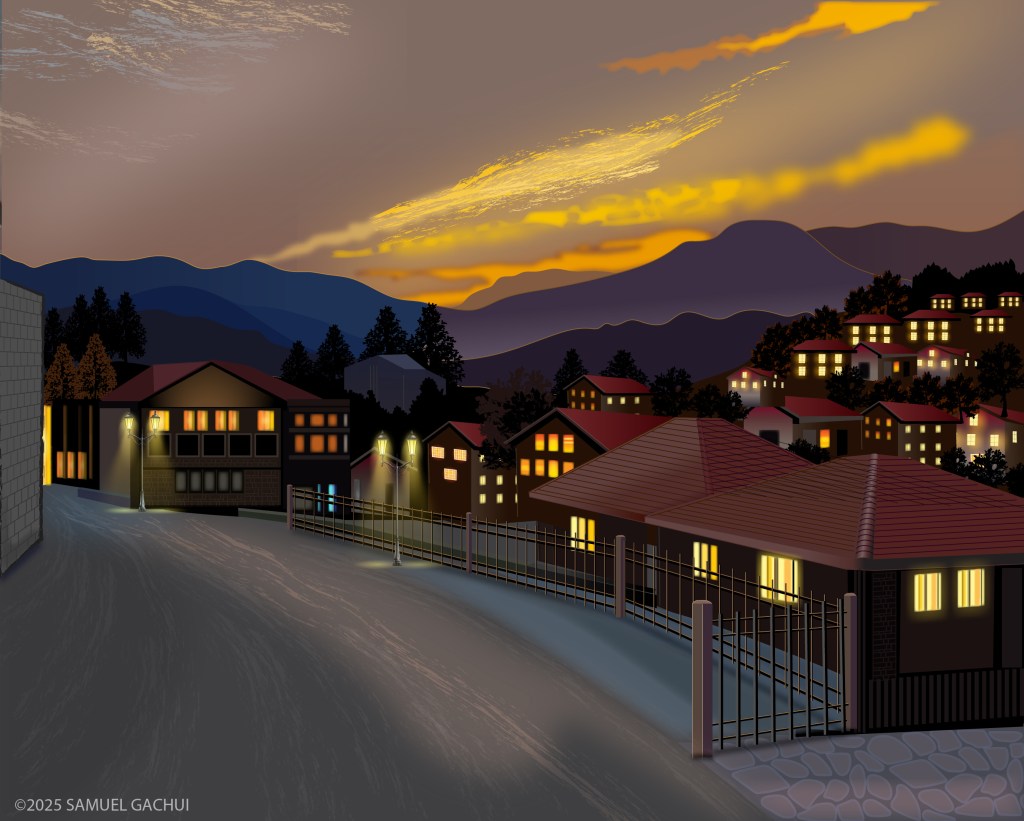
An Unplanned Journey Inland
The ferry was already pulling away when I reached the dock at Piraeus.
I stood with my ticket dangling from my sweaty hand. I watched the ferry’s ramp lift slowly and deliberately, leaving behind a glistening, restless wake.
Around me, port workers shouted directions in Greek. Loud engines roared, shaking the salty sea air. A man beside me swore softly into his phone. Somewhere behind us, another ferry was boarding, another chance for someone else to get it right.
I had planned this carefully: I was supposed to be in Mykonos later in the day, and Santorini the following day. I had armed myself with screenshots and saved pins. Greece, I’d been told, rewarded preparation—especially in summer.
The ferry sneered at my plans. As it disappeared into the haze, something odd crept in behind the frustration: relief. My plans were suddenly irrelevant. I now had to brace for an evening I had not rehearsed.
The Greece You Don’t See on Instagram
I arrived in Greece with a phone stuffed with photos of places I intended to explore. Dreamy Greece, with white staircases cascading down cliffs. Perfect golden light on blue waves and cafés timed precisely between ferry arrivals. The iconic islands definitely topped the list.
I wiped the thin filament of sweat from my brow, grabbed my backpack and got moving.
Somewhere inland, in the Peloponnese I boarded a bus I thought would take me through Tripoli and onward. I settled on a comfortable seat somewhere near the door and let my mind calm down as the bus wound into the mountains of Arcadia, climbing steadily through dense fir trees that filled the air with a crisp, piney scent.
I let the cooling atmosphere carry me as the road narrowed, and the world grew quieter, save for the deep hum of the engine. I took my phone out of the pocket only to see it had lost signal. Raising my chin, I glanced at the road ahead as the driver shifted gear and accelerated up the lane. A few minutes later, he brought the bus to a halt by at what looked like an entrance into a mountainside village. The only other passenger alighted as the driver turned his head and nodded silently at me.
That was it.
So I stepped out of the bus and stared at the sign by the road.
Dimitsana announced itself in stone.
I turned to survey my surroundings: the village clung to a steep gorge; its houses stacked tightly together as if huddling against the chill mountain wind. As I paused to button up my shirt, the bus pulled away, leaving behind a puff of diesel exhaust that mingled with the earthy aroma of nearby olive groves. Silence settled in. Again, I checked my phone out of habit. Still no service.
Somewhere above me, a woman called out to her dog, and a door slammed shut.
I wandered uphill for a few minutes, crossed the road when I saw a sign proclaiming “café”, and entered a dimly lit room where three men seated around a small table, their coffee cups untouched amid long, comfortable pauses. They looked up as I entered, not with suspicion, but genuine curiosity. I pulled a chair, placed my backpack on it and ordered coffee using gestures. They served me the bitter, thick Greek brew that surprisingly revived the lost confidence in me.
One of them—a short, thickset man with a receding hairline—took out his glasses, rubbed his eyes and in heavily accented English, asked where I was going.
I hesitated for a moment. My original plan had been about having a neat, well-structured trip. A strange thought crossed my mind: why not take advantage of this moment to experience the unplanned?
“Stemnitsa,” I said, with a small sheepish smile.
The man laughed and put his glasses back on. His face looked kind with an air of honesty about it.
“The bus won’t come again until tomorrow”, he explained.
I sighed. Welcome to mountainous Greece. Unbound by clocks or apps. What could go wrong, right?
“Maybe later”, he added. Time, he explained with a shrug, behaved differently in these mountains.
Lunch appeared after a few moments: hearty beans simmered in olive oil, crusty bread still warm from the oven, and a slow-cooked lamb dish fragrant with rosemary and garlic. The flavors warmed my spirit, simple yet profound. The afternoon stretched lazily, and eventually I relaxed. The café conducted business as usual: people came in and went out but I continued sitting. Nobody asked where I was staying. Nobody seemed concerned that I didn’t know either.
I was about to check out and look for some guest house when one of the men I had found in the café came in accompanied by a younger man. He informed me that the young man was headed for Stemnista, and was offering me a lift if I didn’t want to wait for the bus ‘tomorrow’. I felt a sudden rush of relief as I thanked the gentlemen and followed them into the quiet breezy street, hauled my backpack onto the front seat of a cream-colored weathered truck.
The road to Stemnitsa snaked through pine forests and sudden drops. Distant blue-toned hills populated with wild bushes and rough rocky cliffs. An occasional rock partridge scurrying into the undergrowth.
We arrived at dusk, the fading light casting long shadows over the old stone paths. The village was quieter than Dimitsana; a breathtaking view of grey and red stretching across hilly cliffs. The buildings seemed to darken into shades of blue-gray as night gradually enveloped the mountains.
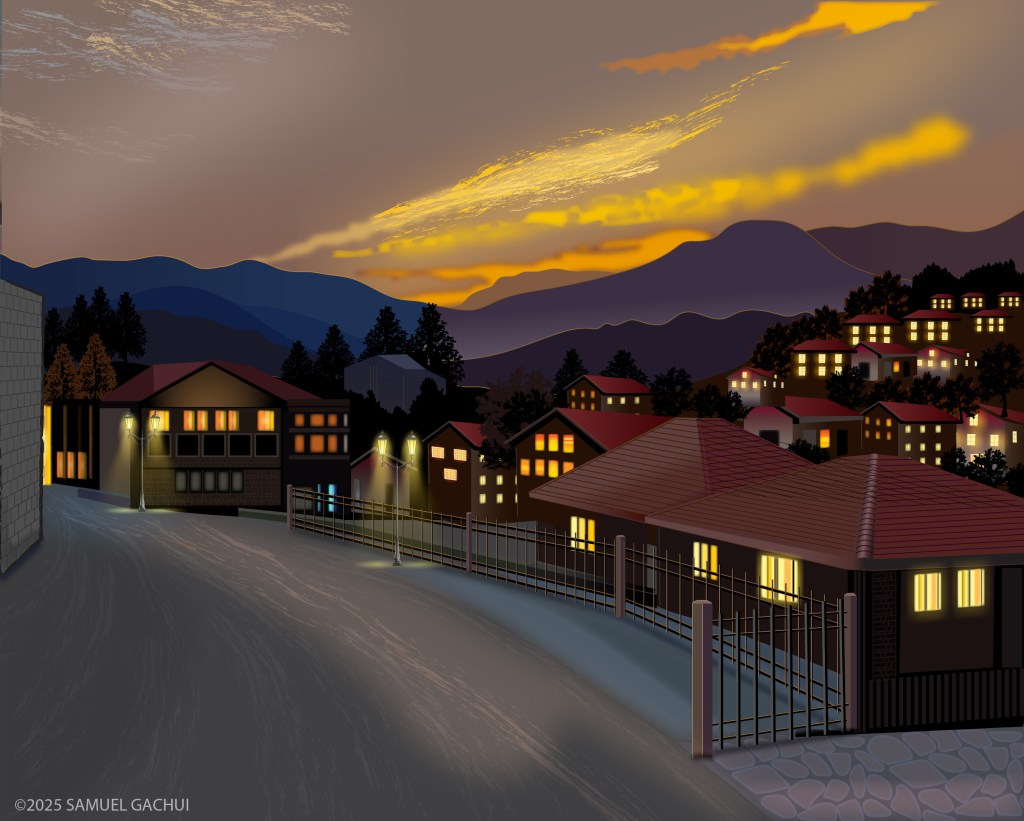
Arrival in Stemnitsa
I walked without direction. No signs pointed toward anything important. No shops stayed open for convenience. I found a small guesthouse past the village square in a tight little corner. It was run by a poised, middle-aged woman who handed me a key and told me dinner would be ready “later.”
Later turned out to be an hour after checking in, having a warm shower and now back downstairs waiting in the small restaurant. So, after dinner, with no particular plan or schedule, I decided to take a stroll around.
That evening, the village seemed to rise into life and warmth as people gathered in the square. Chairs scraped against uneven stone. Wine appeared in mismatched glasses, its tart red notes warming against the cooling air. Someone played traditional folk music from a phone balanced on a windowsill, the melodies weaving through the chatter. I understood very little of the language, but I grasped the rhythm—conversations unhurried, laughter unforced, time irrelevant.
Back in Athens, I had been collecting moments like souvenirs. Here, moments were collecting me, pulling me effortlessly into the present as time stretched slowly into the night.
As I lay in bed later that night, I realized I hadn’t taken a single photograph since arriving in Arcadia. There was nothing obvious to frame and for once, no pressing need to prove I had been somewhere at all. Only the quiet certainty of being exactly where I was supposed to be, without needing to explain why.
The next morning, the bus arrived when it meant to—not according to a schedule, but according to necessity. I boarded without urgency, carrying less certainty than I had arrived with, and far more ease.
Greece is famous for its islands, but it was the mountains—indifferent to my plans and uninterested in my documentation—that taught me how to travel without performing it.
I didn’t see everything. I stopped trying to.


 Sure Media Magazine
Leave a comment