

In the rich tapestry of Black culinary traditions, family meals transcend mere nourishment. They evolve into profound acts of resistance against systemic oppression. This essay explores how these communal rituals preserve cultural heritage, foster self-determination, and challenge food inequities. By examining historical contexts, personal narratives, and contemporary practices, it illustrates the transformative power of ancestral recipes in Black communities.
Historical Foundations of Culinary Resistance
Black foodways in the United States have their origins in the transatlantic slave trade. Enslaved Africans ingeniously adapted indigenous ingredients and techniques. They sustained their bodies and spirits amid dehumanizing conditions. For example, dishes incorporating okra, collard greens, and black-eyed peas were staples brought from West Africa. These dishes served not only as sustenance but also as covert affirmations of identity. During the era of sharecropping and Jim Crow laws, families turned meager rations into elaborate meals. They embedded stories of survival within each preparation. These acts defied economic dispossession, asserting autonomy over one’s table in a society designed to withhold resources.
Scholars like Psyche Williams-Forson, in her analysis of African American food culture, emphasize how these practices constituted “quiet rebellions.” By passing down recipes orally, generations maintained a lineage of knowledge that colonial structures sought to erase. This historical resilience informs modern interpretations. Family meals continue to counteract food apartheid. These are systemic barriers that limit access to nutritious, culturally relevant foods in Black neighborhoods.
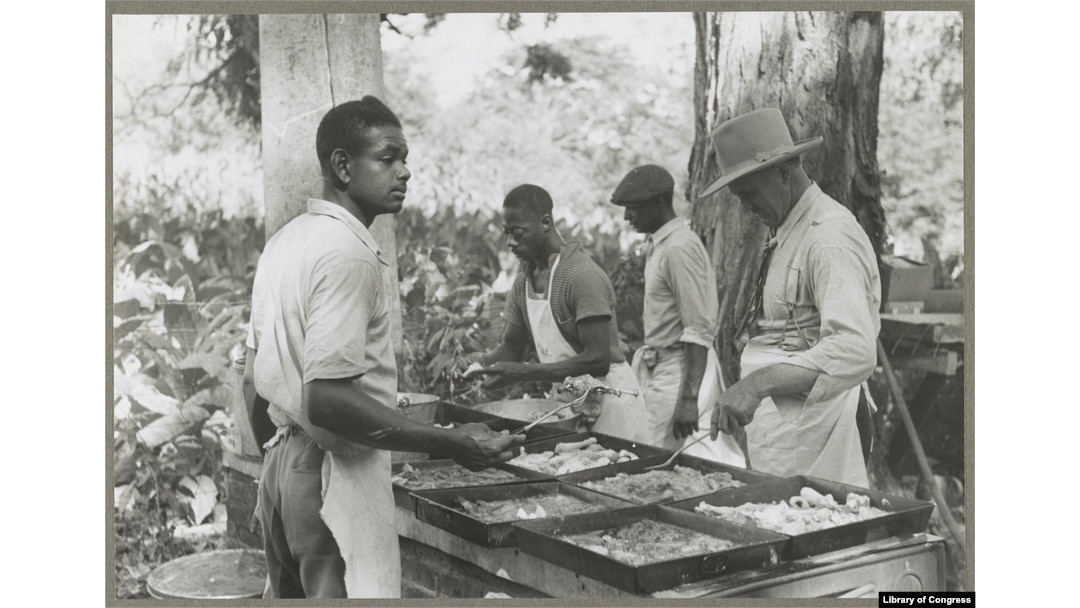
How Enslaved Africans Helped Invent American Cuisine
Personal Narratives and Intergenerational Wisdom
Consider the story of my great-grandmother. She was a domestic worker in 1940s Mississippi. She elevated simple ingredients like cornmeal and foraged herbs into cornbread. This cornbread symbolized abundance. Her recipe, shared during family gatherings, was laced with tales of outwitting scarcity. She spoke of substituting molasses for sugar during rationing periods. She also incorporated wild greens to combat nutritional deficiencies imposed by segregation. Such narratives humanize the struggle, transforming meals into educational moments where children learn about heritage and agency.
These personal accounts underscore the intergenerational transmission of wisdom, where food becomes a vessel for memory and empowerment. In many Black households, preparing and sharing meals strengthens communal bonds. It counters the isolation fostered by systemic inequities. This practice not only preserves cultural identity but also instills a sense of pride and self-reliance in younger generations.

Soul Food Illustrations & Vectors
Contemporary Practices and Radical Food Systems
Today, Black chefs and home cooks are innovating these legacies. They infuse traditional recipes with modern twists. These innovations address ongoing challenges such as climate change, urban food deserts, and cultural commodification. Chefs like those associated with the James Beard Foundation are reimagining classics. They enhance gumbo with sustainable seafood or create vegan adaptations of fried chicken. Their priority is ethical sourcing and community health.
Organizations such as the Southeastern African American Farmers’ Organic Network (SAAFON) exemplify this. They reconnect urban families with heirloom seeds. They also promote sustainable growing methods. A family meal prepared from these sources—a stew of heritage tomatoes and yams—serves as a deliberate rejection. It opposes commodified, processed foods that dominate supermarket shelves in underserved areas. This act reaffirms the right to define one’s sustenance. It reflects principles of food sovereignty. These principles were articulated by movements like the Black Panther Party’s free breakfast programs in the 1960s.
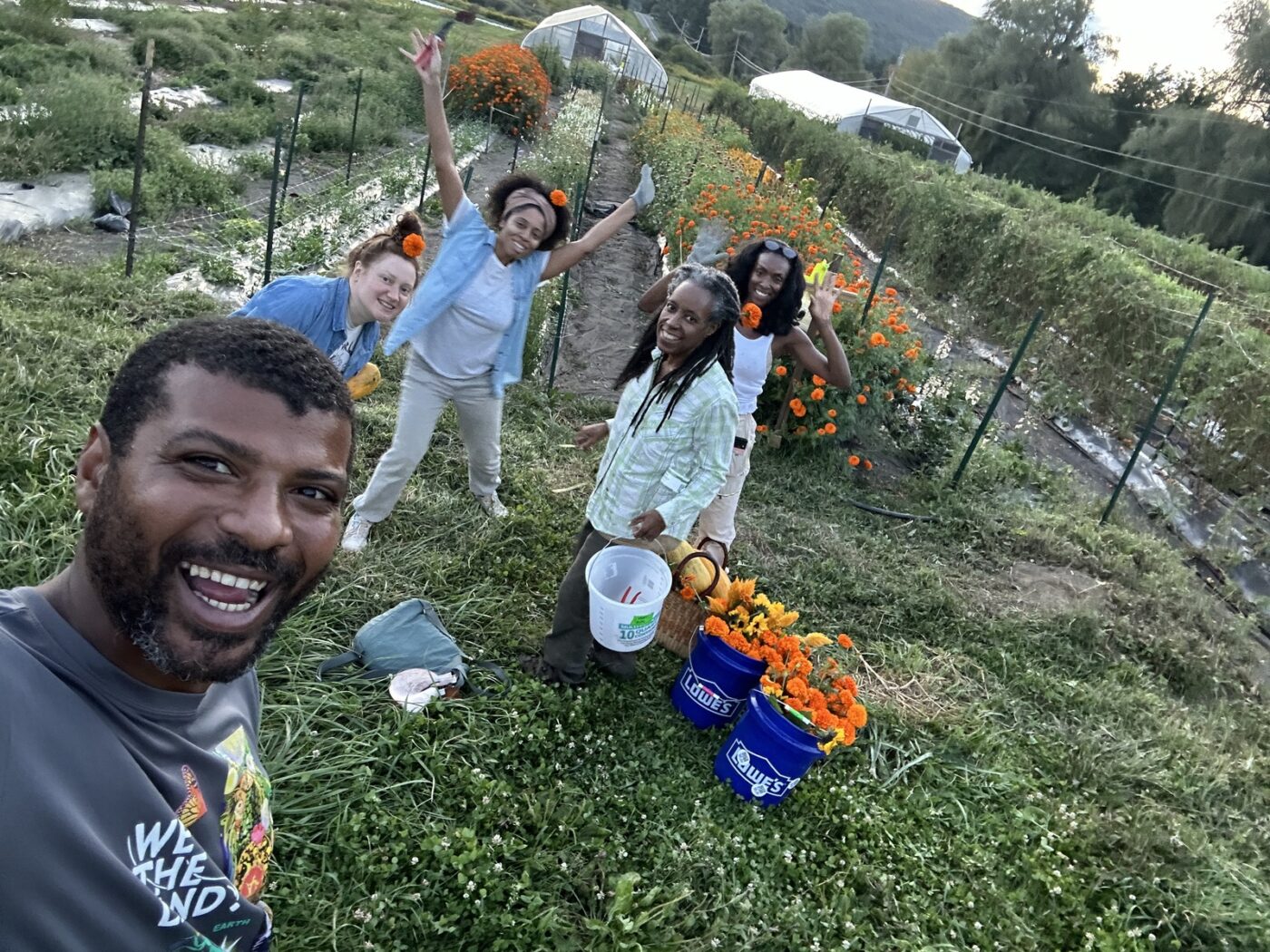
Furthermore, community gardens and cooperatives are pivotal in this radical reclamation. These spaces not only produce fresh produce. They also serve as hubs for political education and mutual aid. In these hubs, participants exchange recipes. They also share strategies for economic independence. Through such initiatives, everyday meals evolve into platforms for advocacy, challenging the broader capitalist food systems that perpetuate inequality.
Conclusion: A Recipe for Resilience
In conclusion, the transformation of family meals into acts of everyday rebellion underscores the enduring strength of Black communities. By honoring ancestral practices while adapting to present realities, these culinary traditions pave the way for liberated futures. To embody this spirit, consider preparing a simple heritage-inspired dish: Great-Grandmother’s Cornbread.
Ingredients:
- 1 cup cornmeal
- 1 cup flour
- 1 tablespoon baking powder
- 1/2 teaspoon salt
- 1 cup milk (or plant-based alternative)
- 1/4 cup molasses
- 1/4 cup vegetable oil
- 1 egg (or flaxseed substitute)
Instructions:
- Preheat oven to 400°F and grease a cast-iron skillet.
- Mix dry ingredients in a bowl.
- In another bowl, combine wet ingredients.
- Blend wet into dry until just combined.
- Pour into skillet and bake for 20-25 minutes until golden.
This recipe, rooted in resourcefulness, invites reflection on the triumphs embedded in every bite. Through such acts, Black foodways continue to nourish bodies, spirits, and movements toward equity.


 Sure Media Magazine
Leave a comment