

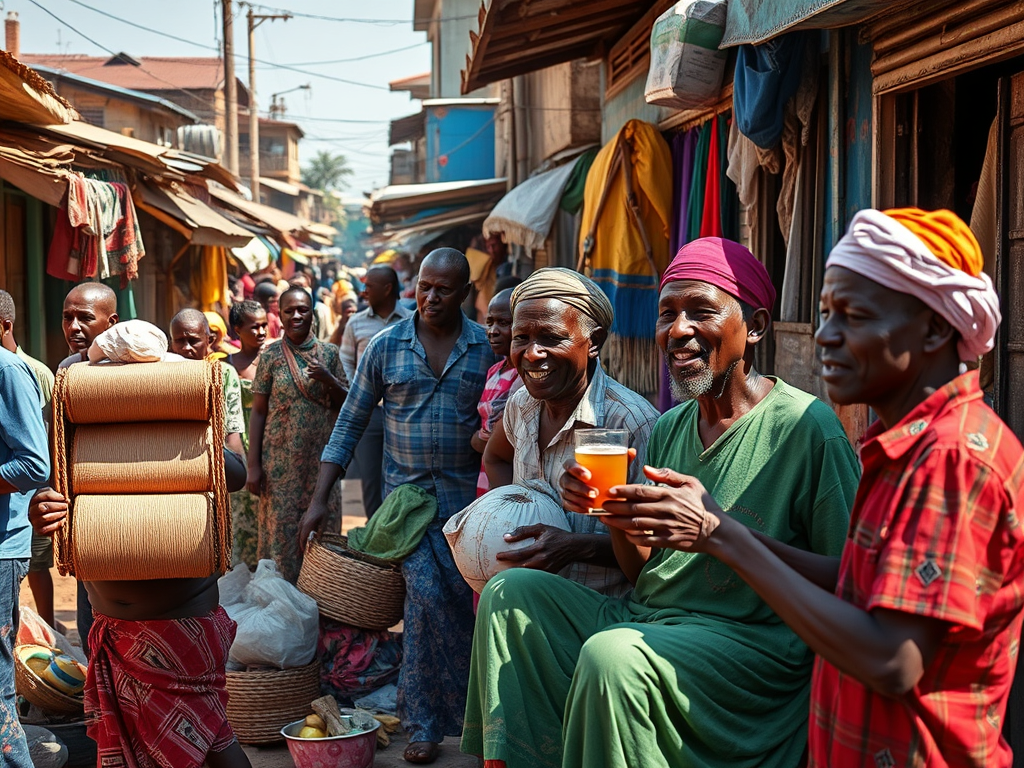
Mombasa, Kenya – 11 November 2025Tucked along the shimmering shores of the Indian Ocean, just a stone’s throw from the salty breeze of the ferry channel, lies a place everyone in Mombasa simply calls Bangla. Short for Bangladesh, this vibrant, chaotic, unbreakable slum is home to thousands of Luhyas from Busia—proudly known as Manyala—and Luos straight out of Luo Nyanza. If you’ve never set foot here, let this be your official invitation. But leave your soft life at the Likoni crossing; you won’t need it.
A Diploma in Street Survival
I lived in Bangla for one year, 2010 to 2011, before moving to Junda in Kisauni. That single year felt like a full diploma in street survival. Anyone who grew up in Bangla can walk into Mathare, Kibra, or any slum in Kenya and feel right at home. In fact, those places suddenly seem like gated communities with manicured lawns and 24-hour security.Walk in as a “mgeni” (stranger) and the whole neighbourhood clocks you before you’ve taken three steps. They know every resident, every boda boda rider, every mama mboga selling oranges by the roadside. But once they accept you, you’re family for life. I once stretched KSh 100 to feed a family of six for supper: thick ugali, mountains of sukuma wiki, and a handful of omena if the day had been kind. That, my friends, is heaven on a budget.
The Kings of Hard Labour
The men of Bangla are the unsung heroes of Mombasa’s godowns. From dawn till dusk, they offload tonnes of maize, fertilizer, and cement at the cereals board warehouses. Sweat dripping, muscles screaming, yet the unity is unbreakable. Touch one, and the whole gang descends like a coastal storm. I saw it firsthand—solidarity thicker than the strongest glue.
Alingi Tea & Makali Mnazi
Need a quick buzz? Head for the http://the legendary Alingi tea legendary Alingi tea. They boil majani chai until the pot turns darker than a blackout at midnight. One mug and you’re guaranteed to feel lighter than a kite over the channel. No ID check required.Then there’s the beachside den brewing mnazi—locally known as makali. One sip of that palm wine is so potent it sends you for a five-minute meeting with the ancestors, then gently drops you back to earth before your friends even notice you were gone.
Politics? Ask the Gang First
Want to hold a political rally at the famous Uwanja wa Ndege grounds? First, pay respects to the local gang that runs the show. Cough up something “small” (or not so small), and your microphones will work. Everyone complies—except the late Baba Yao. The man could roll in without paying a single cent himself, though his entourage always settled the bill quietly. Don’t believe me? Go ask Ababu Namwamba.
Bangla Pesa: Their Own Currency
For a hot minute, Bangla even printed its own money http://Bangla even printed its own money—the legendary Bangla Pesa. Real notes, real swagger, real community trust. It was a bold experiment in local economics that put the slum on the national map. The project was unfortunately abolished in practice, even though it is still remembered as one of the boldest grassroots economic experiments ever tried in Kenya.
Love Stronger Than Safaricom Signal
Bangla is the house of bread, the house of talent, the house of peace—until you provoke them. Then you learn fast. But the love? The loyalty? The way strangers become brothers over a late-night plate of viazi karai at 2 a.m.? That bond is pure, unfiltered, and stronger than Safaricom network in the CBD on a Monday morning.
The Verdict
Bangla hardens you tougher than the Kenyan economy on a bad day. It teaches you resilience, resourcefulness, and the true meaning of community. It’s not for the faint-hearted, but for those who’ve lived it, Bangla isn’t just a place—it’s home.Karibuni Mombasa.
Karibuni Bangla.
Just remember: survival skills are mandatory, love is guaranteed.
Conclusion
Bangla demands everything from you, yet it gives back lessons you carry for life. It shapes you into someone who can navigate any crisis with steady hands and a sharp mind. The noise, the hustle, the raw honesty of daily struggle, and the fierce brotherhood all mold you into a person who understands that survival is not about comfort. It is about courage, loyalty, and learning to create something out of nothing. Anyone who has lived in Bangla walks away with a backbone forged in fire and a heart trained to recognize real community. This slum might look fragile from the outside, but inside it holds a spirit that refuses to break. That spirit is what makes Bangla unforgettable.


 Sure Media Magazine
Leave a comment