
Navigating Finances in a High-Cost World
In 2025, with global inflation hovering around 3% and housing costs surging by an average of 9.1% annually, managing money feels more challenging than ever. Whether you’re dealing with skyrocketing rents in urban centers or facing fluctuating grocery prices, traditional budgeting wisdom often falls short. You may also feel the constant pull of digital subscriptions. Enter the 50/30/20 rule—a timeless framework that’s helped millions achieve financial balance. But as living expenses evolve, so must our approach. This re-imagined guide updates the classic rule to fit today’s realities, empowering you to build stability without sacrificing joy. Let’s dive in and transform your budget from a source of stress to a tool for empowerment.
When Classic Budgeting Meets Modern Reality
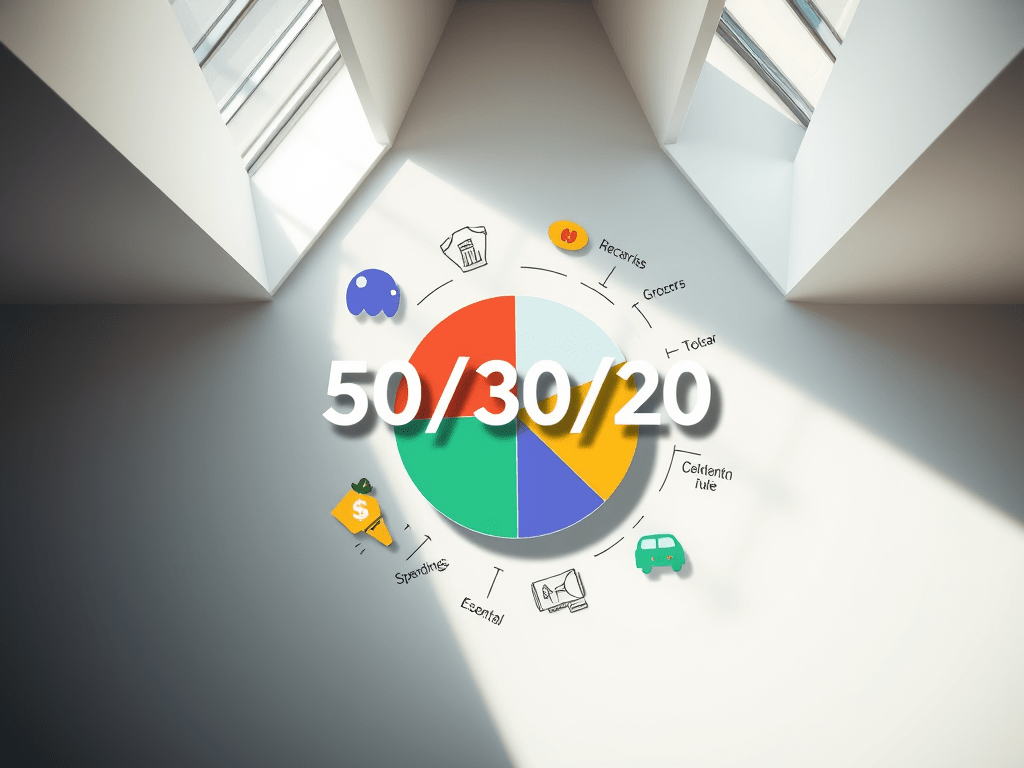
The 50/30/20 rule has been a personal finance staple for nearly two decades. Experts like Elizabeth Warren popularized it in her book All Your Worth. It’s straightforward and effective:
- 50% for needs: Essentials like housing, food, and utilities.
- 30% for wants: Discretionary spending on entertainment, dining, and hobbies.
- 20% for savings and debt repayment: Building your future and tackling obligations.
Yet, in an era where basic necessities can devour most of your income, this model often feels disconnected from reality. Inflation has shifted the landscape. Stagnant wages in many sectors complicate the situation. The rise of gig economy uncertainties adds to the difficulty. It’s harder to stick to these ratios without constant adjustments.
Why the 50/30/20 Rule Still Works (and Where It Breaks Down)
At its core, the rule’s simplicity is its strength—it promotes balance and mindfulness without overwhelming complexity. It encourages you to categorize spending intentionally, fostering habits that lead to long-term financial health. However, the “50% for needs” bucket is where cracks appear most prominently. With housing alone consuming 35–50% of income for many households, especially in high-cost areas, the math quickly unravels.
Today’s breakdowns often include:
- Rent or mortgage: Easily 35–50%, driven by urban demand and limited supply.
- Transportation: 10–15%, with fuel and public transit costs on the rise.
- Groceries and utilities: 15–25%, exacerbated by supply chain issues and energy price volatility.
This can push “needs” to 70% or more, squeezing out room for wants and savings. The result? Frustration, guilt, and a cycle of overspending. You’re not failing at money management—the economic playbook has simply changed.
The Modern 60/25/15 Rule: Budgeting for 2025 and Beyond
To bridge this gap, consider the updated 60/25/15 rule. It is a flexible adaptation that acknowledges higher essential costs. At the same time, it maintains the rule’s core principles. This version is particularly suited for middle-income earners facing inflationary pressures.
- 60% — Needs (Your Non-Negotiables) Cover housing, utilities, groceries, insurance, transportation, and minimum debt payments. This expanded bucket reflects real-world pressures without shame. Pro tip: Negotiate bills annually. Track usage with apps to trim waste. Small tweaks like energy-efficient habits can free up 5–10%.
- 25% — Wants (Your Lifestyle Choices) Allocate for joys like dining out, subscriptions, travel, or fitness. The key is duration: Focus on high-value experiences. Pro tip: Use the “joy-per-dollar” metric—rate purchases on a scale of 1–10 for happiness impact. Ditch low-scorers to maximize fulfillment.
- 15% — Savings and Debt Repayment Prioritize building an emergency fund, investing, or accelerating debt payoff. Even at 15%, compound interest works wonders over time. Pro tip: Divide it as 10% for savings/investments (e.g., via index funds or retirement accounts) and 5% for debt. Boost with windfalls like tax refunds.
This re-imagined split keeps the rule accessible while adapting to 2025’s economic headwinds.
Adapting the Rule for Different Income Levels
Budgeting thrives on personalisation. Here’s how to tweak the 60/25/15 for your situation:
- If You’re on a Tight Budget: Shift to 70/20/10 to prioritize survival. As income stabilizes, gradually increase savings. This is common for low-wage earners or those in high-cost regions.
- If You’re a Dual-Income Household: Try 50/25/25, dedicating one salary to needs and the other to growth. This leverages combined earning power for faster progress.
- If You’re Pursuing FIRE (Financial Independence, Retire Early): Go aggressive with 40/20/40, minimizing wants to supercharge investments. Ideal for high-earners focused on long-term freedom.
Remember, these are starting points—test and iterate based on your goals.
How to Implement the Modern Budget in Real Life
Theory is great, but action is better. Follow these steps to get started:
- Track Your Expenses for One Month: Use free tools like YNAB (You Need A Budget), Mint, or Excel. Categorize every expense to reveal hidden leaks.
- Identify Your Non-Negotiable: List fixed costs first, then variable ones. Be honest about what’s truly essential.
- Rebalance Using the 60/25/15 Framework: Plug in your numbers and adjust categories. If needs exceed 60%, explore cost-cutting like roommates or public transport.
- Automate Everything: Set up direct deposits for savings, bill pay, and investments. This builds discipline effortlessly.
- Review Quarterly: Life changes—job shifts, family additions, or economic shifts—demand updates. Celebrate wins to stay motivated.
Think of your budget as a living document, not a rigid contract.
The Future of Budgeting: Hybrid Income and Financial Automation
With side hustles, freelancing, and passive income streams becoming the norm, budgeting must evolve into a dynamic system. Leverage AI-powered apps that predict spending patterns, categorize transactions in real-time, and suggest optimizations. Tools like PocketGuard or Honeydue integrate seamlessly with digital wallets, reducing manual effort and emotional drain.
In this hybrid era, automation isn’t optional—it’s your edge for sustained control.
Final Thoughts: Balance Over Perfection
The original 50/30/20 rule was a brilliant guide, but flexibility is key in 2025’s volatile economy. By re-imagining it as 60/25/15 or a custom variant, you align your finances with your life, not outdated ideals. Embrace awareness, make intentional choices, and watch stress fade as security grows.


 Sure Media Magazine
Leave a comment