
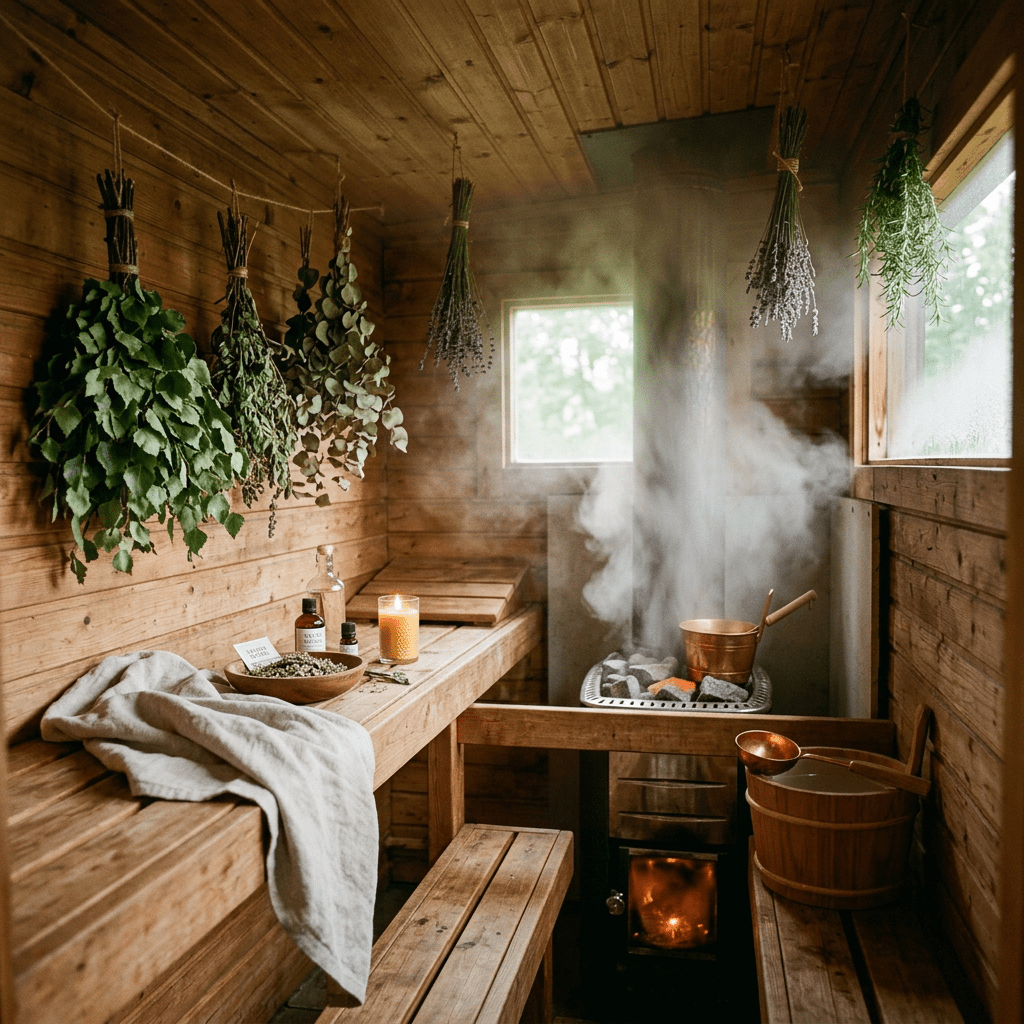
In recent years, more people have embraced wellness practices that combine relaxation, natural remedies and self-care. Among these growing trends is herbal sauna therapy a practice that blends heat, steam and natural herbs to create a calming and refreshing experience for both body and mind.
From wellness spas to home-based steam sessions, many people are turning to herbal saunas as part of a healthier lifestyle, seeking moments of relaxation in increasingly busy lives.
Unlike a regular sauna, herbal sauna therapy incorporates natural plants and herbs into the steam. Ingredients such as eucalyptus, mint, rosemary, ginger, lemongrass, lavender and other aromatic herbs are commonly used to create a soothing atmosphere.
The combination of warmth and herbal aromas makes the experience feel deeply comforting and restorative.
Why More People Are Trying Herbal Saunas
One reason herbal saunas are gaining popularity is simple: people are looking for natural ways to relax and unwind.
Modern life often comes with stress, long work hours, screen fatigue, and little time for rest. Sitting in a warm herbal sauna offers people a chance to disconnect, breathe deeply and slow down.
Many sauna users say the experience helps them feel refreshed, relaxed and mentally lighter after a session.
Others enjoy herbal saunas after physical activity such as hiking, gym workouts, running, or long days of work because the warmth helps them feel physically relaxed.
The Role of Natural Herbs
Herbs have long been part of traditional wellness practices in many cultures.
In herbal saunas, aromatic plants are added to water or steam to create an immersive sensory experience. For example:
- Eucalyptus is commonly associated with refreshing scents that many people find soothing.
- Ginger is often appreciated in wellness routines for its warming qualities.
- Lemongrass is valued for its calming aroma.
- Mint creates a cooling and refreshing sensation.
While people enjoy these experiences for comfort and relaxation, reactions vary from person to person and wellness experiences are deeply individual.
A Wellness Ritual, Not a Miracle Cure
Part of the growing interest in herbal saunas comes from a wider movement toward wellness and preventive care. Many people today are intentionally choosing healthier routines including exercise, natural foods, rest, hydration, mindfulness and recovery practices.
For some, sauna time has become a ritual: a chance to pause, relax, sweat and recharge.
At the same time, it is important to understand herbal saunas as a wellness activity rather than a cure-all. People often describe benefits such as relaxation, comfort, improved mood and a sense of physical recovery, but experiences differ depending on the individual.
Those with medical concerns or certain health conditions may benefit from professional guidance before using heat-based wellness practices.
Why Herbal Sauna Therapy Is Here to Stay
The popularity of herbal sauna therapy reflects something bigger: people are increasingly searching for balance.
As modern life becomes faster and more demanding, many are rediscovering simple wellness habits rooted in nature, rest and routine.
Whether used for quiet reflection, relaxation after exercise, or a moment of calm after a busy week, herbal sauna therapy is becoming more than a trend for many, it is becoming a lifestyle habit.



 Sure Media Magazine
Leave a comment