
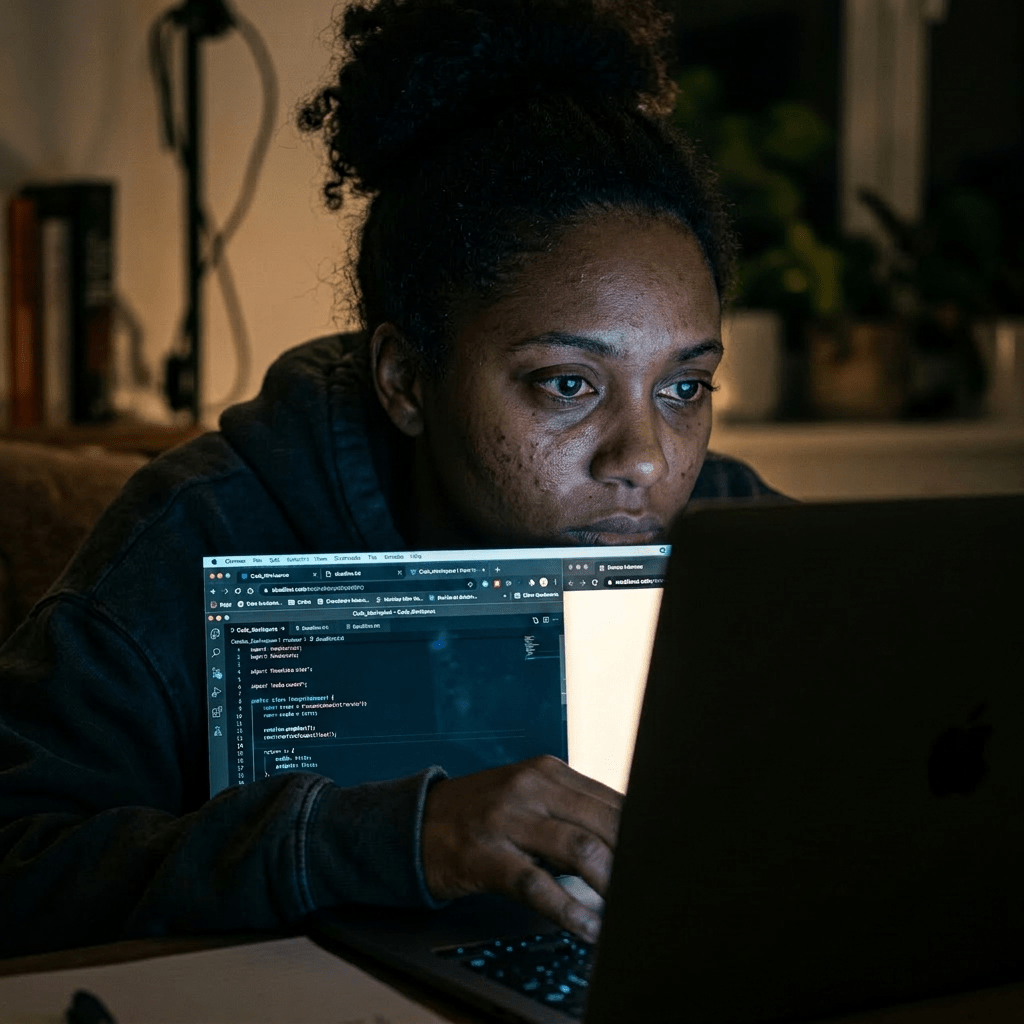
The modern world runs on screens. We work on laptops, scroll through smartphones before bed, attend virtual meetings for hours, and hand tablets to children before they can fully write with pencils. Technology has made life faster, more connected, and more convenient but it has also created a growing problem for our eyes.
Across clinics, workplaces, and classrooms, complaints linked to prolonged screen use are becoming increasingly common. People report dry eyes, headaches, blurred vision, eye fatigue, light sensitivity, and trouble focusing after long hours online. Many optometrists now see patients whose symptoms are not caused by disease, but by everyday digital habits.
Ironically, the same technology contributing to these problems is also being marketed as the solution.
From AI-powered eye exams and blue-light filtering software to smart glasses and screen-time monitoring apps, technology companies are now trying to reduce the visual strain created by the digital age. The bigger question is whether these innovations genuinely protect eye health or simply help people stay on screens longer.
The Growing Problem of Digital Eye Strain
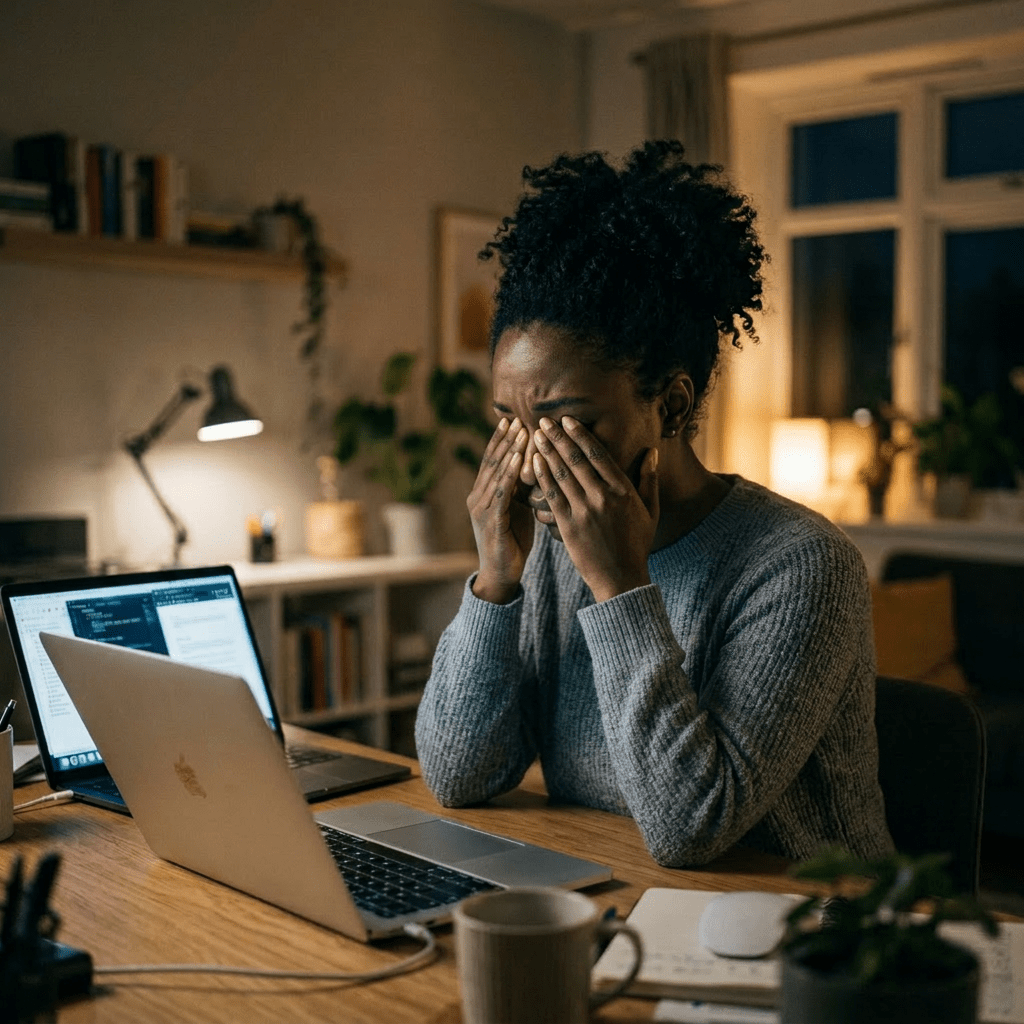
Digital eye strain, also known as Computer Vision Syndrome, refers to a group of eye and vision problems caused by prolonged use of digital devices. Symptoms often include dryness, irritation, headaches, neck pain,back pain, blurred vision, and difficulty concentrating.One major reason is surprisingly simple,people blink less while using screens.
Under normal conditions, humans blink around 15 to 20 times per minute,this consistent movement keeps your eyes oxygenated,clear of debris and properly lubricated. During intense screen use, that number can drop significantly. Less blinking means tears evaporate faster, leaving the eyes dry and irritated.
Screens also force the eyes into constant near-focus work. Unlike reading printed text, digital devices involve glare, brightness fluctuations, poor posture, and continuous switching between tasks, all of which increase visual and mental fatigue.
The rise of remote work made the problem even more visible. During and after the COVID-19 pandemic, millions of people shifted to work environments built around laptops and smartphones. Children experienced similar changes as online learning expanded globally.
Today, for many people, screen time is no longer a part of life, it is life.
Technology Is Trying to Fix the Problem
The technology industry has responded with a growing number of tools designed to reduce digital eye strain.
Most smartphones and laptops now include “night mode” settings that reduce blue light emissions and warm screen colors during evening hours. Productivity apps remind users to blink, take breaks, or follow the well-known 20-20-20 rule: every 20 minutes, look at something 20 feet away for 20 seconds.
Artificial intelligence is also beginning to reshape eye care.AI-powered diagnostic systems can analyze retinal photographs and help detect conditions such as diabetic retinopathy, glaucoma, and age-related macular degeneration. In some settings, these tools may identify problems earlier and faster than traditional screening methods.
Tele-optometry platforms are also expanding access to care, especially in underserved areas. Instead of traveling long distances for appointments, some patients can now receive consultations remotely.
Meanwhile, new software tools are being developed to monitor blinking patterns, posture, and screen distance in real time, warning users when strain levels become unhealthy.
The idea is appealing: if technology can track sleep, heart rate, and physical activity, why not eye health too?
The Debate Around Blue Light
Blue light is naturally present in sunlight, but digital screens also emit it at lower levels. Manufacturers of blue-light glasses often claim the lenses reduce eye strain and improve sleep quality.
Many eye specialists argue that discomfort from screens is more strongly linked to reduced blinking, glare, prolonged near work, and inadequate breaks than to blue light itself. Some studies suggest blue-light filtering may slightly improve comfort or sleep for certain users, particularly at night, while others show minimal measurable benefit.This has created a gap between marketing and medical certainty.
For consumers, the challenge is separating evidence-based solutions from products designed to profit from digital anxiety.
Where Technology May Truly Help
Technology may have its greatest impact not in filtering screens, but in improving access to eye care.In many low- and middle-income countries, there is a shortage of eye care professionals. Rural patients often travel long distances for examinations, while preventable vision problems go undiagnosed for years.
AI systems could help bridge some of these gaps.Smartphone-based retinal imaging tools are already being tested in several regions. With minimal equipment, healthcare workers can capture retinal images that are analyzed remotely or by AI software trained to detect disease patterns.
This could allow earlier identification of conditions such as diabetic eye disease, which often develops silently before symptoms appear.
Telemedicine is also changing how optometrists interact with patients. Virtual consultations can help screen symptoms, provide follow-up care, and educate patients about healthier visual habits.
In this context, technology becomes less about convenience and more about accessibility.Still, experts caution that AI should support clinicians rather than replace them. Eye care involves more than image analysis. Comprehensive examinations, patient communication, and clinical judgment still matter.
The Limits of Technology
Despite all these innovations, many experts believe the real solution to digital eye strain is behavioral, not technological.No app can fully compensate for twelve uninterrupted hours of screen exposure. Smart glasses cannot replace sleep, and blue-light filters do little if users rarely rest their eyes.
Technology may reduce symptoms, but it cannot completely eliminate the biological limits of human vision. The human eye did not evolve for constant close-up focus on illuminated screens. Yet modern lifestyles increasingly demand exactly that.
Children now spend more time indoors using devices, a trend associated with rising rates of myopia, or nearsightedness. Researchers believe reduced outdoor activity and increased near work both play major roles.
Some projections suggest that by 2050, nearly half the world’s population could be myopic.This means the future of eye health may depend as much on public health habits as on technological innovation.
Designing a Healthier Digital Future
Eye specialists continue to recommend relatively simple habits: taking regular screen breaks, positioning screens correctly, improving lighting, blinking consciously, and limiting screen use before bedtime.
These solutions may sound basic compared to AI diagnostics or wearable technology, but they remain among the most effective.
Technology is unlikely to disappear from modern life. If anything, screens are becoming even more immersive through virtual reality, augmented reality, and wearable devices that place digital content closer to the eyes.This creates a challenge for healthcare systems, educators, employers, and technology companies alike.
The future of eye health may depend on designing technology that respects biological limits rather than ignoring them. That could mean smarter devices, healthier workplace standards, stronger digital wellness education, and more accessible eye care services.
Technology can help address the problems it created but probably not on its own.
The deeper question is whether society is willing to change how it uses technology in the first place.



 Sure Media Magazine
Leave a comment