
The maasai Culture and Kenya’s tourism Heartbeat
Introduction
The Maasai people are one of the most famous indigenous communities in East Africa, living mainly in southern Kenya and northern Tanzania. Known for their colorful clothing, unique traditions, and deep connection with nature, the Maasai have become a symbol of African cultural heritage. Their way of life has not only preserved ancient traditions but also contributed significantly to wildlife conservation and tourism, especially around areas like the Maasai Mara National Reserve.
The Rich Culture of the Maasai
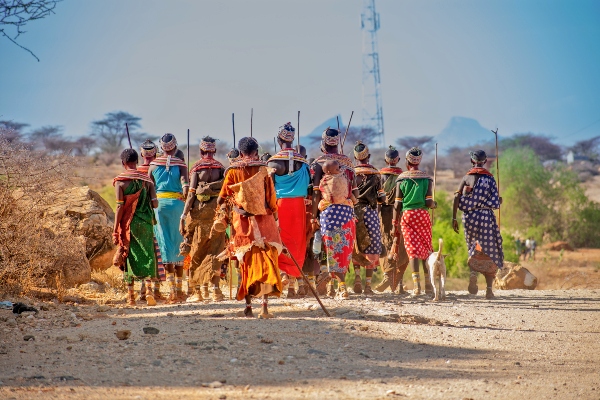
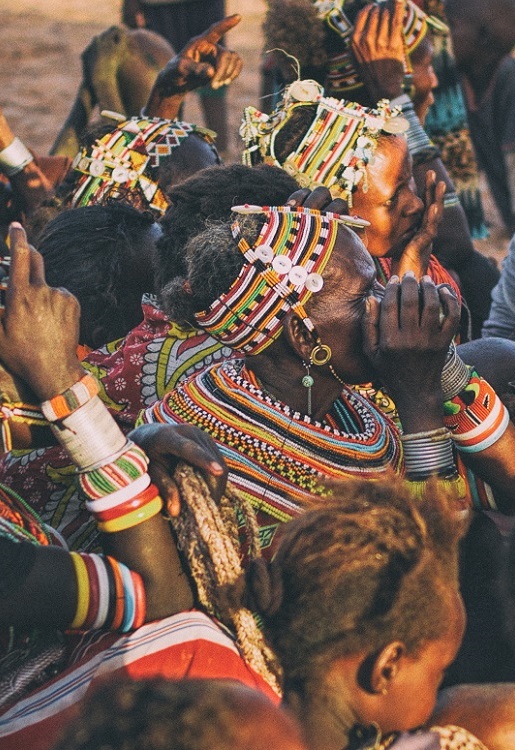

The Maasai culture is vibrant and deeply rooted in tradition. One of the most recognizable aspects of Maasai identity is their traditional clothing called shuka, usually bright red and decorated with beautiful beadwork. Each bead color has meaning: red symbolizes bravery, blue represents the sky, and white represents purity.
Maasai women are famous for their elaborate necklaces, bracelets, and earrings made from beads. These ornaments often represent age, social status, and marital status within the community.
Music and dance also play an important role in Maasai life. Their famous jumping dance, known as Adumu (Maasai jumping dance), is performed during ceremonies and celebrations. In this dance, young warriors jump high into the air to demonstrate strength and endurance.
The Maasai Way of Life and Connection with Nature
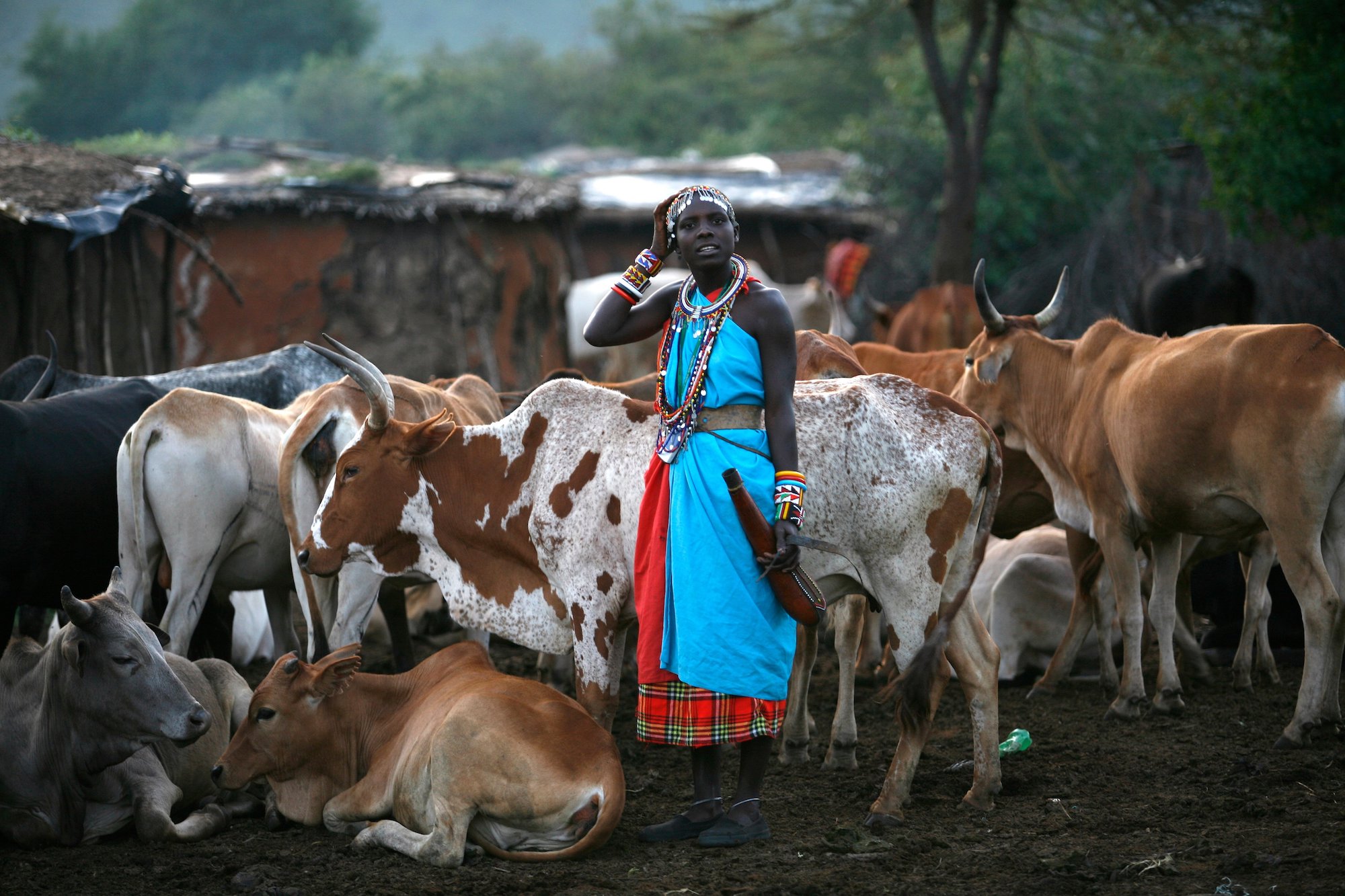

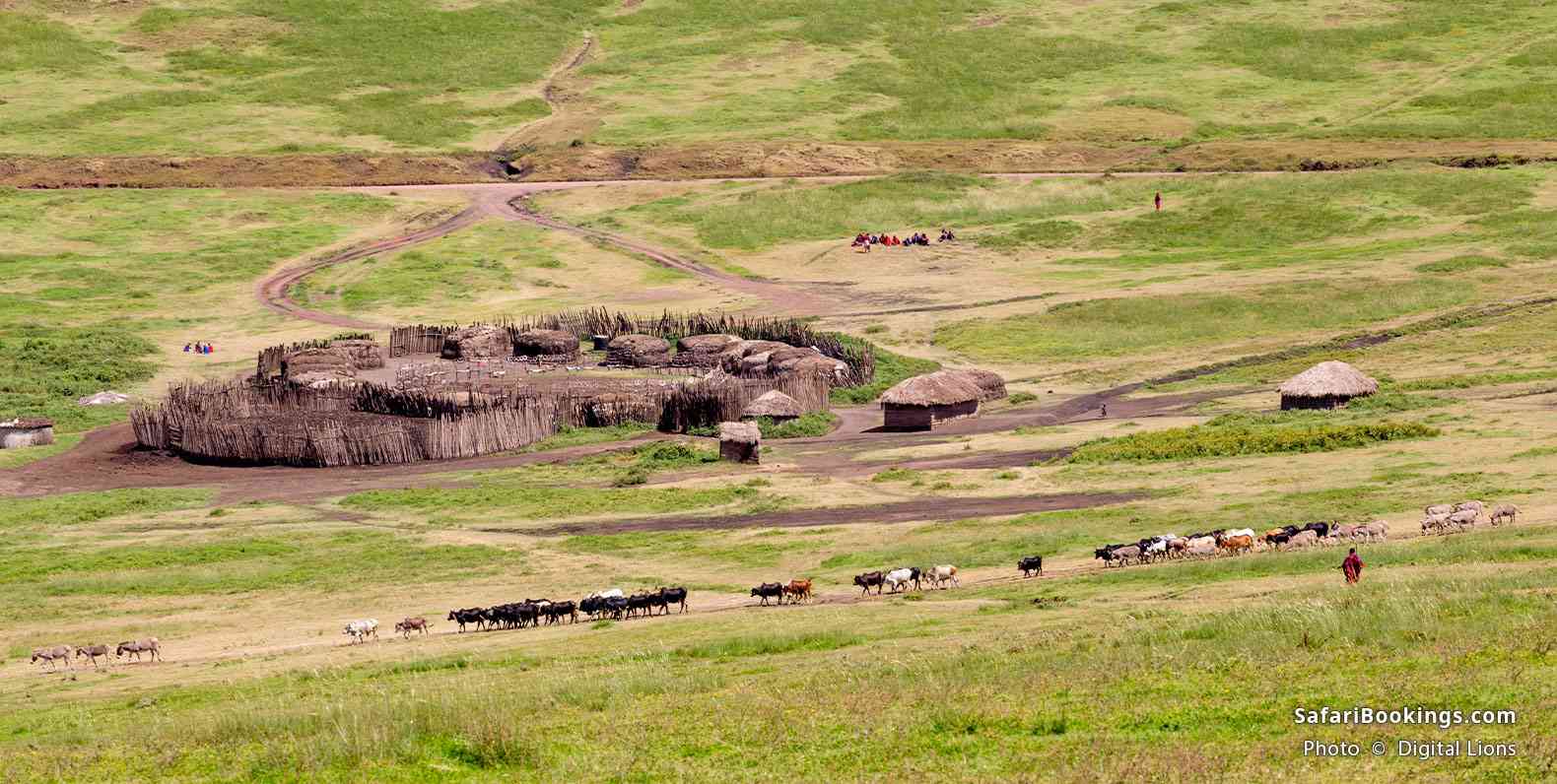
Traditionally, the Maasai are semi-nomadic pastoralists who depend mainly on cattle for their livelihood. Cattle are not just a source of food but also a symbol of wealth, status, and cultural identity.
Their villages, known as manyattas, are built from mud, sticks, and cow dung. These homes are simple but effective, allowing the Maasai to move when necessary in search of grazing land for their livestock.
Living close to nature has allowed the Maasai to develop a deep understanding of wildlife and ecosystems. For generations, they have coexisted with animals such as lions, elephants, and zebras across the savannah landscapes of East Africa.
Maasai Culture and Wildlife Conservation
One of the most remarkable aspects of the Maasai lifestyle is their coexistence with wildlife. The lands traditionally occupied by Maasai communities surround some of Africa’s most famous wildlife areas, including the Maasai Mara National Reserve.
Instead of destroying wildlife habitats, the Maasai historically allowed animals to roam freely across their grazing lands. This balance between livestock and wildlife has helped preserve large ecosystems and migration routes for animals.
In recent years, many Maasai communities have partnered with conservation organizations to protect wildlife. Community conservancies now allow animals to move freely while also providing income to local people through eco-tourism. Maasai Contributions to Wildlife Conservation
The Maasai play a major role in wildlife conservation in East Africa. Much of the land around the Maasai Mara is owned or managed by Maasai communities. Through community conservancies and eco-tourism initiatives, local people help protect wildlife while also benefiting economically.
Their traditional tolerance of wild animals has helped protect important species such as:
- Lions
- Elephants
- Zebras
- Wildebeests
The famous Great Wildebeest Migration, one of the most spectacular wildlife events in the world, takes place across Maasai lands between the Serengeti and the Maasai Mara.
Community conservation programs now allow Maasai landowners to lease land for wildlife protection, which reduces habitat destruction and promotes sustainable tourism.
Maasai Culture and Tourism
Tourism in Kenya is not only about wildlife; culture also plays a big role. Visitors who come to see wildlife in the Maasai Mara often visit Maasai villages to experience their traditions.
Tourists can:
- Watch traditional dances
- Visit manyattas
- Learn about Maasai lifestyle
- Buy traditional beadwork and crafts
Cultural tourism provides income for Maasai communities and encourages the preservation of their traditions.
The Maasai culture plays a major role in Kenya’s tourism industry. Visitors from around the world travel to Kenya not only to see wildlife but also to experience the unique traditions of the Maasai.
These cultural experiences add a human and cultural dimension to wildlife safaris, making tourism in Kenya more meaningful and educational.
Additionally, cultural tourism helps Maasai communities earn income while preserving their traditions.
Challenges and Cultural Preservation
Despite its importance, Maasai culture faces challenges from modernization, land changes, and climate pressures. Younger generations are increasingly exposed to modern lifestyles, which can lead to the loss of traditional practices.
However, many Maasai leaders and organizations are working to preserve their culture through education, cultural festivals, and tourism initiatives that respect their heritage.
Conclusion
The Maasai people represent a unique blend of culture, tradition, and environmental stewardship. Their colorful traditions, strong cultural identity, and close relationship with nature have made them an essential part of Kenya’s national identity.
By protecting wildlife, preserving cultural heritage, and participating in sustainable tourism, the Maasai continue to shape Kenya’s global image as a destination rich in both natural beauty and cultural diversity.







 Sure Media Magazine
Leave a reply to Shakuya Alex Cancel reply