
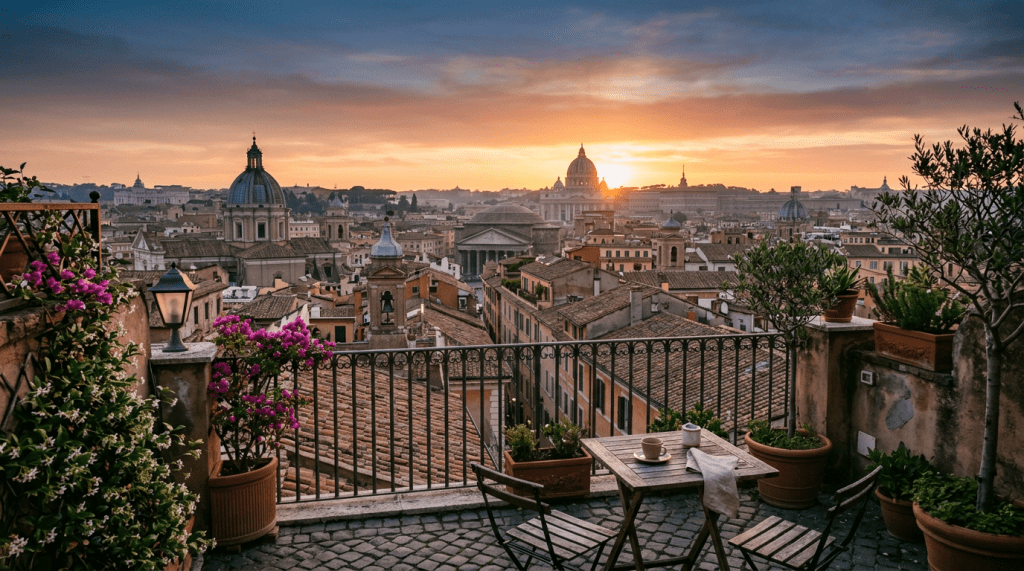
The city was just beginning to wake when I climbed the Spanish Steps. The streets below were quiet. A few pigeons pecked at the stone. The first rays of sunlight touched the church above. Rome, one of the world’s most visited destinations, felt almost empty. In that moment, I realized something important: I did not need to see everything Rome had to offer. I only needed to experience it in a way that worked for me.
My first attempt to visit the Colosseum had ended badly.
I emerged from the metro station and heard the crowd before I saw it. Thousands of voices blended into a constant hum. Selfie sticks clicked. Street vendors shouted. I stood at the top of the stairs, overwhelmed. After a few minutes, I turned around, returned to my hotel, and buried my face in a pillow.
I have never been comfortable in large crowds. Packed trains, busy streets, and constant noise can quickly become overwhelming. Even so, I traveled to Rome in July, when the city is at its busiest and millions of visitors arrive to experience its famous landmarks.
In the weeks before my trip, I searched for images of Rome in summer. The photos looked remarkably similar: crowds pressing against the railings of the Trevi Fountain, long lines curling around St. Peter’s Basilica, and tourists filling the Roman Forum from one end to the other. The sheer number of people almost convinced me to stay home.
I almost canceled the trip.
Instead, I followed my therapist’s advice: go anyway, but permit yourself to travel differently.
That decision changed everything.
The next morning, I woke up at 5:30 a.m. I am a late riser, but I wanted to see whether Rome felt different before the crowds arrived.
It did.
At 6 a.m., only a handful of people occupied the Spanish Steps. A jogger stretched nearby. An older woman sat reading a book. Water trickled quietly from the fountain below. I ate a maritozzo, a traditional Roman sweet bun, and watched the city wake up.
For the first time, I felt comfortable.
That morning became a turning point. I created a simple rule for my Rome trip: one experience a day, before 8 a.m.
The approach transformed the city.
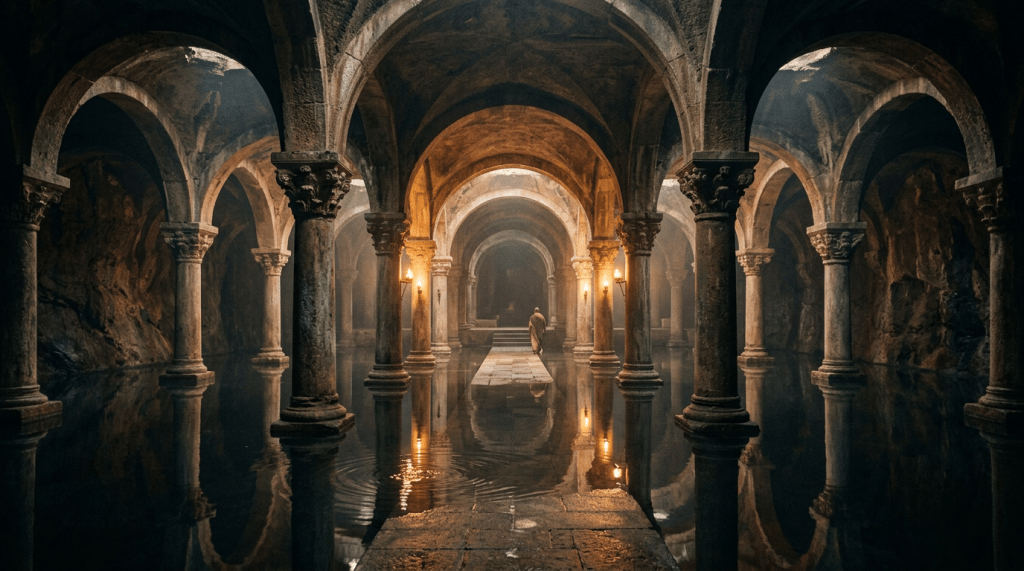
On my second day, I visited the Basilica of San Clemente, one of Rome’s most fascinating yet often overlooked landmarks. A short walk from the Colosseum leads to a church that reveals the many layers of Rome’s past beneath its foundations.
The journey takes visitors backward through time. Beneath the 12th-century church lies a fourth-century church, and below that sits a Roman street where water continues to move through centuries-old stone passages.
When I reached the lowest level, I stood completely alone.
The only sound was moving water—no tour groups. No conversations. No footsteps. It felt as though I had discovered a hidden Rome beneath the modern city.
That became my favorite kind of travel experience.
On the third morning, I skipped another famous attraction. Rather than joining the queue for the Pantheon, I walked to the Giardino degli Aranci, also known as the Orange Garden, on Aventine Hill.
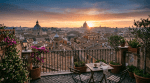
The view stretched across the city toward St. Peter’s Basilica. Morning light illuminated the dome in the distance. An older man fed a passing cat. The garden remained calm and nearly empty.
I sat there for more than an hour.
No one asked where I was from. No one took photos around me. No one expected anything from me.
Many travelers come to Rome with ambitious itineraries. They visit every major landmark, join guided tours, and rush between attractions. There is nothing wrong with that approach.
It simply was not mine.
I never entered the Sistine Chapel. I spent only a minute near the Trevi Fountain before leaving. I skipped pasta-making classes, Vespa tours, and crowded evening excursions.
Instead, I learned which churches opened early. I discovered shaded piazzas with empty benches. I enjoyed quiet Roman breakfasts of cappuccino and pastries while standing at local café counters before the city became busy.
By slowing down, I began to notice details that many travelers miss.
The rich aroma of bread fresh from the oven lingered along the side streets. Church bells drifted across the city skyline, while changing sunlight gave ancient stone a new character with each passing hour.
These moments became the highlights of my Rome itinerary.
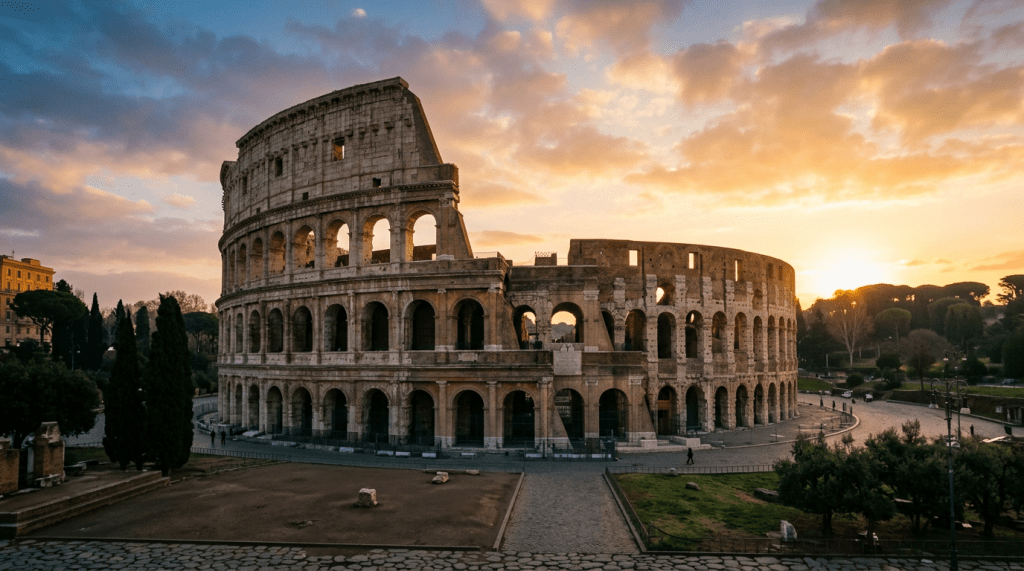
On my final evening, I returned to the Colosseum.
This time, I waited until after closing hours. Most visitors had already left. Small groups lingered outside, sitting on cobblestones and chatting quietly.
I found a place along a low wall and looked up at the illuminated arches.
For twenty minutes, I simply sat there.
The famous monument stood before me. Strangers surrounded me. Yet the atmosphere felt calm. Nobody pushed past me. Nobody shouted.
I took one photograph and walked back to my hotel smiling.
Travel advice often assumes everyone enjoys the same experiences. Many guidebooks encourage visitors to join group tours, attend social events, and meet as many people as possible.
For travelers with social anxiety, that advice can feel overwhelming.
There is another way to explore the world.
You can wake up early. Visit attractions during quiet hours. Spend time in parks, churches, and overlooked corners of a city. You can leave when crowds arrive and return when they disappear.
Most importantly, you can stop apologizing for traveling differently.
Rome taught me that meaningful travel is not about checking attractions off a list. It is about creating moments that stay with you long after you return home.
I did not see most of Rome.
But I remember the quiet water beneath San Clemente. I remember the sunrise over the Spanish Steps. I remember the cat wandering through the Orange Garden.
Those moments belonged entirely to me.
Key Takeaway
Travelers often find their most memorable experiences beyond the busiest attractions. Sometimes they appear in quiet corners, early mornings, and unexpected moments of solitude. Travel at your own pace and design experiences that match your needs—not someone else’s expectations.
Call to Action
Whether visiting Rome or any famous attraction site, embrace a slower approach. Rise early and seek quieter and overlooked places; let curiosity lead the way. You may find that your strongest memories come unexpectedly, beyond the pages of any guidebook.


 Sure Media Magazine
Leave a comment