
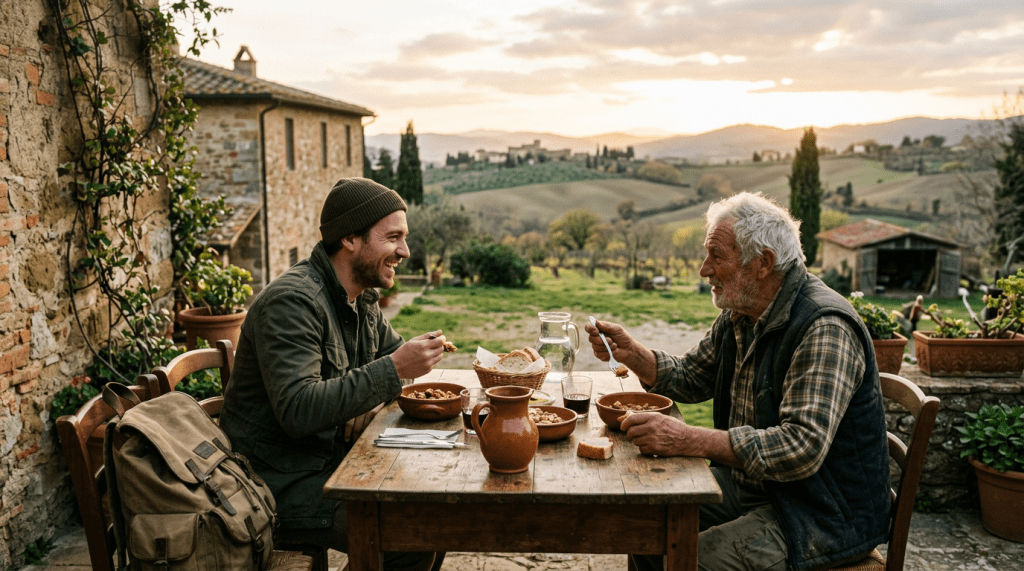
I recall visiting a small family farm far from the typical tourist destinations. The proprietor used an old recipe to produce olive oil, gathered native veggies from his garden, and prepared a supper that morning.
Despite the language barrier between us, the farm and food taught me more about the area than any guidebook or museum could. I learned that the best way to know a place’s real history is through its food.
Nowadays, travel is different. Many people prefer in-person experiences above simply visiting the typical locations. Because food unites history, customs, communities, and tales in a way that few other experiences can, it provides one of the best opportunities to interact with local culture.
Food on a Plate is Culture
Every meal has a story behind it. People reveal a region’s culture through the ingredients they use and the way they cook.
Eating uses all of your senses, unlike traveling. You taste distinct tastes, smell fresh herbs, and feel dough in your hands. Long after your journey has ended, these interactions leave you with memories.
As more individuals seek out deep connections, tourism is changing. Travelers today look for experiences that fit their beliefs, interests, and need for genuine cultural immersion, according to Euromonitor data. Attractions and experiences are among the fastest-growing sectors of travel spending worldwide.
The Rise of Culinary Tourism
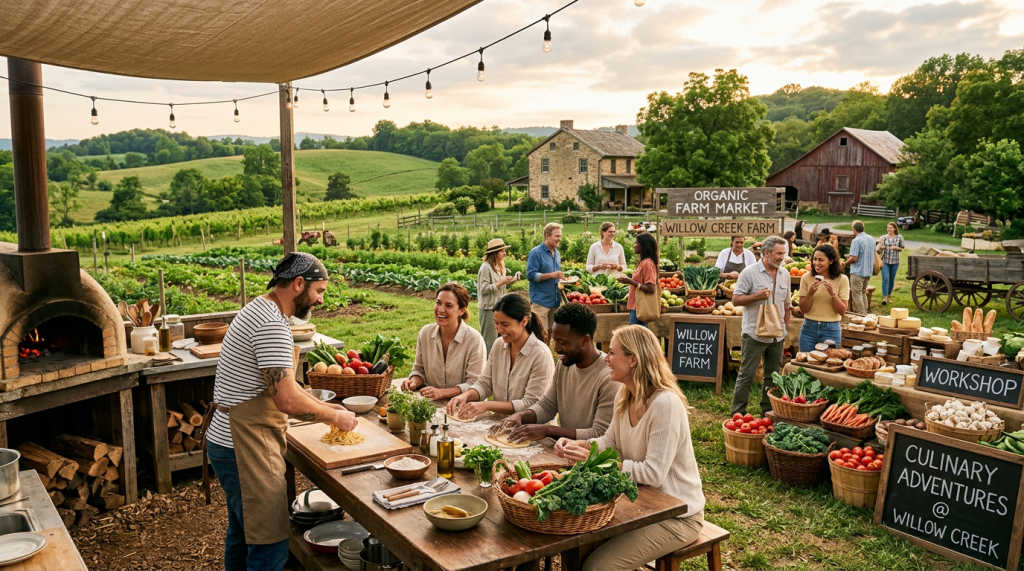
These days, securing a table at a restaurant is only one facet of food tourism. Travelers want to know where their food comes from and who makes it.
Nowadays, the following are common dining experiences:
- Farm-fresh meals
- Cooking classes
- Street food tours and food markets
- Tastings beverage
- Traditional fermentation seminars
- Harvest and agricultural adventures
The trend continues to gain momentum in 2026. According to research, people are increasingly interested in regional cuisine and eating healthily. In addition to promoting small producers and local communities, tourists seek to sample regional specialties. (Euromonitor)
Today, travel organizations acknowledge the importance of food-based travel. The 2026 UN Tourism World Forum on Gastronomy Tourism will demonstrate how food experiences foster cultural preservation, regional development, and sustainable tourism. (EU Transition Pathways)
Exciting Places Tourists Should Sample
Tuscany and Umbria, Italy
With the sprawling vineyards and family farms, you get an unforgettable taste of truffles, taste fresh olive oil, and learn about traditional cuisines.
Crete, Greece
Experience a food culture that values sustainability and fresh ingredients through clean Mediterranean cuisine.
Oaxaca, México.
Oaxaca is the epicenter of Mexican food traditions. Its famed mole sauces, handmade chocolate, and mezcal echo native and colonial touches. And the local markets are a sensory experience you will not forget.
Kyoto, Japan
Travelers get to sample Japan’s deep expertise in craftsmanship, seasonality, and tradition through farm-grown vegetables, local breweries, and centuries-old tea ceremonies.
Beyond the norm, little-known destinations such as Portugal, Slovenia, and Turkey are gaining attention among travelers seeking genuine food experiences and a connection to local culture.
How to Travel Through Food
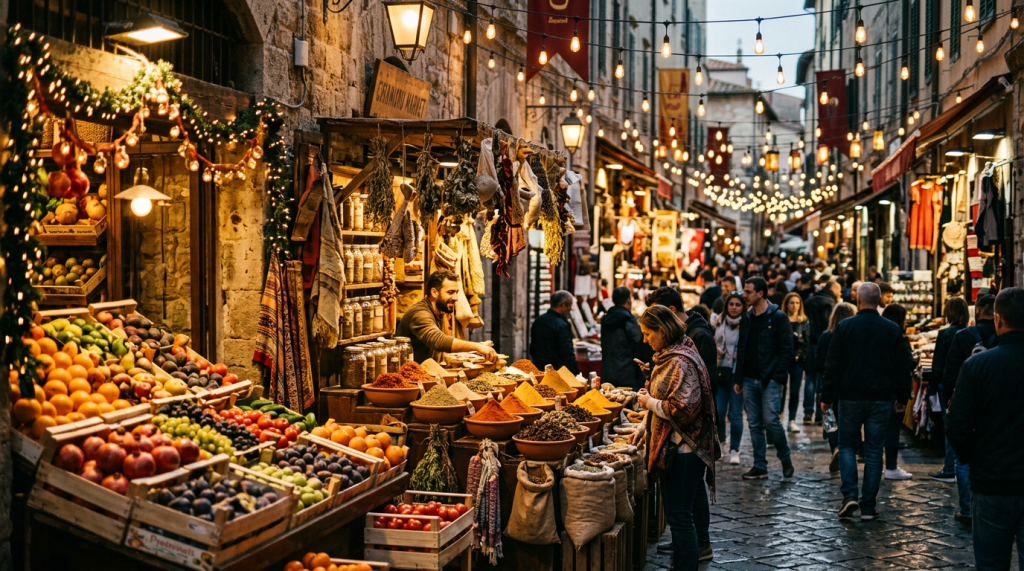
If you want food to be the highlight of your next trip, focus on experiences, not just restaurants.
Make bookings for farm trips, market tours, or cooking classes first. Interact with locals and learn about the food’s history through these activities.
Try to visit during food festivals or harvest seasons. You experience traditions and ingredients that aren’t available at other times.
Support local companies, not the big foreign ones. The best experiences for the local economy and the most authentic are often with small food producers, local restaurants, and family farms.
Last but not least, be smart with the company choices. Look for the ones that value sustainability, ethical sourcing, and community support. Travel priorities have shifted toward practices that benefit humanity and the environment. (Euromonitor)
More Than a Meal
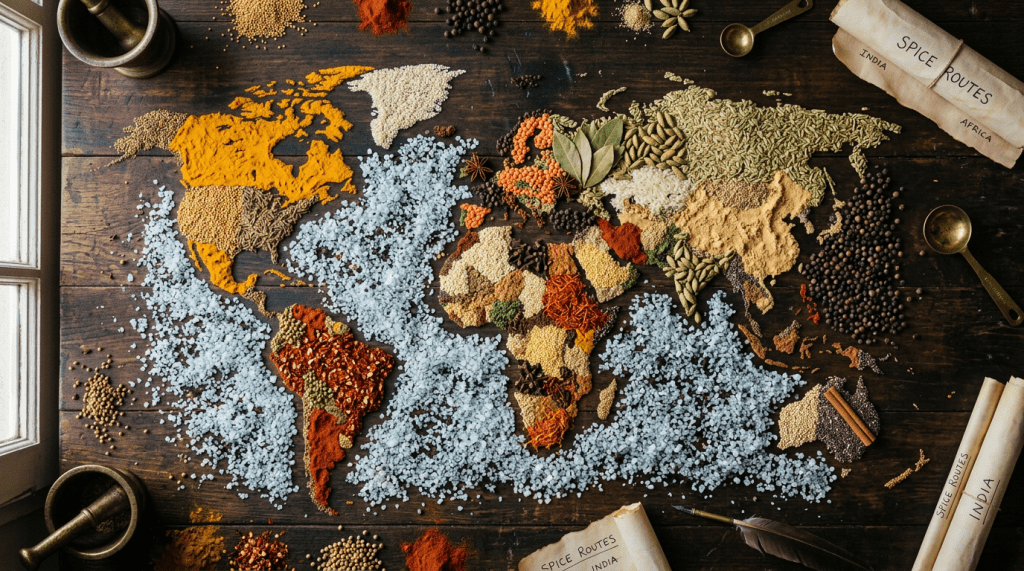
It’s not simply the food that makes culinary travel worthwhile.
Sharing a meal with strangers often creates friendships. Learning a family recipe promotes an appreciation for practices that differ from your own. Seeing how food is grown and made builds respect for local communities and cultures.
Such experiences can change our perspective on the world. They remind us that, regardless of our differences, it’s a unifying factor.
As travel advances in 2026 and beyond, more travelers seek authentic, meaningful, and unique travel experiences. Food is at the center of this shift because it allows you to interact directly with locals, something that no landmark can provide. (Euromonitor)
The next time you make travel plans, follow your hunger. You might discover that the lunch you share at a local table is more memorable than the view from a famous monument.




 Sure Media Magazine
Leave a comment