
Introduction
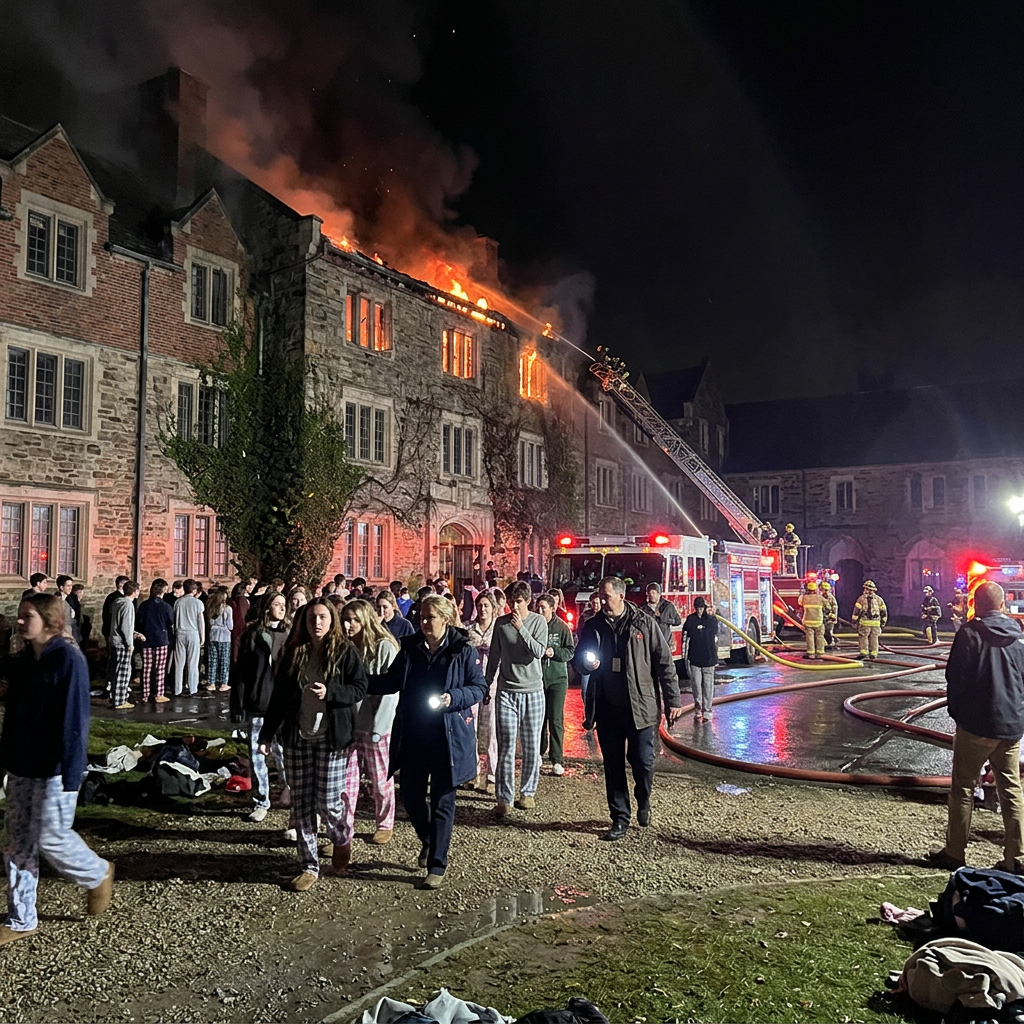
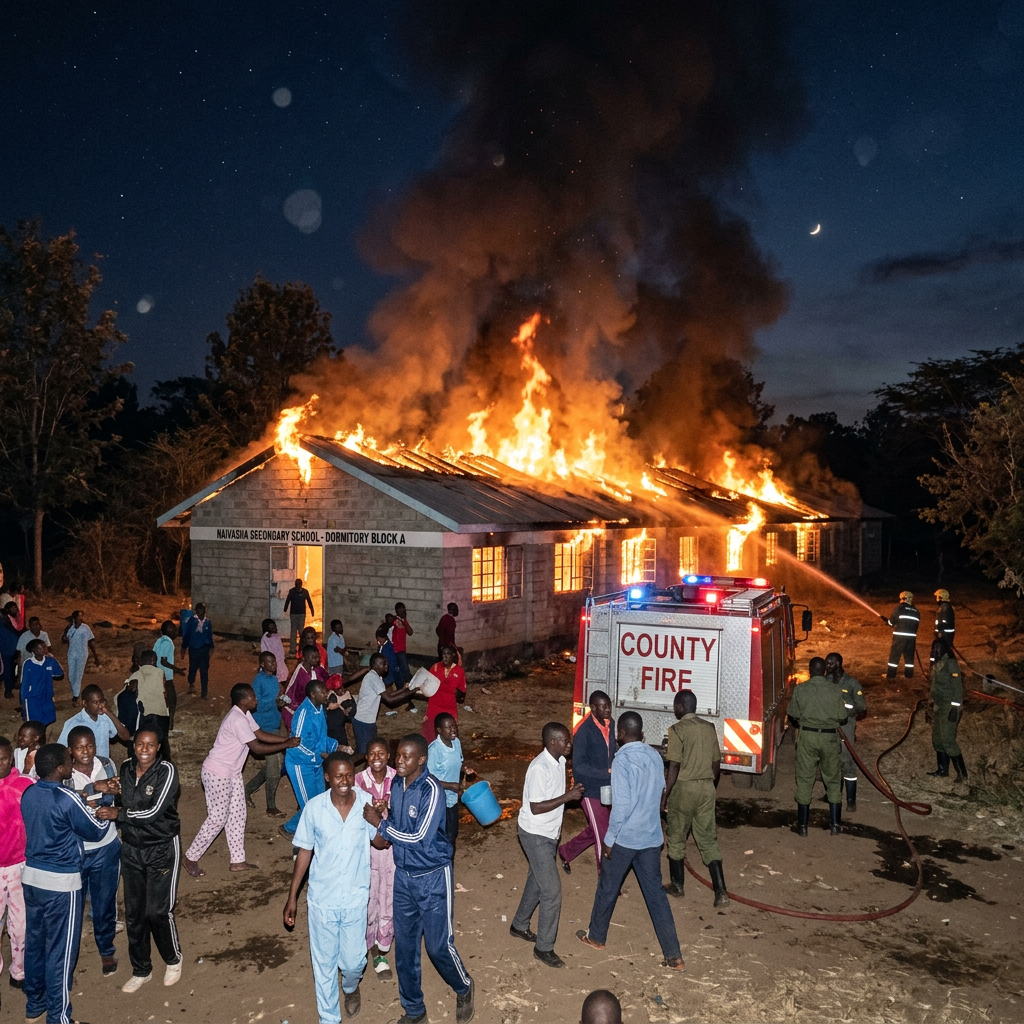
In recent years, Kenya has seen an alarming trend of school strikes and school dormitory fires, especially in secondary schools. The incidents have led to the loss of property worth millions of shillings, disruptions of learning, injuries, and, in some instances, deaths. Although specific factors may vary in each incident, these events recur and prompt important questions concerning the issues confronting students and schools in today’s times.
The Growing Concern
Restive situations have not been uncommon in schools in Kenya. But there has been a resurgence of strikes in recent years, with arson attacks on dormitories, classrooms, and other school facilities. They usually happen when children are being tested, immediately after discipline, or when they are not getting their concerns looked after.
These fires are not only destroying physical structures but also are taking an emotional toll. Students may be moved to other schools or dismissed, parents may have an unanticipated financial burden, and learning is interrupted.
The reasons why school strikes could happen.
There have been a number of factors attributed to student unrest in Kenyan schools:
1. Communication Gaps
Many students feel that their opinions and concerns are not sufficiently heard by school administrations. If there is not a strong flow of communication for discussion, frustration can accumulate and result in unhealthy conduct.
2. Academic Pressure
As pressure on learners to perform well in national exams grows, this can cause them to experience a great deal of stress. Many students find their workload and/or the demands placed on them by teachers, parents, and society too much to handle.
3. Disciplinary Issues
Discipline, rules, and restrictions on the freedom of the student can sometimes lead to an outbreak of disorder at school, particularly if students feel that discipline is unfair.
4. Peer Influence
Peers have a significant impact on young people. Sometimes a few pupils may encourage others to take part in strikes or damage property and cause widespread destruction.
5. Mental Health Challenges
Emotional and psychological growth is an essential part of adolescence. If students don’t have adequate support systems, anxiety, depression, family issues, and social pressures can impact their behavior.
The Impact on Education
School strikes and fires have far-reaching consequences:
Loss of life/death
Damage to good education facilities.
Loss of learning time due to school closures.
A rise in expenses for parents and government.
Pupils and staff experiencing psychological trauma.
Loss of confidence in school safety and management.
A significant amount of the resources traditionally dedicated to repairing damaged facilities may be used to enhance learning facilities, technology, and educational programs.
The Way Forward
School unrest can be resolved only through a joint effort of students, teachers, parents, school boards, and the government.
Strengthening Student Engagement
Schools should provide opportunities to discuss concerns and to engage in decisions to influence student well-being.
Supporting improvement of guidanceand counseling..
Professional counseling services may be available to help students deal with stress, emotions, and disagreements in a way that does not lead to disturbances.
Promoting Positive Discipline
Correction, understanding, and personal growth should be the emphasis of the disciplinary procedure and should be fair and respectful.
Improving School Conditions
The above can help to minimize sources of dissatisfaction in the school if adequate facilities are provided, student welfare issues are addressed, and there is a safe learning environment.
Encouraging Parental Involvement
Parents need to be collaborators with schools and have open dialogue with children about school difficulties.
Conclusion
The strikes by children in schools and fires in the dormitories in Kenya are a multifaceted problem that cannot be addressed by punishment measures. They indicate more serious issues of communication, pupil care, mental health, and school organization. Through dialogue, building support mechanisms, and creating a culture of responsibility among all stakeholders, Kenya can make schools safer and a learning environment more conducive. When students feel heard, supported, and empowered to contribute positively to the school community, education flourishes.





 Sure Media Magazine
Leave a comment