
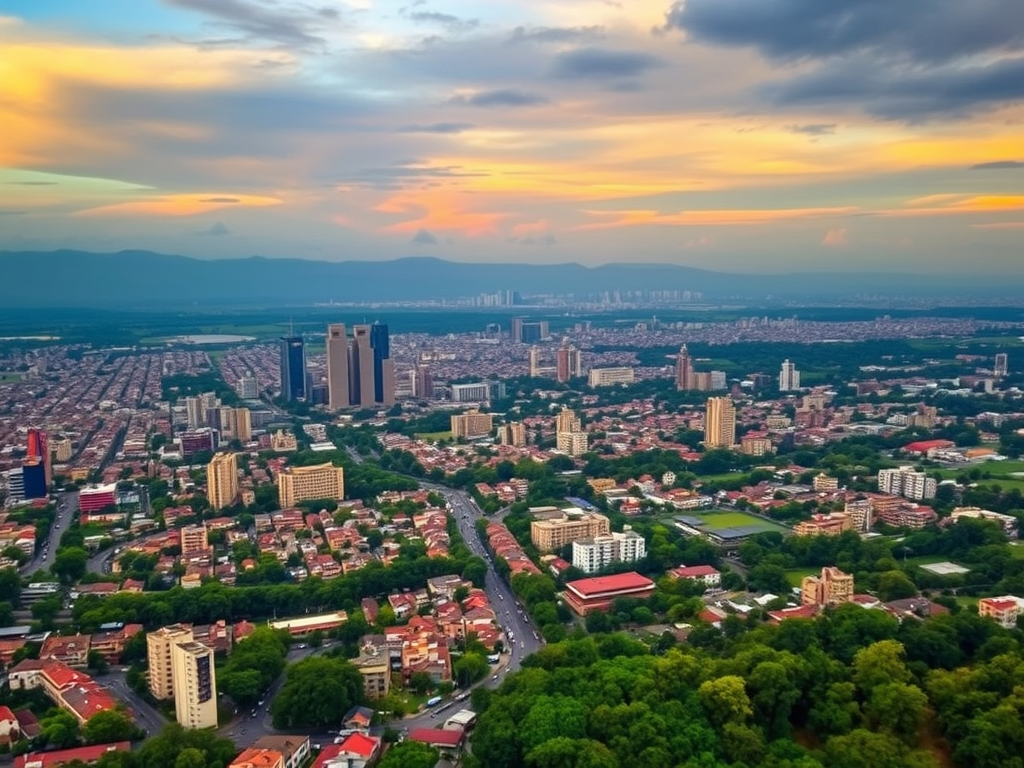
Kenya remains one of Africa’s most exciting travel destinations, known for its wildlife, beautiful beaches, rich culture, and welcoming people. From the Maasai Mara to the Indian Ocean coastline, the country offers experiences that attract travelers from all over the world.
As travel continues to evolve, tourists planning to visit Kenya in 2026 need to be well prepared. Understanding entry requirements, local customs, safety basics, and everyday life can make the difference between a stressful trip and a memorable one. This guide highlights the most important things tourists should know before visiting Kenya to help them travel confidently and responsibly.
1. Visa and Entry Requirements
Most tourists visiting Kenya are required to apply for a visa before arrival. In recent years, Kenya has moved toward digital travel systems, and travelers are now encouraged to apply through official online platforms rather than on arrival.
Before traveling, tourists should:
- Confirm visa requirements based on their nationality
- Apply early to avoid last-minute delays
- Ensure their passport is valid for at least six months
Entry rules may change, so travelers should always check official government or embassy sources before booking their trip.
Pro tip: Keep a digital copy of your visa and passport on your phone for quick reference.
2. Best Time to Visit Kenya
Kenya is a year-round destination, but your experience can change a lot depending on when you visit. Choosing the right season helps you enjoy more and spend less.
Generally, Kenya has two main seasons:
- Dry season (June to October & January to February)
- Best for wildlife safaris
- Easier road travel
- Clear skies and great photo opportunities
- Rainy season (March to May & November)
- Fewer tourists and lower prices
- Greener landscapes
- Some rural roads may be harder to access
If you’re visiting for the first time, the dry season is often the easiest and most comfortable option.
Extra tip: Some travelers like to combine wildlife safaris in the dry season with coastal beach trips in the rainy season, as rain usually doesn’t last the whole day. More details here
3. Cultural Etiquette, Local Customs & Greetings
Kenya is culturally diverse, with over 40 ethnic communities. Locals are friendly, but respect goes a long way. Small gestures can make your trip more enjoyable.
Here are a few things tourists should know:
- Greetings are important — a simple “hello” is appreciated
- Dress modestly in rural areas and public spaces
- Always ask before taking photos of people
- Respect local traditions and religious spaces
Local greetings you can use:
- Swahili: “Jambo” or “Habari” → general hello/good day
- Luo: “Amosi” → friendly greeting in Luo-speaking areas
- Kikuyu: “wihii” → casual hello
- Maasai: Nod and handshake (often without words)
Using a few local words shows effort and instantly makes interactions warmer. More details here
4. Safety and Health Tips
Kenya is welcoming to tourists, but like any destination, basic awareness matters.
To stay safe:
- Keep valuables secure, especially in busy areas
- Use registered taxis or trusted transport services
- Avoid walking alone late at night in unfamiliar places
- Have travel insurance for peace of mind
For health:
- Carry basic medication
- Drink clean or bottled water when advised
- Check recommended vaccinations before traveling
Extra tip: Mosquito repellents are handy if you’re visiting wildlife areas or coastal regions. Check the official travel health advice here.
5. Money, Payments, and Internet Access
Kenya has one of the most advanced mobile payment systems in Africa, making daily life easier for travelers.
Here’s what to expect:
- Mobile money (like M-Pesa) is widely used for small payments
- Cash is still useful in rural areas
- Major cities accept cards in hotels and restaurants
- Internet access is available in most towns and hotels
Pro tip: Keep some cash for local markets or tips — not all small vendors accept cards. Tourists often find Kenya to be surprisingly convenient and well-connected.
6. Local Experiences You Don’t Want to Miss
If this is your first visit, try to mix famous attractions with off-the-beaten-path experiences:
- Watch the Great Migration in the Maasai Mara (July–October)
- Explore Lamu Island for the historical Swahili culture
- Taste local dishes like ugali, nyama choma, and sukuma wiki
- Attend a local market — you’ll get souvenirs and see everyday life
Sharing these moments with locals gives your trip a richer, more authentic feel.
Visiting Kenya for the first time can be an exciting, rewarding, and eye-opening experience. With the right preparation, tourists can enjoy the country’s natural beauty, vibrant culture, and warm hospitality without unnecessary stress.
By understanding the basics — from timing your visit to respecting local customs — travelers can experience Kenya not just as tourists, but as welcomed guests. With an open mind, a few local greetings in your pocket, and good planning, a trip to Kenya in 2026 can become a truly unforgettable journey.






 Sure Media Magazine
Leave a comment