

The city of Nairobi pulses with life each minute. From students going to school in the morning or employees heading to work and both groups going home in the evening, the city is always busy. This is especially evident at the street food stalls serving street food.
On every corner, there is a food vendor with their cart. Smokies, smochas and eggs are always on the menu. Smokies are ready to eat sausages, while smochas are smokies wrapped in chapatis. These are consumed day and night, whether its under the scorching sun or in the glow of streetlights. They are cheap, hyper-processed, and engineered for cravings. These foods fuel anyone seeking a bite of indulgence in the city’s constant rhythm.

Smokies, and boiled eggs can be served alone or sliced open and served with kachumbari, tomato, ketchup, choma and chilli sauces. Smochas, on the other hand, are served with kachumbari, and always drenched in the sauces, wrapped in a chapati. Kachumbari is a mix of chopped onions, tomatoes and coriander with chillies added for extra spice. Chapati is unleavened wholewheat flat bread. The kachumbari is the highlight of most street food in Nairobi.
These food choices might seem trivial to outsiders, but for Nairobians, they are more than food. They are emotional crutches, urban rituals, and cultural indulgences. We don’t eat them simply because we’re hungry; we eat them because of craving the sensory rush, the grease, the spice, and the ritual itself.
In the city, workdays are long and nights are often longer. Smokies and smochas serve as both comfort and vice.
Street Food as Urban Ritual

Stalls selling street food operate from early morning until late at night. Vendors stand over their food carts with hot charcoal jikos at the bottom, preparing kachumbari, flipping smokies, and wrapping them in chapatis, or shelling eggs while customers queue patiently at all hours. From school children grabbing a quick afternoon snack to late-night revelers seeking post-party indulgence, the appeal spans generations and schedules.
For the vendors, smokies, smochas and eggs are both livelihood and performance. “Customers come to me day and night. It’s not just hunger, it’s habit, comfort, craving and affordability of food,” says Mary, a street vendor in Nairobi CBD for the past five years. Watching customers bite into the hot, greasy rolls, it’s clear why: the crunch, the heat, the tang of ketchup and chilli, it’s immediate, visceral pleasure.
Engineered Craving

These street foods are carefully designed to be irresistible and insatiable. The sodium, fat, and dough spike dopamine in the brain instantly. Their affordability makes them easily accessible to anyone all day, while the heat and spice ensure a sensory thrill with every bite.
Nutritionists may caution against daily consumption due to the high sodium, fat and starch contained in smokies, but Nairobians embrace smokies, smochas and eggs as comfort, ritual, and indulgence. Whether it’s during tea time, or lunch break, as an afternoon snack, or a midnight feast, the routine is the same.
The Social Life of Street Food

Smokies, smochas and eggs are rarely eaten alone. At midday, office workers cluster around kiosks, swapping stories with the vendor or strangers between bites. In the evening, students and night-shift employees form lines under the glow of streetlights. These snacks operate at the intersection of necessity and vice. They fill stomachs, soothe nerves, and cultivate a sense of shared urban experience.
Vendors rely on returning customers, creating a micro-economy that thrives on indulgence. Every transaction sustains both seller and consumer, cementing the snack’s status as both comfort and addiction.
A Visually Arresting Experience
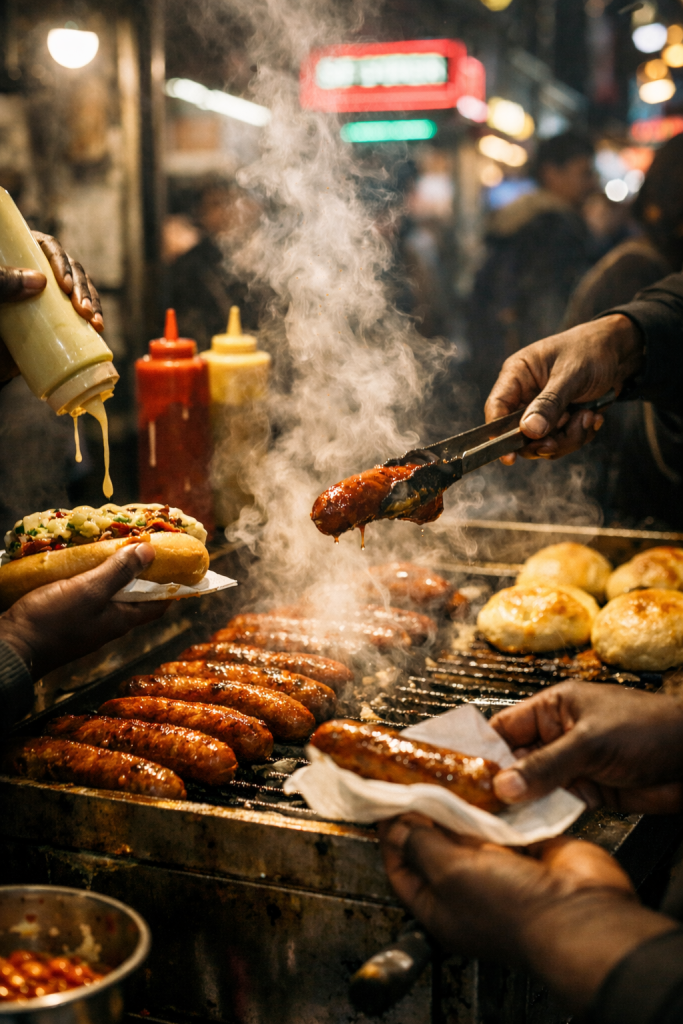
Photographers find endless drama in these streets. Sunlight or neon illuminates steaming grills, dripping sauces, and eager hands. The texture of golden dough, the gloss of sausages, and the smoke curling into the sky turn everyday indulgence into a visual spectacle. Each bite, each flip of the sausage, is a story of craving, habit, and satisfaction.
Cultural Significance
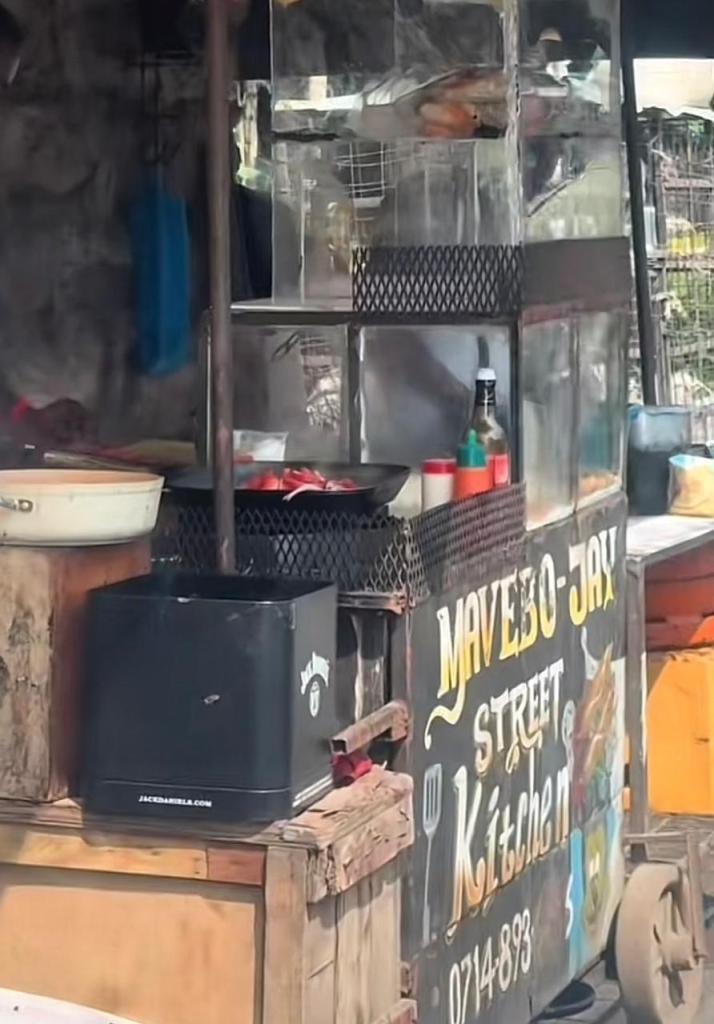
What elevates smokies and smochas beyond simple street food is their embeddedness in Kenyan life. They reflect the pressures and pleasures of urban existence, offering cheap indulgence at any hour. They are a counterpoint to fine dining and globalised food trends, showing that the power of food lies in ritual, accessibility, and indulgence.
These snacks embody the paradox of vice. We indulge knowingly, yet happily. We crave what may not be good for us, yet it defines us. Smokies, smochas and eggs are habit, thrill, and rebellion rolled into one, a culinary vice for all hours of the day.
Urban Mirror
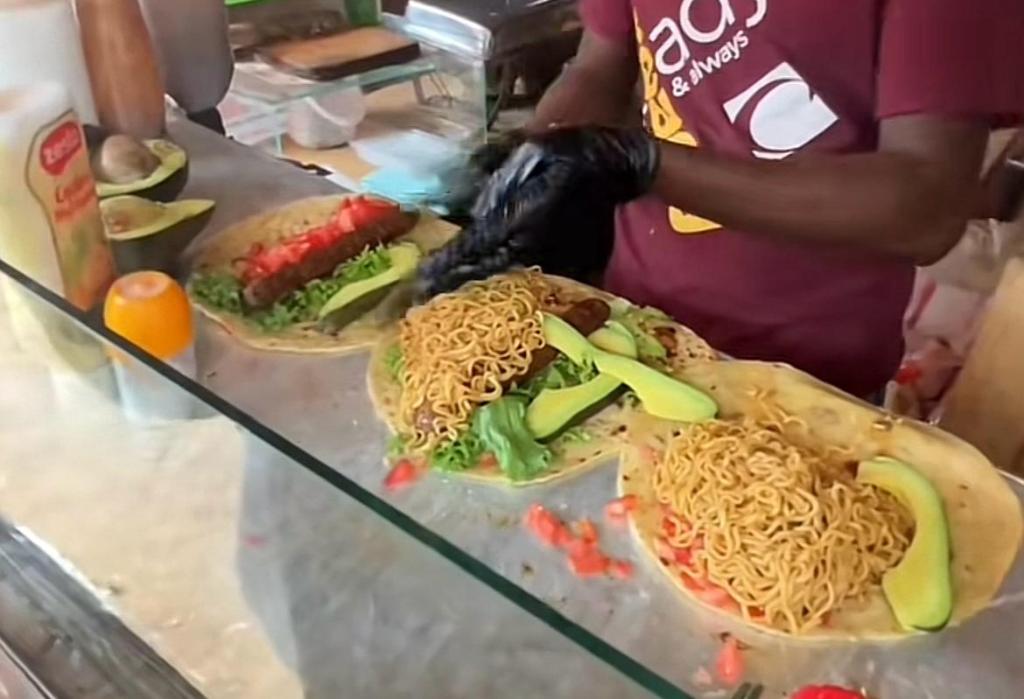
Smokies, smochas and eggs provide a lens into Nairobi’s culture, its endless hustle, its hunger for pleasure, and the human craving for small indulgences. Morning, noon, or night, the street stalls testify to the enduring allure of cheap, messy, and addictive food. Every bite tastes of grease, spice, and rebellion. Every queue tells a story of ritual, habit, and human desire.
In Nairobi, smokies, smochas eggs are more than street food. They are an all-day vice with a heartbeat: indulgent, addictive, and deeply human.






 Sure Media Magazine
Leave a comment