
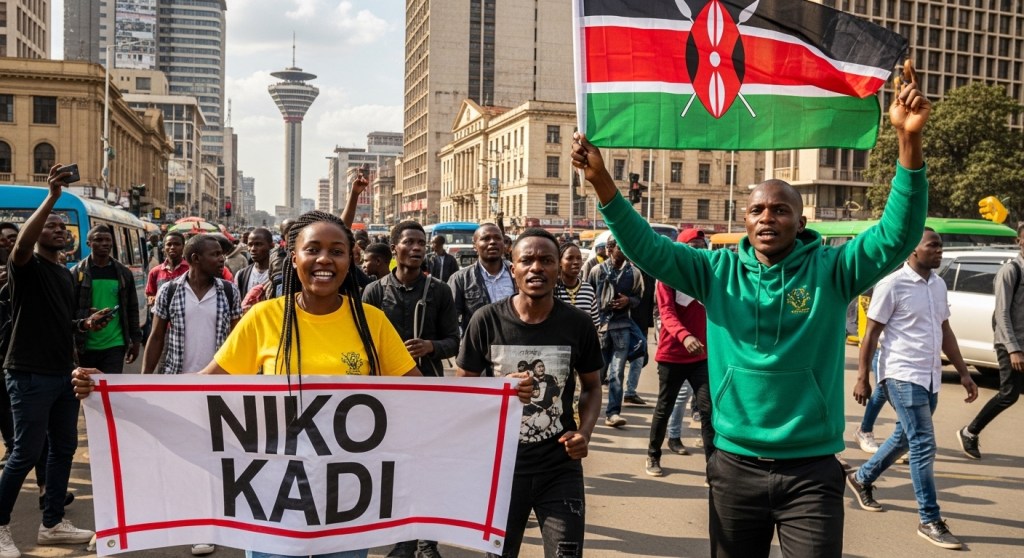
In every election cycle in Kenya, politicians promise young people jobs, innovation, and empowerment. Yet after elections, many young people feel unheard and excluded from decision-making. The irony is that young people are not powerless. They are the largest demographic in the country and potentially the most influential voting bloc. The real issue is not a lack of numbers but a failure to convert those numbers into votes. In a democracy, votes are the voice of change, and the youth in Kenya have the numbers to determine the outcome of the next election if they register and vote.
The Power of Numbers in Elections
Numbers determine elections. The group that registers and votes in large numbers decides leadership. Kenya has a largely youthful population, and young people form a significant portion of eligible voters. During the last election cycle, Kenya had more than 22 million registered voters, yet millions of eligible young voters were still not registered.
The Independent Electoral and Boundaries Commission has repeatedly stated that young people are the majority of eligible voters and therefore can determine how the country is governed if they register and vote in large numbers. One electoral commissioner told young people, “You are the majority in the voting age, register and determine how you want your country to be run.”
This reality becomes even clearer in smaller counties such as Isiolo County, where elections are often decided by very small margins. In such counties, a few thousand votes can determine who becomes MCA, MP, Governor, or Women Representative. This means organized youth voters alone can determine election outcomes.
Voter Registration Is the Real Battlefield
Many people think elections are decided on voting day, but elections are largely decided during voter registration. If young people do not register as voters, they remove themselves from the election before it even begins.
Current data from the Independent Electoral and Boundaries Commission shows that voter registration numbers are still low compared to the targets set for the next election. The commission is targeting about 6.3 million new voters before the 2027 election, most of whom are expected to be young voters.
However, the registration numbers so far have been slow. In one recent registration report, the commission reported only 90,020 new voters registered in the Continuous Voter Registration exercise across the country by October 2025.
Some counties recorded extremely low numbers. For example, Isiolo County recorded only about 312 new registered voters in that period, which shows how low registration is in some regions.
The electoral commission has expressed concern about low youth registration and turnout, warning that low participation could reduce youth influence in future elections.
This shows that the real election is not on voting day. The real election is during voter registration.
The Myth of Youth Apathy
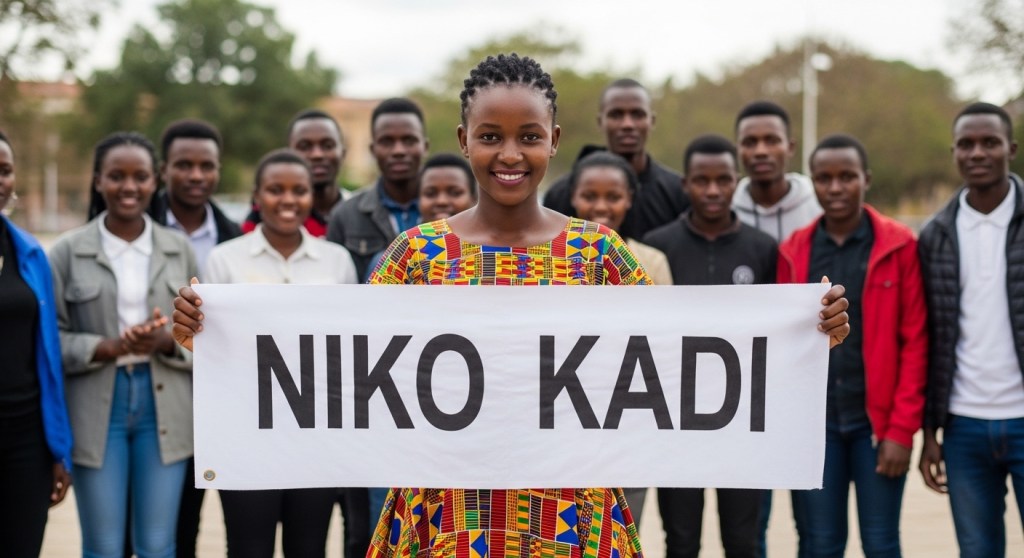
Young people are often described as apathetic or uninterested in politics. However, this is not entirely accurate. Young people in Kenya actively discuss politics on social media, participate in protests, and engage in discussions about governance. Their influence has been seen in national debates on governance, accountability, and economic issues.
The problem is not political interest but electoral participation. There is a growing gap between political conversation and political participation. Many young people discuss leadership online but do not show up at registration centres or polling stations. Closing this gap should be a major focus of voter education and civic education programs across the country.
Issue-Based Voting and the Future of Leadership
For the youth vote to truly influence change, it must be based on issues rather than identity politics or short-term incentives. Young voters must begin asking leaders serious questions about employment, education, technology, healthcare, infrastructure, and business opportunities.
When voting becomes issue-based, elections become about development and leadership rather than identity and popularity. This is how the youth vote can shift politics from personality-driven campaigns to policy-driven leadership.
The Cost of Not Voting
Not voting is not a neutral decision. It has consequences. When young people do not vote, leaders focus on groups that consistently vote. Policies and resources are then directed towards those groups. Voting, therefore, should not just be seen as a civic duty but as a tool for influence and representation.
Young people often complain about unemployment, lack of opportunities, poor infrastructure, and lack of support for innovation and business. Many of these issues are directly influenced by leaders who are elected through the voting process. Choosing not to vote is therefore choosing not to influence these decisions.
Votes are the voice of change. Those who vote decide leadership, budgets, policies, and development priorities.
Niko Kadi
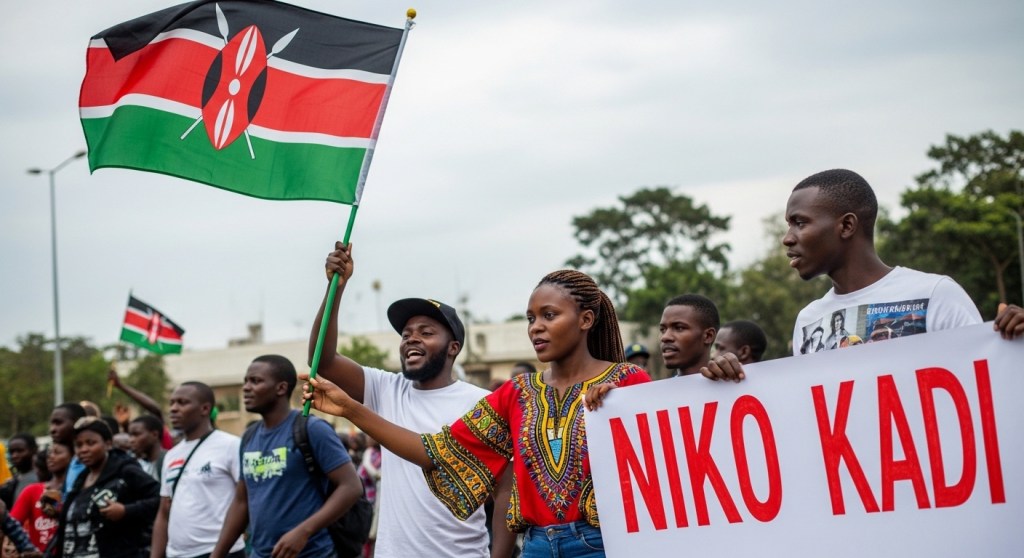
The youth vote in Kenya has the potential to shape the country’s political future. The numbers already exist. What is needed now is registration, participation, and issue-based voting. Elections are not decided by those who complain the most but by those who register and vote. If young people register and vote in large numbers, they will not just participate in the election. They will determine it.
As the next election approaches, the conversation should not only be about candidates and political parties but also about voter registration, civic education, and youth participation. Votes are the voice of change, and it is a voice that the youth of Kenya must learn to use if they want to influence leadership and development in their communities and in the country.




 Sure Media Magazine
Leave a comment