
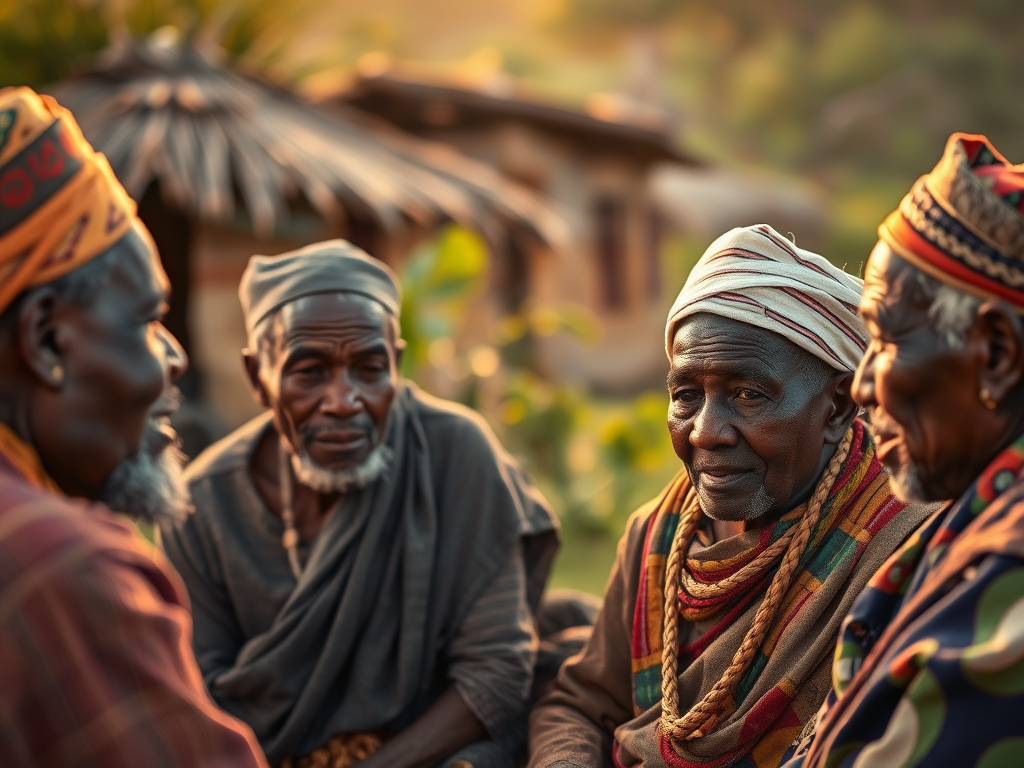
In the Mt Kenya region, cancer is often discussed long before a doctor is consulted. I have spoken to many people—elders, family men, women, and community members—who do not begin their explanations with genetics or chemicals. Instead, they begin with culture, marriage, dowry, and respect.
For them, illness is not only something that happens to the body. It is something that happens when social and moral order is broken. like brothers die in the order they were born, because of intestinal cancer because they didn’t give him what he asked when he was alive and until they do what’s right. They will all end in grave.
One belief I have encountered repeatedly concerns dowry. I was taught that I cannot receive dowry for my daughter if I have not completed dowry for my wife. If my daughter’s husband brings dowry while I still owe my wife’s family, I should not keep it. I should take it directly to my wife’s parents. Only then can we live a spiritually balanced and healthy life.
In this cultural understanding, dowry is not wealth. It is a moral flow. When a man receives honor from his daughter’s marriage while still owing honor elsewhere, that imbalance is believed to follow him into his body. Many people associate this with stomach cancer, because the stomach is seen as the place where sustenance, legitimacy, and acceptance settle.
Food and drink carry similar meaning. Eating before one’s in-laws is not just rude—it is a serious reversal of respect. When illness appears years later, people look back and say the body remembered what manners ignored.
I have also heard explanations about drinking traditional beer brought by a son-in-law. If a man drinks it while never having taken such beer to his own wife’s parents, this is seen as accepting recognition without having earned it. Throat cancer is then linked to the act, because the throat is where undeserved honor entered the body.
There are also beliefs tied to ancestry, especially concerning women’s bodies. In some families, great-grandmothers are said to have declared that no woman born into or married into the family should undergo female genital mutilation. This instruction is treated as binding spiritual law. When it is violated, reproductive cancers are sometimes explained as ancestral consequences. The womb is viewed as sacred inheritance, protected across generations.
These explanations are not medical claims. But they are real in how they shape behavior. I have seen how they create silence, shame, and delayed hospital visits. Families often search for what was done wrong before they search for treatment. Elders and spiritual leaders are consulted before doctors.
This does not mean people reject medicine. Many accept treatment. But they interpret illness first as a moral issue, and only later as a medical one.
If we want to understand cancer in the Mt Kenya region, we must listen to these cultural narratives. Not to endorse them as science, but to recognize their power. Health is not only biological here. It is social, spiritual, and deeply connected to how people believe life should be lived.



 Sure Media Magazine
Leave a comment