
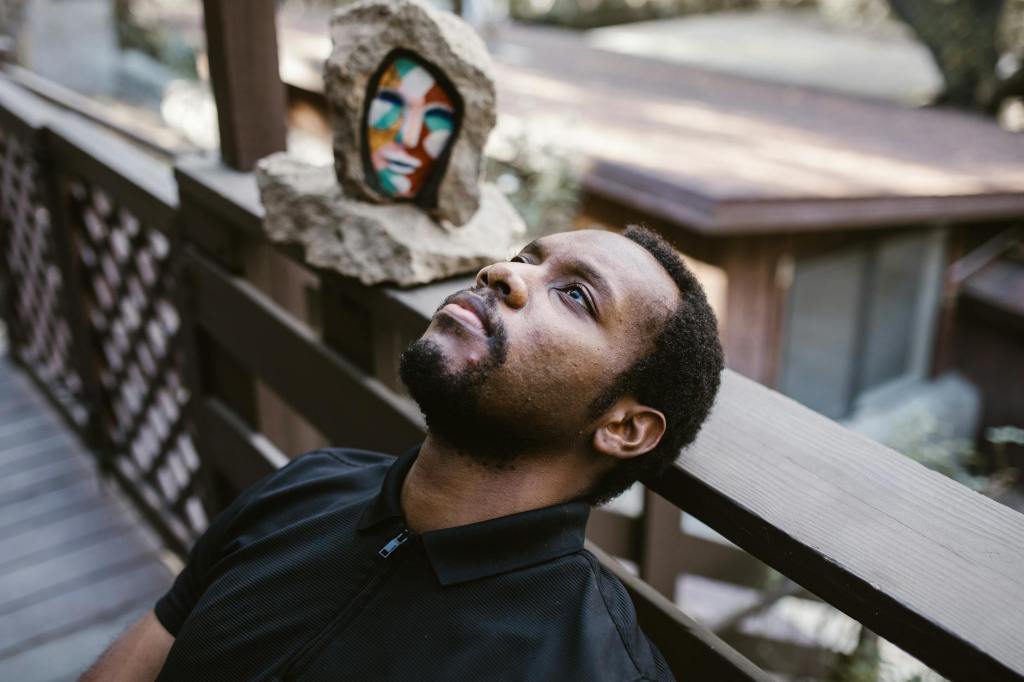
The paradoxical parody
Wallowing in pain—so much of it that it becomes almost tangible, yet still elusive and undefined—she chose the only way she knew: suicide
I have tried to understand the idea of death, and by consensus, it is the most feared thing in existence. Perhaps this fear is rooted in a deep, unexplainable desire for life—a yearning that both faith and science attempt to explain. Yet, to truly grasp life, we seem to need the help of the Divine, the Author of it all.
Everything around us—from plants to animals, even inanimate things—is driven by the instinct to survive. Nature itself births the concept of “survival of the fittest,” beautifully articulated by Charles Darwin. So, if all that exists is fueled by this drive, then what turns the tide so drastically that one begins to contemplate suicide?
This brings me to a sobering realization: the mind is fickle.
The Betrayal Within
Psychologists have studied the brain in an attempt to understand the mind. But this proves difficult—using the mind to expose the mind is a paradox. More often than not, the mind betrays us.
Something designed to preserve life becomes the very thing that seeks to end it. Whether this is a twisted form of self-preservation for the mind, I do not know. But I understand it best as betrayal—when the mind absconds its sacred duty to serve and protect.
So then, the greatest question of all arises: what right do we have to complain?
Do we even own our minds, or do our minds own us?
Are we in control of our thoughts, or are we at their mercy?
A brilliant girl, adorned in beauty and elegance, falls to the enticing whispers of despair—not whispers from without, but from within. Fifty pills pushed down her throat, and for convenience, all reasoning is shut down. The gag reflex turned off. Convinced that this is the way to go, caressed by the “soothing” arms of deceit, she is carried away to a land strange to light.
Oh, what a treacherous thing the mind can be.
Salvation at a Glance
Yet there is hope. Even though a tree is cut down, it will sprout again.
We may never fully understand the mind. However deeply we study the brain, it is merely the act of dissecting the physical to comprehend the spiritual—a fool’s errand, perhaps. But maybe the goal is not to understand the mind. Maybe the goal is to redeem it from condemnation.
The goal is a healthy mind—a mental wellness that defies the odds of inward betrayal. A system that resists the unseen forces of despair. A revolution that breaks the chains of silent suffering, so that the visible—our lives, our communities—can enjoy the freedom of peace within.
The Redemption
This is not a fight we win by wits. It is a war we overcome through influence, love, presence, security, and care.
Betrayal only works to the degree of isolation, so let us be there for a brother, show up for a sister in need. The struggle is unseen—the struggle is within. Mental health matters.
Psychologists have done their part; now it’s our turn. The ghost of mental illness is real, haunting even the most religious among us. None is exempt.
And so—we must protect.





 Sure Media Magazine
Leave a comment