
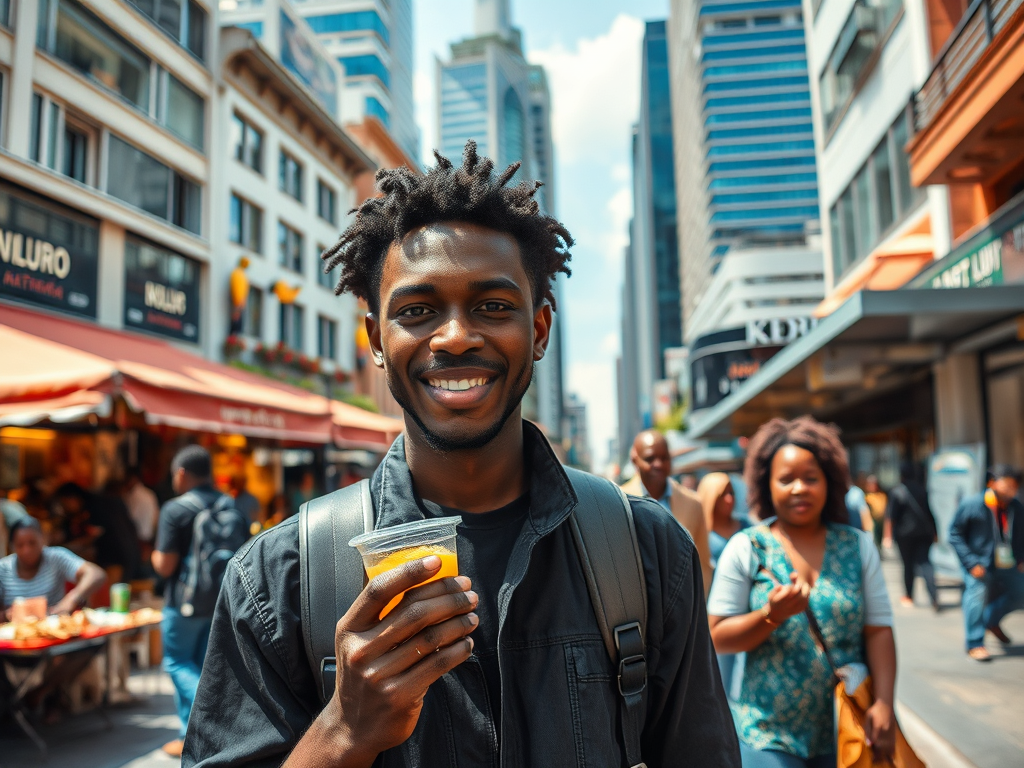
For decades, the world has consumed a carefully curated version of Africa. One rife with charity appeals, crisis headlines, outdated documentaries and a persistent assumption of lack. Poverty over possibility. Chaos over complexity. Survival over joy.
Then a streamer (some may say “The Streamer”) pressed “Go Live.”
No narration. No aid organization framing. No dramatic background music. Just a young Black American moving through African cities in real time eating the food, walking the streets, reacting honestly. This 28-day, real-time journey across 20 African countries, including Ghana, Nigeria, South Africa, Kenya, Rwanda, Zambia and more, delivered something revolutionary: unfiltered, agenda-free glimpses of modern Africa through live streams on his social media accounts. And suddenly, millions were seeing something unfamiliar: an Africa that looked calm, clean, modern, welcoming and deeply human.
iShowSpeed’s ongoing African tour has done more than entertain. It has quietly disrupted decades of narrative control.
A Livestream vs. a Legacy of Misrepresentation
Western media has long struggled to portray Africa without extremes. If it isn’t war, it’s wildlife. If it isn’t famine, it’s fundraising. Entire cities are reduced to footnotes, entire cultures flattened into clickbait.
What makes iShowSpeed’s streams powerful isn’t intention, it’s absence of agenda. He isn’t trying to “rebrand” Africa. He’s simply reacting to what’s in front of him. Clean streets. Smooth highways. Skyscrapers. Malls. Cafés. Nightlife. Organized chaos instead of disorder. Warmth instead of threat. In South Africa, he explored vibrant neighbourhoods in Johannesburg and Cape Town, marveling at the infrastructure and energy. In Kenya, his Nairobi streams highlighted the city’s greenery, mix of old and new architecture and dynamic pace – making it clear that Nairobi is a global hub with its own unique rhythm.
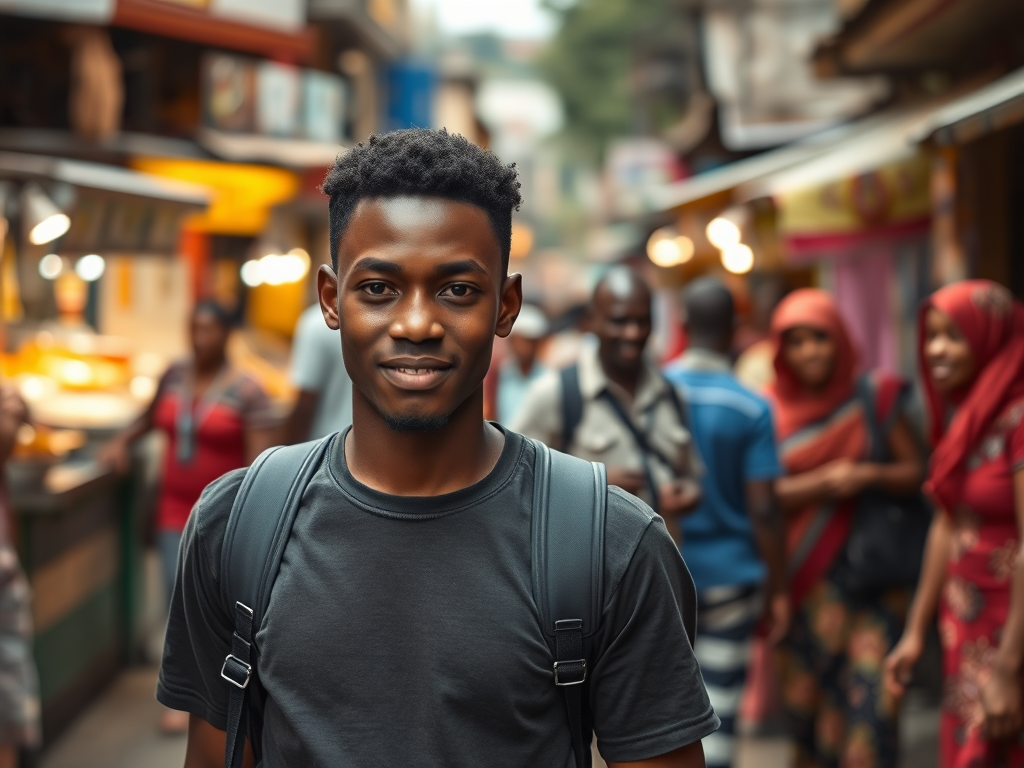
“The Food Is Better” — And That Matters More Than It Sounds
One recurring theme throughout the streams has been food. Not novelty. Not survival meals. But enjoyment.
He keeps saying it: the food is better.
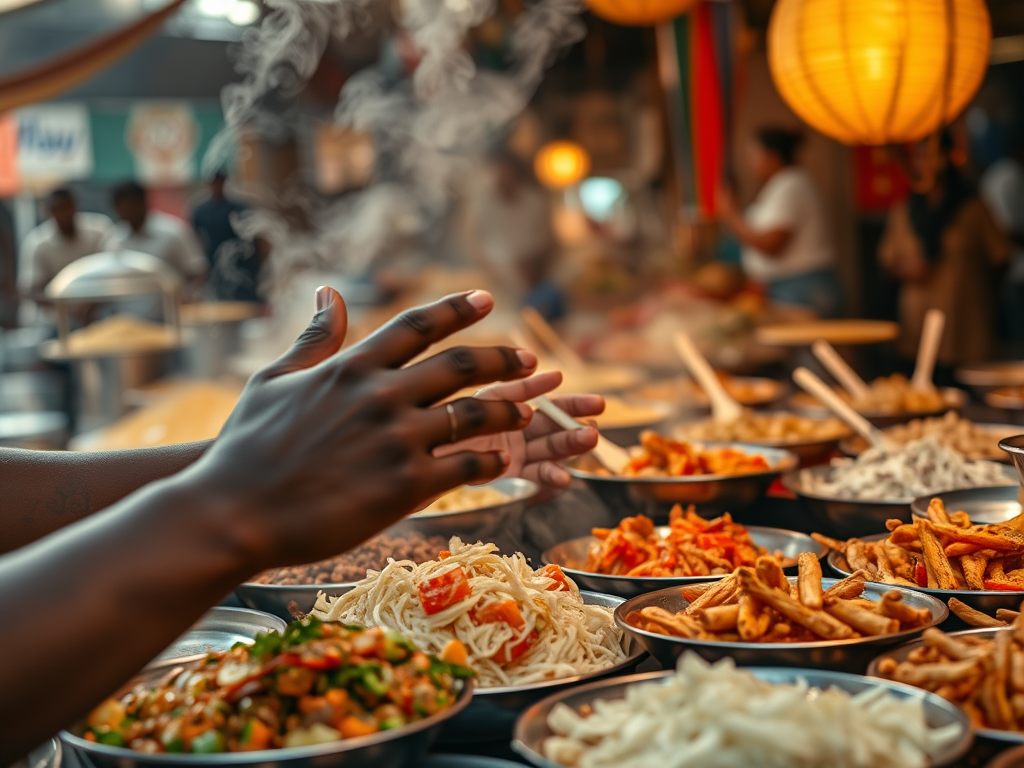
Better flavor. Better freshness. Better portions. Less processed. More communal. More intentional. From trying local delicacies in Zimbabwe (like street food challenges that went viral) to sampling dishes in South Africa (such as koeksisters) and Rwanda, his reactions underscored care, heritage, and quality of life.
Food is culture at its most intimate. When someone consistently praises the food of a place, they’re unconsciously acknowledging care, heritage, and quality of life. This isn’t about Michelin stars. It’s about nourishment—physical and emotional.
For many viewers, especially those in the West, this clashes sharply with the image of Africa as a continent perpetually dependent on aid. You don’t associate “better food” with desperation. You associate it with abundance. And that contradiction forces a mental reset.
Clean, Developed, Functional – The Shock No One Expected
Another quiet disruption: cleanliness.
Well-paved roads. Modern buildings. Organized traffic. Maintained public spaces. Functioning infrastructure. Cities that look lived-in, not left behind.
In Nairobi, the contrast was particularly striking. The greenery. The order. The mix of old and new. The pace. Kenya didn’t look like a “developing country” backdrop—it looked like a global city with its own rhythm. In Rwanda, Kigali’s exceptional organization, safety, and cleanliness earned special praise. Nairobi showcased ambitious projects like the Talanta Stadium (viewed in awe from a helicopter) and the Nairobi Expressway, blending innovation with natural beauty .
This isn’t to deny Africa’s challenges. It’s to reject the idea that challenge defines the whole. Many African cities today are living contradictions: informal yet efficient, modern yet rooted, fast-growing yet deeply communal. Livestreams capture that better than any editorial ever could.
A Different Kind of Peace and Belonging
Perhaps the most telling change hasn’t been what iShowSpeed says—it’s how he looks.
He has always appeared confident, animated, and in control. But in Africa, there’s a noticeable shift. A softness. A steadiness. A different type of ease.
Not the peace of luxury or isolation—but the peace of belonging. Of not standing out. Of not being read as a threat. Of not having to overperform identity.
In Africa, being Black doesn’t make him exceptional. It makes him part of the environment. And that quiet normalization seems liberating.
There’s no hyper-surveillance. No constant suspicion. No racialized anxiety. No fear of being misread—a fear he has openly encountered elsewhere in the world. That absence alone can feel like freedom.
Fame Without Frenzy
Another unexpected contrast: how people respond to him.
In many countries, fame invites chaos—chasing, swarming, entitlement, aggression. In Africa, the reaction has been different. Surprise. Joy. Genuine excitement. But rarely entitlement.
People smile. Wave. Laugh. Take photos when appropriate. Then move on.
There’s admiration without possession. Recognition without invasion.
Even his security detail appears more relaxed. Less tension. Less crowd control. Less constant anticipation of escalation. It’s not that Africans don’t care—it’s that they care differently.
The Quiet Power of Representation Without Performance
What makes this moment culturally significant is that it isn’t driven by governments, campaigns, or curated influencers. It’s driven by accidental honesty.
A livestream doesn’t editorialize. It exposes.
And exposure is powerful when the truth has been hidden in plain sight.
Africa doesn’t need saving optics. It needs accurate ones.
Millions are now seeing:
- That Africa is not one story
- That development exists alongside tradition
- That joy doesn’t require permission
- That dignity isn’t imported
For many viewers—especially those in the African diaspora—this has been validating. For others, unsettling. Because correcting perception also means confronting how wrong you were.
Why This Moment Feels Bigger Than a Stream
This isn’t just about iShowSpeed. He’s a catalyst, not the conclusion.
What’s happening is a broader reckoning: social media is bypassing gatekeepers. The old storytellers are losing monopoly. Real-time Africa is now visible to anyone willing to look.
And once you see it, you can’t unsee it. And you should not have to unsee it.
Africa is not asking to be reintroduced. It is being rediscovered – on its own terms.
Seeing Clearly for the First Time
The most radical thing about this moment isn’t the content. It’s the calm.
No spectacle. No pity. No shock value.
Just people living. Cities functioning. Cultures thriving. A continent breathing.
The Africa they never showed you wasn’t hidden because it didn’t exist.
It was hidden because it didn’t fit the story.
Until someone pressed “Go Live.”




 Sure Media Magazine
Leave a comment