
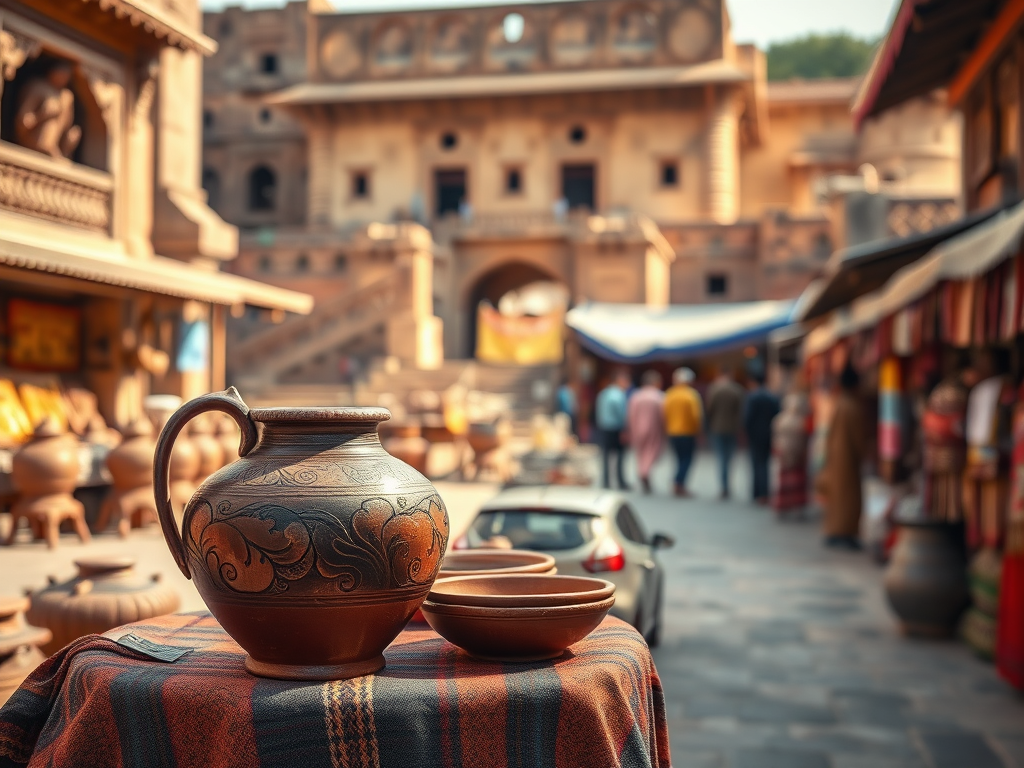
In a world shaped by rapid innovation and ever-changing trends, beauty is often seen as temporary. What is admired today may be forgotten tomorrow. However, across cultures and civilizations, tradition continues to play a vital role in preserving beauty across generations. Through customs, craftsmanship, rituals, and cultural values, tradition ensures that beauty remains meaningful, authentic, and deeply rooted in human experience.
Understanding Tradition and Timeless Beauty
Tradition represents the collective knowledge, beliefs, and artistic expressions passed down through generations. It serves as a cultural blueprint, guiding how beauty is created, appreciated, and preserved. Traditional beauty is not defined solely by appearance; it is shaped by history, symbolism, and purpose. This depth allows beauty to transcend time and remain relevant even as societies evolve.
From ancient architecture and classical art forms to traditional clothing and ceremonial practices, tradition preserves beauty by embedding it within cultural identity. These elements reflect a shared understanding of aesthetics that has been refined over centuries.
The Importance of Craftsmanship in Preserving Beauty
One of the strongest pillars of tradition is craftsmanship. Traditional artisans dedicate years to mastering their skills, producing work that reflects patience, precision, and respect for materials. Unlike mass-produced goods, handcrafted items emphasize quality over quantity, making them enduring symbols of beauty.
Craftsmanship also preserves techniques that might otherwise be lost. When these skills are passed down, they protect cultural heritage and ensure that traditional forms of beauty continue to thrive in modern times.
Cultural Heritage and Identity
Tradition connects beauty to cultural heritage. Traditional songs, dances, textiles, and rituals allow communities to express who they are and where they come from. This connection gives beauty emotional and spiritual significance, turning it into a source of pride and belonging.
When individuals engage with their cultural traditions, they participate in a living history. Beauty becomes a shared language that unites generations, reinforcing social bonds and collective memory.
Passing Beauty Across Generations
The transmission of tradition is essential to preserving beauty. Elders play a crucial role in teaching younger generations not only how traditions are practiced, but why they matter. This transfer of knowledge ensures that beauty remains alive rather than frozen in the past.
As each generation adapts tradition to its own time, beauty evolves naturally. This balance between preservation and innovation allows tradition to remain dynamic and relevant without losing its essence.
Tradition in a Modern World
While modern trends prioritize speed and convenience, tradition offers stability and depth. Traditional beauty encourages mindfulness, sustainability, and long-term value. In an age of digital influence and fast consumption, tradition reminds us that beauty can be intentional and enduring.
Many modern designers, artists, and creators now draw inspiration from traditional aesthetics, blending old techniques with contemporary ideas. This fusion demonstrates that tradition and modernity can coexist, enriching beauty rather than limiting it.
The Lasting Value of Tradition
The power of tradition in preserving beauty across generations lies in its ability to protect meaning. It ensures that beauty is not reduced to a fleeting trend but elevated into a legacy. Through tradition, beauty becomes a bridge between past, present, and future-carrying stories, values, and artistry forward.
By honoring and preserving traditions, societies safeguard the beauty that defines their identity and pass it on with intention, care, and respect for generations to come.






 Sure Media Magazine
Leave a comment