
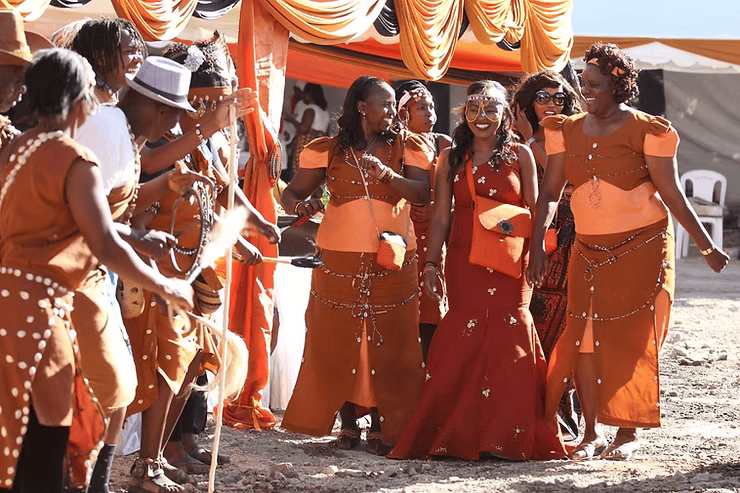
Kenya has over 40 ethnic groups, each with diverse culture, tradition, and dress. This is reflected in wedding clothes, as textile patterns, colors, beading, and materials used in wedding clothes have cultural significance. Although modern wedding clothes can be a link between Western wedding clothes like dresses and suits and African culture, it is a fashion that is common to see, especially during dowry/blessing events that derive their dress code from cultural heritage.
Here’s an in-depth examination of some of the most prominent traditional wedding attire in Kenya, as well as how these outfits are worn today.
Kikuyu Traditional Wedding Dresses
The Kikuyu people, who comprise the biggest tribe in Kenya, normally conduct the ruracio, or dowry ceremony, and the ngurario, or the wedding ritual. Modern fabrics, with designs that reflect the past, are increasingly being used as wedding attire.
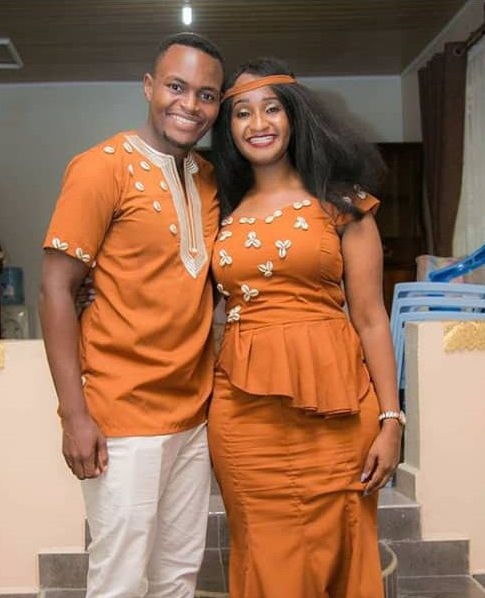
Bride’s attire:
- Typically, the wedding attire of a Kikuyu bride consisted of animal skin clothing, preferably goatskin, adorned with beads, cowries shell jewelry, and occasionally metalwork.
- Modern bride gowns may include African print or Maasai shuka material in shades of red, brown, and other colors that remind one of the Kikuyu highlands, or may be two-piece or long gown dresses.
- Beaded necklaces (mashokoshoko), earrings, and headbands are common. A brass/metallic bangle is a symbol of majesty. – There may also be a wrap or shawl, sometimes in designs influenced by the Kikuyu people, which is worn over the shoulders, representing protection from the new family in terms of warmth.
Groom’s attire
- Typically, a man of Kikuyu is clad in leather clothing and a cloak, symbolizing protection, carrying a spear and a shield.
- Today, the attire of the groom typically consists of an African shirt, known as Kitenge or an embroidered tunic, with matching pants. Others may wear a cloak or cape made of printed cloth. The beaded belts, wristbands, and the walking stick, complete the attire. The color scheme may range from natural earth reds, brown, cream, due to the farming heritage of the region, as well as fertility or prosperity symbolism.
Maasai Traditional Wedding Attire
The Maasai people are world famous because of the striking clothes they wear and the beading, and the wedding dress is especially striking.
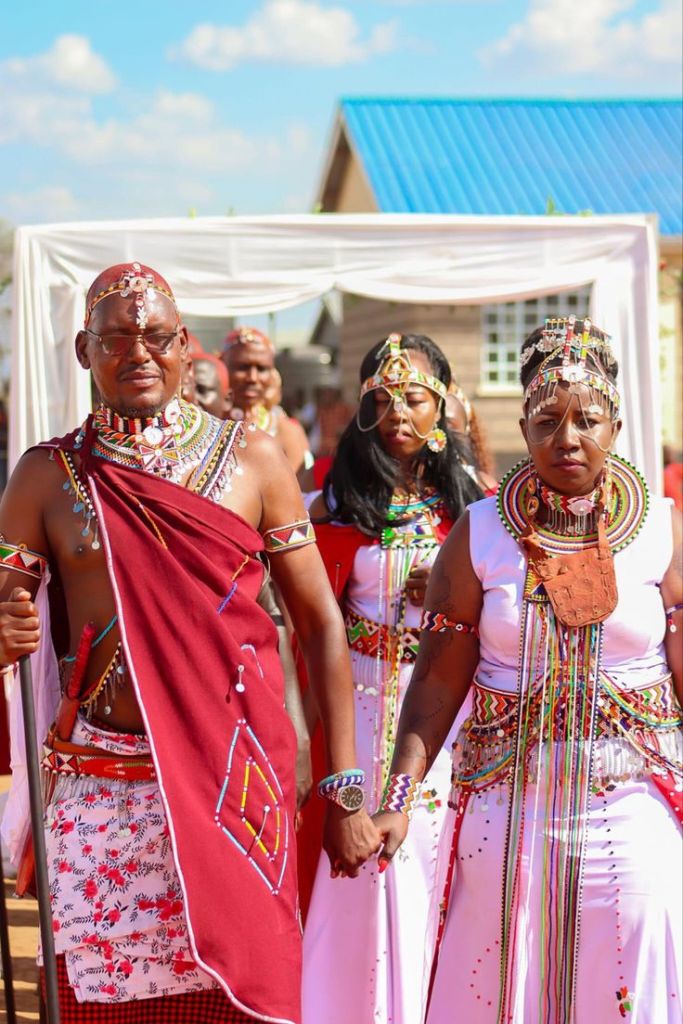
Bride’s attire:
Maasai brides are known to shave their heads, with red ochre mixed with oils being used on their heads as part of beauty practices. Although the practice has since been removed from modern city life, the signification still applies.
- The bride usually dons layers of colored shukas, especially red, as red depicts bravery, oneness, as well as protection.
- Elaborate bead work is the central part of the costume. This includes a large circular collared piece made of beads (in some cases so wide as to cover the shoulders), bead earrings, bead head bands, bead anklets, and belts around the waist. The designs of colors like red, blue, white, green, yellow, and black have different significances. For instance, white signifies purity and peace. Blue signifies the sky and the rainfall.
- A leather or beaded apron may be worn during some rituals that accentuate femininity and future fertility.
Groom’s attire
- The groom usually wears a red or checkered shuka draped around the body, and in some instances, an additional shuka serves as a cloak.
- Beading of accessories, necklaces, bracelets, and belts goes along with the attire, though with less elaboration than the bride has.
- Spear and rungu may as well be part of the regalia of warrior hood and the protective functions of the husband.
The sandals, made either from leather (or rubber tires, nowadays), add to the outfit. “TheMaasai wedding dress is not merely ornamental; every bead, every color, and every element is full of history and collective identity.”
Luhya Traditional Wedding Attire
The Luhya, one of the prominent groups in Western Kenya, have sub-tribes, which have similar wedding attire.
Bride’s attire:
The traditional attire of Luhya brides included animal skins or cloth garments, which had decorations of beads and metal accessories.
- Present-day brides also use kitenge or lesos (kanga), usually stitched into fitted dresses or skirts and tops. Bright and colorful patterns capturing the vibrancy found in Western Kenya are often favored.
- The use of head scarves and turbans made of identical material is common, often paired with beaded headpieces or metallic accessories. – The woman taking the wedding vow would also be dressed in a wrapper with Swahili proverbs inscribed at the borders.
Groom’s attire:
- The groom may wear an African shirt characterized by unique embroidery designs, together with matching trousers. In some cultures, the groom wears a long coat made of kitenge or plain fabric, designed in the style of the kaftan or agbada.
- Headwear such as hats/caps, including Kofia, would be allowed, particularly in relation to those with coastal/Muslim ties in the Luhya community.
Colors appear bright and festooned. Gilded colors, greenery, blues, and red pigmentation feature prominently. Clothing suggests a sense of celebration within communities and the coming together of family.
Luo Traditional Wedding Attire
The Luo people from Western Kenya, around Lake Victoria, also have their own ceremonial attire that includes *Ayie*, an acceptance of bride price.
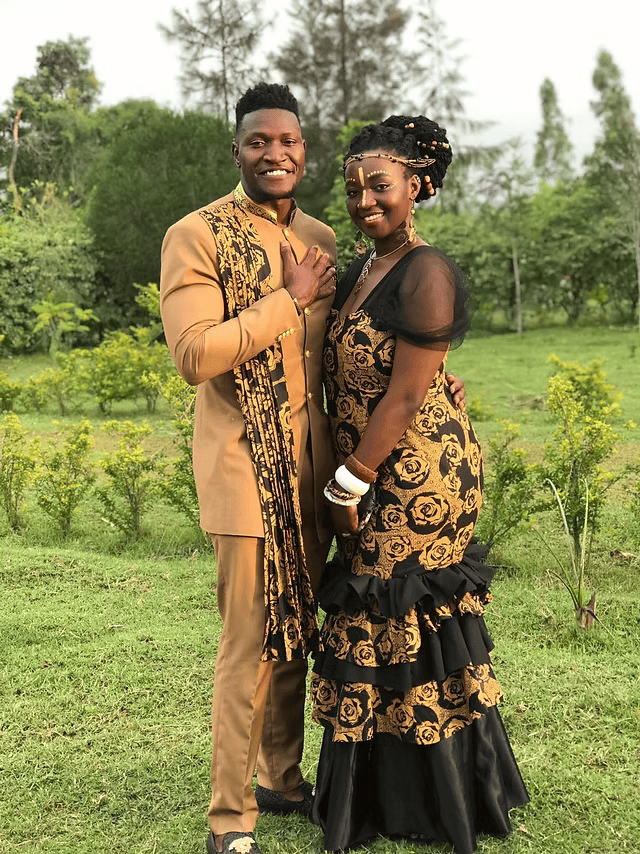
Bride’s attire:
- Traditionally, Luo bride webs wore simple dresses adorned with beads. Currently, most of them favor attractive dresses designed by Africans.
- Kitenge prints featuring bold and geometric patterns of blue, yellow, and red are very common. Others will want to wear the mermaid dress that incorporates both Western and African fabrics.
Beaded choker neckpieces, long necklaces, and earrings adorn the torso and can feature cowrie shells. – A shawl or a wrapper may be added for a traditional look. This is worn over one shoulder.
Groom’s attire:
- Modern Luo groomsmen tend to favor cuttingly tailored African suits or shirts with subtle prints, in line with the community’s known elegance and flair (otherwise known as “dongo” culture).
- The attire can come with a kitenge blazer and tunic that has embroidery designs along the chest and cuffs.
- Accessories such as canes, hats, and pocket squares may also appear, reflecting sophistication and pride.
Luo wedding dresses could combine traditional fabrics and designs with a modern cut, style, and fashion sense.
Kamba Traditional Wedding Attire
The leather cloth and beads were the attire of the Kamba people from Eastern Kenya. These are still included in the wedding attire of the modern Kamba.
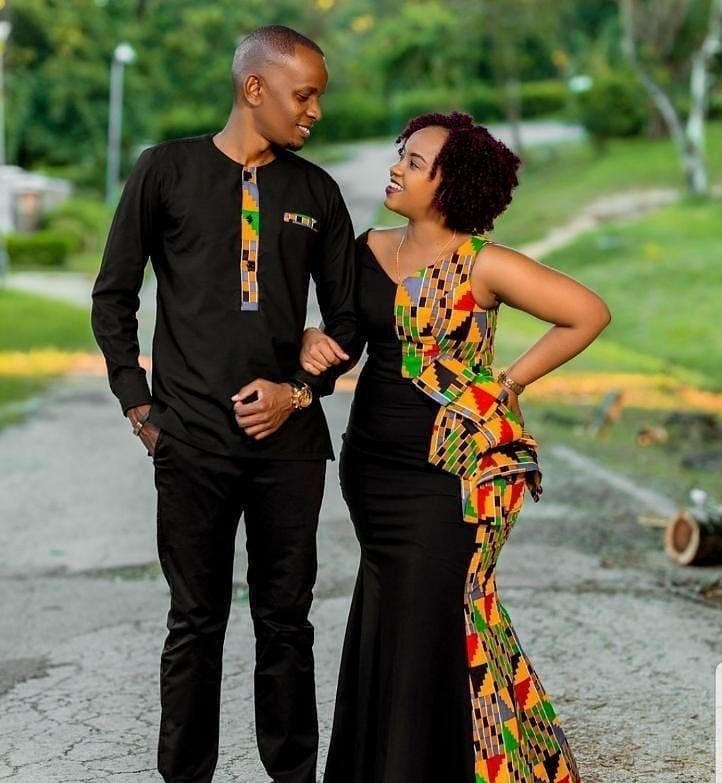
Bride’s attire:
- These days, Kamba brides wear dresses made of either kitenge or leso material, depicted in bright yellows, oranges, and red colors, symbolizing the warmth and sunshine of East Kenya.
- Beadwork as traditionally practiced, especially layered necklaces and waist beads, continues to have meaning. These beads can represent beauty, fertility, and shields. – The bride’s hairstyle may be designed in conjunction with beads or a headpiece that blends contemporary wedding hairstyles with elements from the Kamba groups.
Groom’s attire:
- Grooms may wear a kitenge shirt/tunic. The kitenge may match the trousers or the kitenge may be a color.
- Beaded wristbands and belts reflect the heritage of the community.
- Earth tones and high contrast can help to differentiate the groom while also complementing the bride’s attire.
Swahili & Coastal Wedding Attire
A Swahili marriage along the coast of Kenya is deeply affected by Islam and Indian Ocean trade patterns.
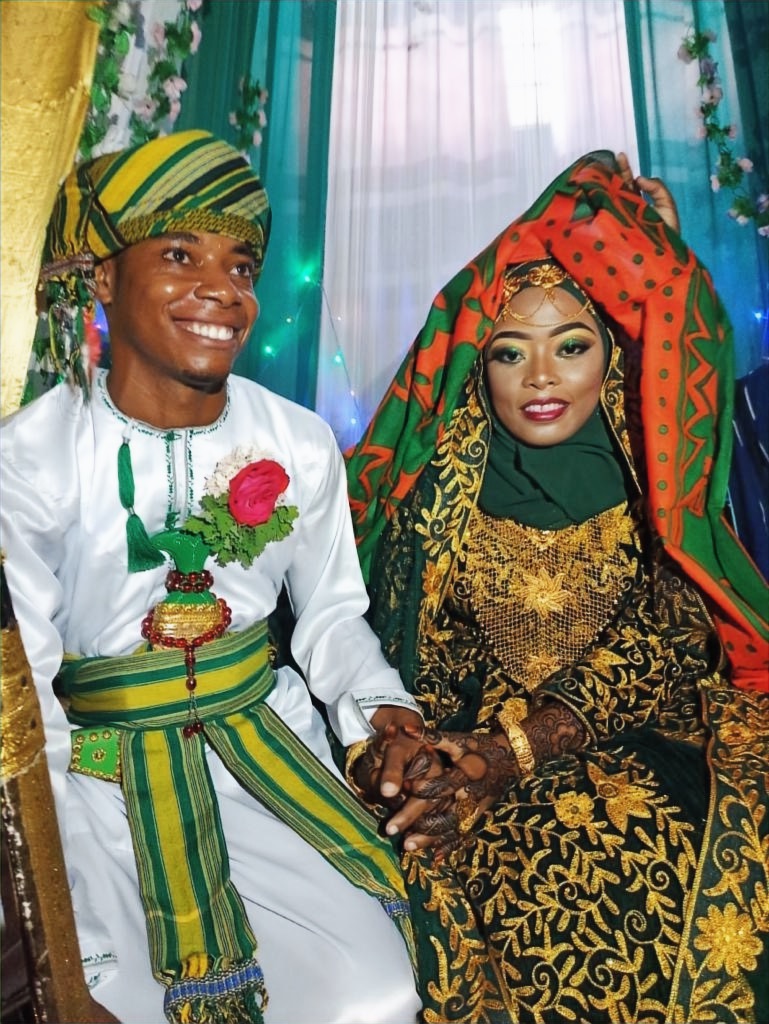
Bride’s attire:
- Swahili brides wear *dera* or elaborate *buibui* (black over garment) for some aspects of the ceremony, but for occasion wear, the embroidered dresses and lesos are common.
- “Lesos” (kangas) with proverbs and blessings printed on the edges are wrapped around the waist or shoulders.
- Henna designs for the hands and feet. Jewelry made of gold. Veil and headscarf (hijab) of bright colors like gold, green, royal blue, deep red. The fabrics may usually comprise lace, chiffon, and silk, due to the maritime trade activities.
Groom’s attire:
- The groom may wear *kanzu*: “a long white or cream-colored robe with an embroidered collar, together with an embroidered cap known as *kofia*.”
- Blazer and waistcoat can be added at certain points in the ceremony.
- The simplicity and elegance of the kanzu reflect humility, purity, and dignity.
Conclusion
Kenyan traditional wedding attire is so much more than ornamentation. From the beaded collars of the Maasai and the bright kitenge dresses of the Luo and Luhya, to the smart kanzus of the Swahili coast and the earth tones of the Kikuyu and Kamba, each garment tells a story. Colors, fabrics, beads, and accessories all have a great deal of symbolic meaning: protection, fertility, prosperity, faith, and communal identity.







 Sure Media Magazine
Leave a reply to Samtek Digital Cancel reply