
When I was about to start high school, my mother made what she believed was the most important financial decision of her life.
She was a preschool teacher and the sole breadwinner for our family of six: five children and herself. For years, we had lived in temporary housing, and she wanted something permanent. A piece of land in our rural village and a home we could finally call ours.
So she took out a loan of about KSh 900,000 (roughly $8,000). At the time, it felt like a bold but necessary step toward stability. Instead, it became the decision that reshaped our lives around debt.
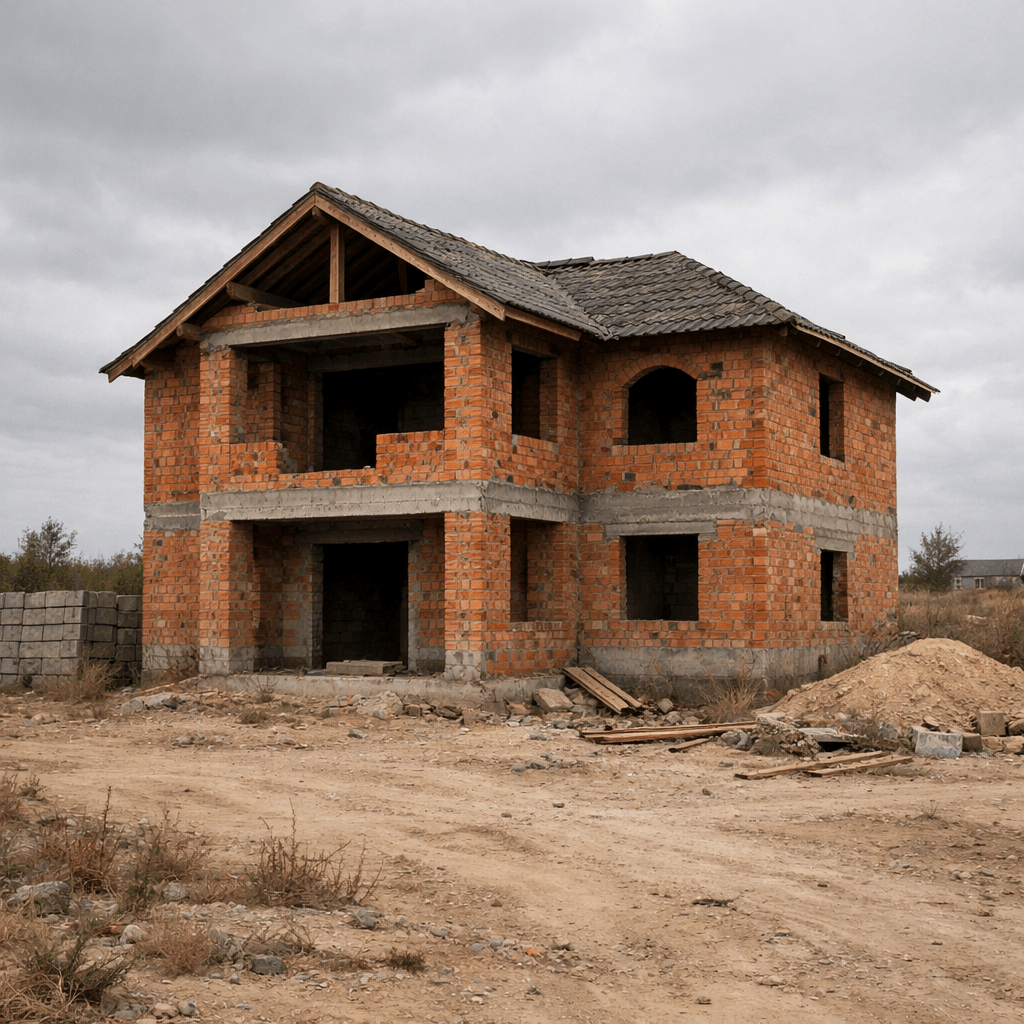
The plan was a home. The reality was an unfinished structure and a costly mistake.
My mother intended to use the money to buy land and begin construction immediately. But land prices were higher than she expected, and finding the “right” plot took longer. She rushed into buying a cheaper piece of land that wasn’t ideal, fearing that delaying would lead to spending the money on other needs.
Construction started, but costs quickly spiraled beyond what she had planned for. Materials were pricier. Labor added up. The money ran out before the house was complete.
At the same time, the loan came with interest rates of around 18% to 24% annually, which meant her monthly repayments took up most of her salary.
The dream of a permanent home was still incomplete—but the debt was very real.
School fees became uncertain and sometimes impossible.

By the time I joined high school, my mother was already struggling to keep up with repayments. There simply wasn’t enough money left for school fees, not just for me, but for my siblings too.
I remember one specific day clearly. I was sent home from school because my fees hadn’t been paid.
Walking back home, I felt a mix of shame and helplessness. I knew my mother was trying her best, but I also knew there was nothing she could do immediately. When I got home, she was already making calls, asking friends, relatives, anyone who could lend her money so I could return to school. That became our pattern.
She borrowed from microfinance institutions, from neighbors, and from family, layering one loan on top of another. Each solution was temporary, but the overall debt kept growing.
Debt didn’t just affect our finances—it shaped our education
My education and that of my siblings became unpredictable.
We missed classes. We worried constantly about being sent home again. Instead of focusing fully on school, there was always a background anxiety about money.
One of the most crucial aspects of our future, our education, was destabilized by what was supposed to be our home.
Now I’m repaying a decision I didn’t make
I recently graduated from university, which should have been the beginning of financial independence.
Instead, I’m helping repay debts that started years ago.
I contribute about KSh 10,000 to 15,000 per month ($70–$100) toward loan repayments, while also helping cover my siblings’ school fees and managing my basic living expenses.
It means delaying things I once imagined for myself, such as saving, investing, and even small comforts.
In many ways, my financial life started with a responsibility I inherited, not one I chose.
What I wish my mother had known before taking that loan
Looking back, I don’t blame my mother. She was trying to give us stability with the resources and knowledge she had.
But I often wish things had been different.
I wish she had:
- Fully understood the true cost of construction, not just the starting budget
- Waited to find better-quality land instead of rushing the purchase
- Considered how loan repayments would affect monthly essentials like school fees
- Sought financial advice before committing to such a large decision
Because the reality is this: a major financial decision doesn’t just affect the present—it can shape an entire family’s future for years.
The lesson I carry forward
Building a home is often considered a symbol of success and security.
But I’ve learned that timing and financial readiness matter just as much as intention.
If taking a loan means sacrificing essentials like education, stability, or peace of mind, then the cost may be higher than it first appears.
Today, I’m still helping my family recover from that decision—but I’m also determined to approach money differently.
Because the life I’m trying to build now depends on the lessons we learned then.




 Sure Media Magazine
Leave a comment