

You downloaded the habit tracker. You tried waking up earlier. You committed to finally maintaining consistency—drinking more water, engaging in regular physical activity, and perhaps practicing meditation before bedtime. On paper, it all makes sense. But somehow, instead of feeling better, you feel… behind. Like you’re constantly failing at something that’s supposed to help you.
If that sounds familiar, you’re not alone. There’s a quiet shift happening in how many people experience self-care. What starts as an attempt to feel better can slowly turn into another source of pressure, another list of things to get right. And when life is already full, work responsibilities and stress pressure add up fast.
Some experts describe this as wellness fatigue: when the effort of trying to take care of yourself becomes exhausting in itself.
Why Self-Care Can Start to Feel Like Pressure
Part of the problem is how self-care is often presented. It can look like a perfectly structured routine such as morning workouts, balanced meals, journaling, hydration, and good sleep, all done consistently. But real life doesn’t always allow for that kind of structure.
Limited time, energy, or finances can make even small habits feel like heavy expectations.
There’s also something called decision fatigue. Every day, you’re making dozens of choices—what to eat, when to rest, how to manage stress. When self-care becomes another set of decisions to optimize, your brain can get overwhelmed. Instead of feeling supported, you feel like you’re constantly trying to keep up.
And then there’s the pressure to do it perfectly. Missing a workout or skipping a routine can feel like failure, even when it shouldn’t.
Signs Your Self-Care Routine Isn’t Actually Helping
Wellness fatigue doesn’t always look obvious. Occasionally it hides inside habits that seem “healthy” from the outside.
You might notice:
- Feeling guilty when you miss a routine
- Starting and restarting habits over and over
- Avoiding self-care altogether because it feels like too much
- Constantly thinking about what you should be doing instead
The biggest sign is simple: self-care feels heavy instead of helpful.
What Actually Helps (When Life Isn’t Ideal)
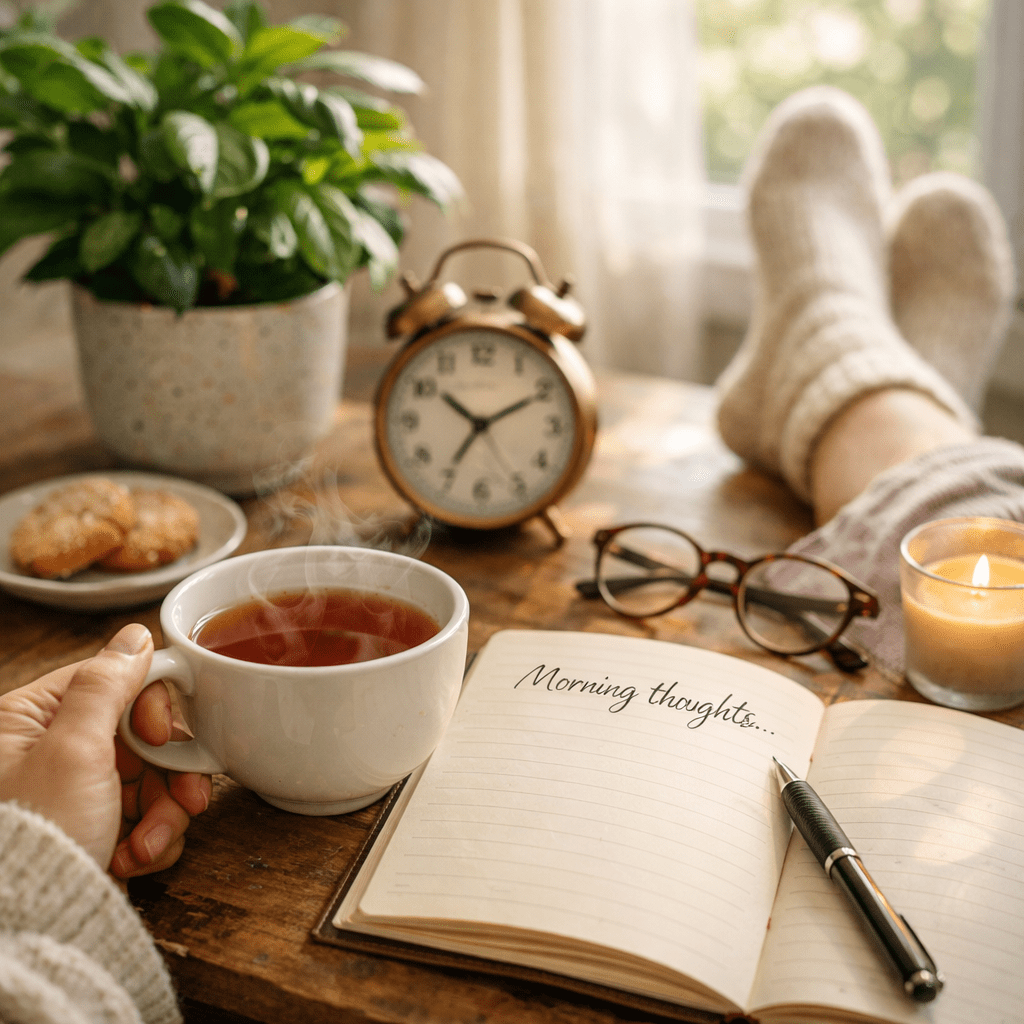
If your routine is stressing you out, the solution isn’t to try harder. It’s to make it easier and more realistic.
1. Make It Smaller Than You Think It Should Be
Instead of aiming for the “perfect” routine, focus on what you can do on your hardest days.
That might look like:
- A 10-minute walk instead of a full workout
- Drinking one extra glass of water instead of tracking everything
- Going to bed a little earlier instead of fixing your entire sleep schedule
Small, repeatable actions matter more than ambitious plans you can’t sustain.
2. Reduce the Number of Decisions You Have to Make
The more choices you remove, the less mental energy self-care takes.
You don’t need a new routine every week. Repeating simple habits—same meals, same walk, same wind-down routine—can actually make things easier to maintain. It’s not boring; it’s supportive.
3. Let “Good Enough” Count
Treating self-care as a pass/fail test is one of the quickest ways to burn out.
Instead of asking, “Did I do this perfectly?” try asking, Did this help me, even a little?
That shift might seem small, but it changes everything. It makes room for consistency without pressure.
4. Pay Attention to How It Feels
A routine can look great on paper and still not work for you.
If something consistently makes you feel stressed, behind, or inadequate, it’s worth questioning—even if it’s considered “healthy.” Self-care is supposed to support you, not make you feel worse.
The Bottom Line

Self-care isn’t meant to be another job you’re failing at.
If your routine is adding stress instead of reducing it, that doesn’t mean you’re doing it wrong; it probably means the expectations are too high or too rigid for your reality.
The goal isn’t to optimize every part of your life. It’s to find small, manageable ways to take care of yourself that actually fit into your day.
The best self-care is the kind you can do consistently, even when life is chaotic.



 Sure Media Magazine
Leave a comment