

In January 2026, Koko Networks abruptly shut down, cutting off over 1.5 million households from affordable bioethanol fuel. The company’s model depended on carbon credit sales, which required government authorization that never came.
This was not just a business failure. It was a system failure.
It revealed how unclear policies in emerging markets can collapse companies, scare investors, and push citizens backwards into poverty and pollution.
Understanding Carbon Markets and Who Controls Them
Carbon credit markets are built on a simple idea. Reduce emissions in one place. Sell that reduction elsewhere. But the reality is more political than economic.
Under global climate rules, only national governments can approve whether carbon credits generated locally can be sold internationally. In Kenya, this authority sits within the Ministry of Environment and Forestry, working within frameworks set by the United Nations Framework Convention on Climate Change.
Without a Letter of Authorization, the credits are worthless.
This creates a hard truth. Carbon markets are not free markets. They are permission-based markets. And when permission is unclear, the entire system becomes unstable.
Who Actually Lost?
Koko Networks and investors
Koko built a full ecosystem. Smart fuel dispensers. Retail networks. Clean cooking stoves. All funded by the expectation of carbon credit revenue. When approval failed, everything collapsed at once.
Now the fallout is becoming clearer. Reports indicate that Koko’s assets, valued at over one billion shillings, are being considered for sale under administration, placing a business that served over 1.3 million low-income households and invested over $300 million in bio-ethanol infrastructure under insolvency management. Infrastructure designed for one energy system is now being sold at a fraction of its value.
This is not just loss. It is destruction of capital.
The government
The government protected its carbon accounting position. But it may have damaged something more valuable.
Trust.
Climate investors do not fear regulation. They fear unpredictability.
If approvals are unclear or inconsistent, capital will move elsewhere. Kenya risks being seen not as a leader in climate innovation, but as a high-risk environment.
Citizens and end users
This is where the real cost sits. Households that relied on Koko are now forced back to charcoal, kerosene, or expensive LPG.
That means, higher fuel costs. Increased indoor air pollution. More environmental damage.
Here is the contradiction. A system designed to reduce emissions has pushed people back to dirtier fuels. That is not just ironic. It is a policy failure with real human consequences.
Regulatory Gaps and Structural Conflict
Koko’s collapse exposed a system that is not fully defined.
• No clear timelines for approvals
• No transparent qualification criteria
• No predictable decision making
That alone is enough to scare serious investors. But there is a deeper issue.
When the same institutions act as both regulator and gatekeeper of market access, the risk of uneven outcomes increases. Not necessarily corruption, but structural imbalance.
Without independent oversight, even the perception of unfairness can damage the market.
And markets run on trust.
Are We Ready for Carbon Markets?
Kenya is trying to participate in a global system that is still evolving. That is not the problem. The problem is entering that system without strong local rules.
Carbon markets require, clear regulation, strong verification systems, institutional coordination and policy consistency
Right now, the risk sits with the wrong people.
• Investors lose money
• Companies collapse
• Citizens lose essential services
That is not a functioning market. That is an experiment with real casualties.
Koko Networks did not just collapse. It exposed the cost of unclear policy. When rules are vague, everyone pays. Businesses fail. Investors retreat. Citizens suffer.
Kenya now faces a choice. Fix the system or repeat the mistake. That means, clear carbon market regulations. Transparent approval processes. Defined institutional roles and most importantly the protection for end users.
Because climate innovation is not just about carbon. It is about people. And right now, the people are the ones absorbing the cost of policy confusion.
How this affects the everyday person
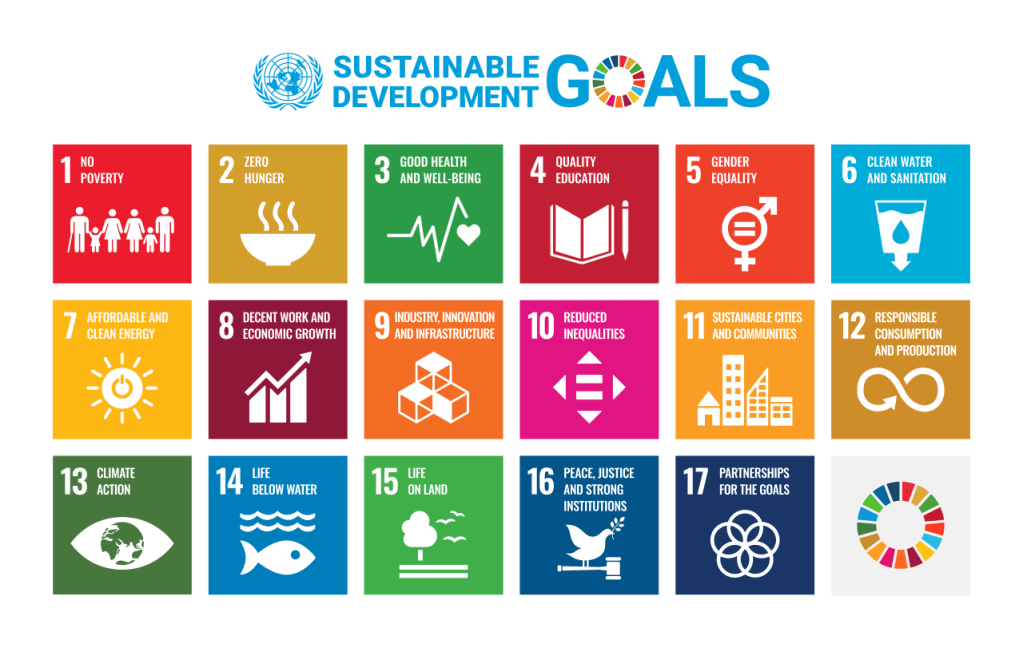
The return to firewood and charcoal is not just an energy shift, it is a setback for the mwananchi and the country at large. For many households, especially in low income areas, this means higher daily costs, longer hours spent searching for fuel, and increased exposure to smoke that harms health.
Women and girls carry the heaviest burden, spending more time collecting firewood, facing safety risks, and losing opportunities for education and income. At the same time, increased reliance on charcoal accelerates deforestation, degrades land, and raises carbon emissions, undoing progress on climate action.
This reversal directly undermines key targets under the United Nations Sustainable Development Goals, particularly clean energy access, good health, gender equality, and climate action. What looks like a policy gap in Nairobi quickly becomes a daily struggle in the household, with long term consequences for people, the environment, and Kenya’s development path.




 Sure Media Magazine
Leave a comment