
When I was three years old, my mother moved us into my stepfather’s house. What should have been a fresh start for her became the beginning of eighteen years of emotional turbulence that tested every part of me. Today, at twenty-three, I look back on that chapter not with bitterness, but with quiet gratitude. The home that once felt like hell taught me resilience, self-reliance, and the courage to become the woman I am today. This is my story.
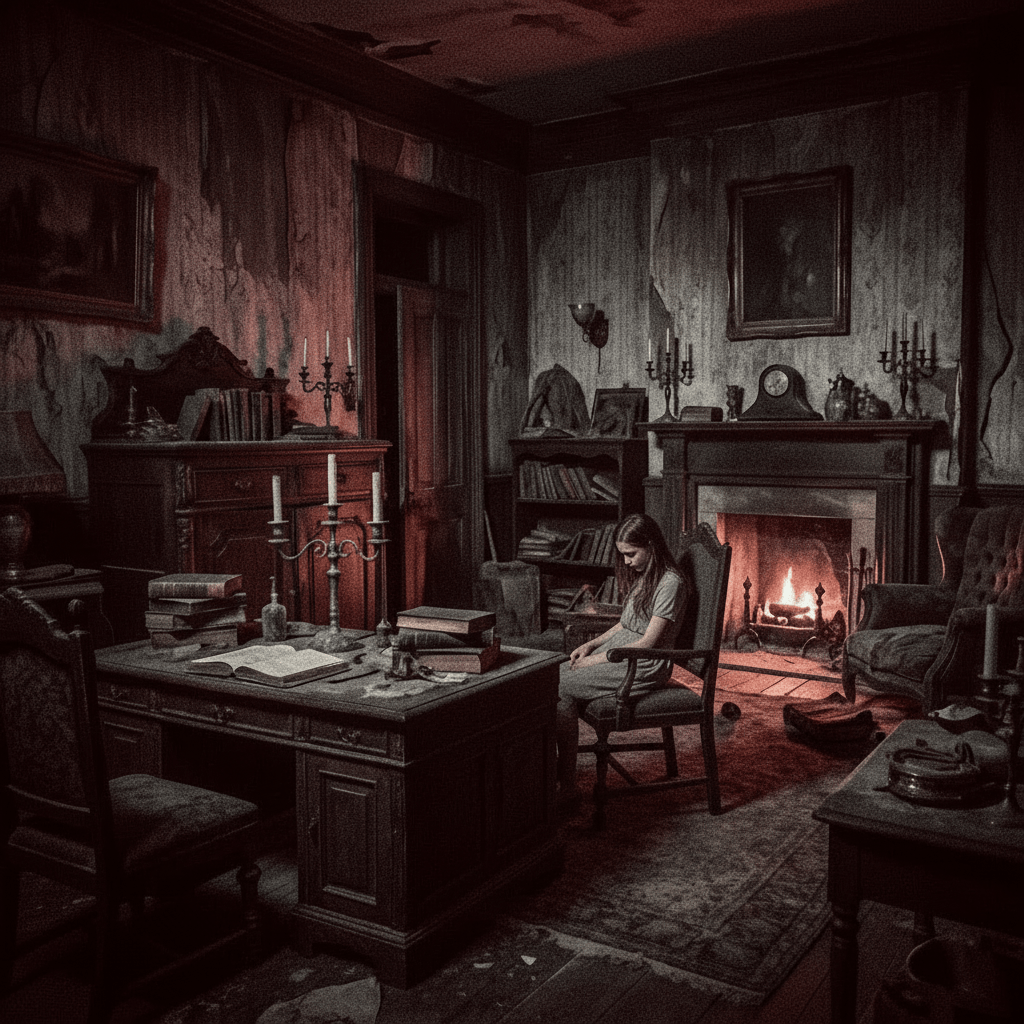
At twenty-three, I reflect on my challenging childhood with gratitude, recognizing how adversity shaped my resilience, self-worth, and empathy.
At twenty-three, I reflect on my challenging childhood with gratitude, recognizing how adversity shaped my resilience, self-worth, and empathy.
The Beginning: A New Family at Age Three
I barely remember my biological father. My clearest early memory is clutching my mother’s hand as we crossed the threshold of a modest three-bedroom house in a quiet Nairobi neighbourhood. My stepfather, a tall man with a stern face and a voice that carried authority, greeted us with a smile that never quite reached his eyes. From that first day, the rules were clear: this was his house, and we were guests who needed to earn our place.
My mother, eager to build a stable life, poured herself into making the marriage work. She cooked, cleaned, and adapted to his ways while I tried to stay small and invisible. At three, I didn’t understand why my toys had to be packed away every evening or why I couldn’t cry when I missed my old home. I quickly learned that showing weakness invited criticism. “Toughen up,” my stepfather would say whenever I scraped a knee or felt homesick. Those words became my first lesson in survival.
Daily Realities: Growing Up in a House That Was Never Home
Life inside those walls was a constant negotiation. My stepfather ran the household like a military camp. Chores were assigned before breakfast, meals were eaten in silence, and any deviation from his expectations brought swift consequences. I was expected to perform at school, keep the house spotless, and never question his authority. My mother, caught between her new husband and her only child, often chose peace over protection. I don’t blame her; she was trying to hold our fragile family together.
As I entered primary school, the differences between my step-siblings (his children from a previous relationship) and me became glaring. They received praise and pocket money; I received lectures about gratitude. Birthdays were celebrated for them with cakes and parties. Mine passed with a quiet “happy birthday” and a reminder that I should be thankful just to have a roof over my head. The message was constant:↗
By my teenage years, the emotional distance had widened into a gulf. Arguments erupted over small things—my choice of clothes, my friends, my dreams of university. My stepfather’s favourite line was, “In this house, you follow my rules or you find somewhere else to live.” At sixteen, I started working part-time after school just so I could buy my own school supplies and avoid asking him for anything. The money was never enough, but the independence it gave me was priceless.
The Emotional Toll: Learning to Stand Alone
Living with constant criticism and conditional love left scars that no one could see. I developed anxiety about making mistakes and a deep fear of rejection. Nights were spent replaying conversations, trying to figure out what I had done wrong. I questioned my worth daily. Why was I never enough? Why did my presence seem to irritate the one man who was supposed to protect me?
Yet in that pain, something unexpected grew: inner strengtinner strength↗
There were dark moments. At seventeen, after a particularly brutal argument about my future, I packed a small bag and slept at a friend’s house for two nights. I came back only because my mother begged me. That night I made a silent promise to myself: one day I would leave and never depend on anyone who made me feel small.
Building Resilience: How Adversity Forged Who I Am
Looking back, the hell I lived through became my greatest teacher. It taught me self-discipline. While others partied, I studied late into the night because education was my escape route. It taught me empathy. I learned to recognise pain in others because I had carried my own for so long. Most importantly, it taught me that strength is not loud or aggressive—it is quiet, steady, and unbreakable.
By the time I finished secondary school, I had earned a place at university. My stepfather dismissed the achievement with a shrug, but I didn’t need his approval anymore. I had learned to validate myself. The girl who once tiptoed around the house had become a young woman who could face rejection, financial uncertainty, and self-doubt without crumbling.
Reflections at Twenty-Three: Who I Am Today
am twenty-three now. I still live in the same house—circumstances have not yet allowed me to move out—but the power dynamic has shifted. I no longer shrink in his presence. I speak calmly and firmly. I have boundaries. The little girl who was told to toughen up has become a woman who knows her worth.
I am still not working full-time. After university, I have been searching for opportunities in communications and creative writing, fields that let me turn my pain into purpose. Rejections come, but they no longer break me. I volunteer with youth mentorship programmes, helping teenagers who feel unseen in their own homes. Every time a young person tells me my story gives them hope, I remember why I endured.
Looking Ahead: Embracing the Future with Gratitude
The road ahead is uncertain, but I face it with confidence. I am actively applying for entry-level positions in media and content creation. I dream of one day writing a book about resilience and perhaps starting a support group for stepchildren who feel caught in the middle. I want to prove that a difficult childhood does not define your entire life—it can fuel it.
My mother and I have grown closer. She sees now the cost of the choices she made, and we are healing together. My stepfather and I maintain a civil distance. I no longer seek his love; I have learned to give it to myself.
Conclusion: From Broken Home to Unbreakable Spirit
Life with my stepfather was hell, but it did not break me. Instead, it forged me into someone stronger, wiser, and more compassionate than I might have been in easier circumstances. At three years old, I entered that house as a frightened child. At twenty-three, I stand as a woman who knows she can survive anything.
To anyone reading this who is living through their own version of a difficult home: your pain is valid, but it is not the end of your story. Hold on. Build yourself up in secret. One day you will look back and realise the very thing that tried to destroy you actually saved you by teaching you how to save yourself.
I am living proof that hell can produce angels—if you choose to grow wings.




 Sure Media Magazine
Leave a comment