
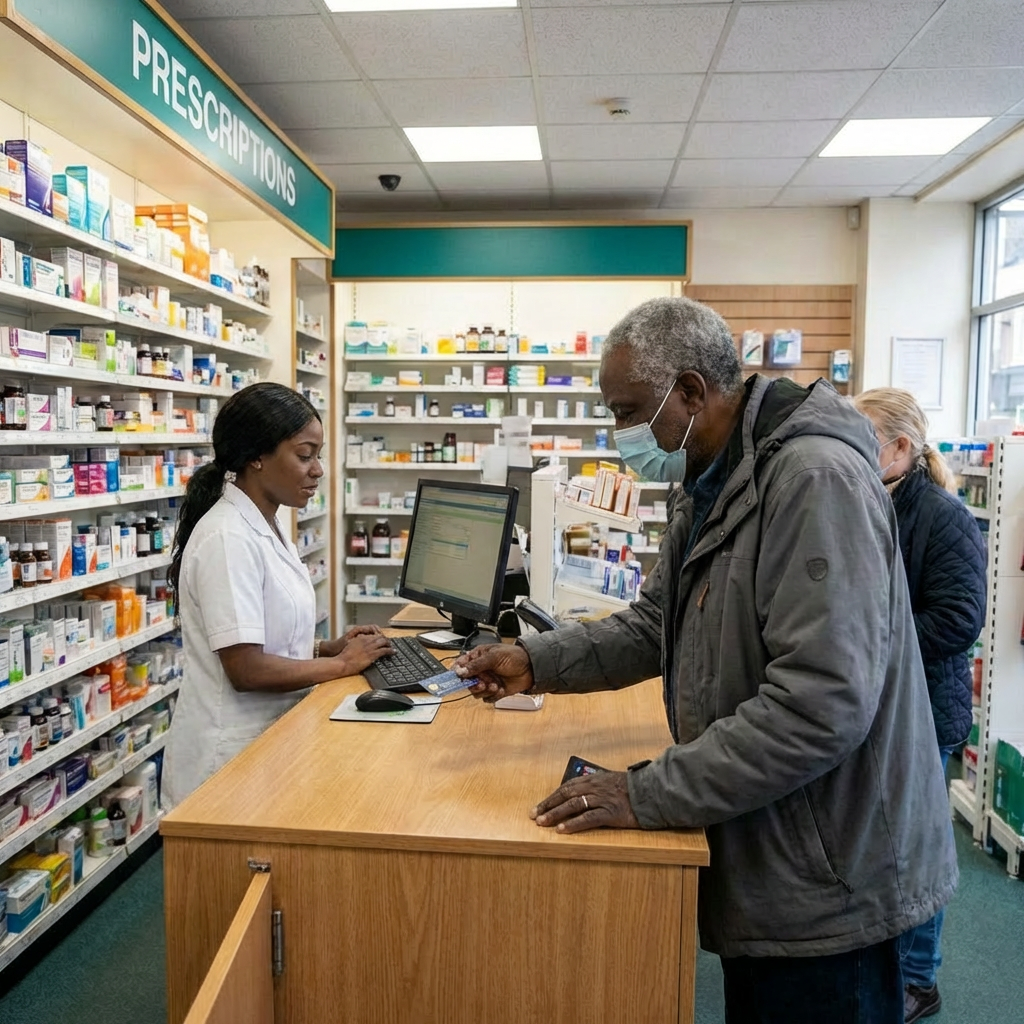
For many of us, reaching for over-the-counter medications has become a default response to common ailments like headaches, colds or muscle pain. They’re quick, convenient, and generally affordable. But, as simple as it sounds, the choice to rely on these medications instead of heading to the hospital is often influenced by more than just ease. For countless individuals, financial concerns and the lack of access to medical insurance are key factors in this decision.
1. A Wallet-Friendly Solution
When I’m feeling under the weather, a bottle of pain relievers or a box of allergy pills seems like a simple, low-cost solution. One of the biggest reasons many of us opt for medications without a prescription is affordability. A visit to the doctor or hospital comes with a hefty price tag of consultation fees, tests, prescriptions, and sometimes even a simple emergency room visit can drain our savings or put us further into debt. Without insurance or with limited coverage, many of us simply can’t afford these visits.
In contrast, these drugs are relatively inexpensive, often costing less than a trip to the doctor’s office or emergency room. They allow us to manage symptoms without the financial burden of professional healthcare. For those of us without solid health coverage, this option feels like the only one that won’t leave us scrambling to pay off medical bills.
2. Lack of Medical Insurance or Coverage
Not having medical insurance is a major reason why people like me skip the doctor’s office and opt for over the counter medications. Without insurance, the idea of paying for a doctor’s visit, tests, or even a prescription can feel daunting, especially when I’m unsure whether the visit will result in a diagnosis or additional treatments. The reality is that many people simply can’t afford the out-of-pocket expenses that come with seeking professional care.
For those of us without solid insurance or with limited coverage, these remedies are a lifesaver. They offer a way to manage common health issues without incurring the financial burden of a doctor’s visit. It’s a more accessible solution when health coverage isn’t an option and that’s the case for so many of us.
3. Seeing Ailments as Minor
Like many, I often perceive my health problems as minor and not worthy of a doctor’s visit. A slight headache, a stuffy nose, or an upset stomach might seem too small to make an appointment especially when I know I can take a simple pill and feel better in no time. We’ve all been there,reaching for the medicine cabinet rather than the phone to make a doctor’s appointment.
While this approach can work for minor issues, there’s always a risk of self-diagnosing and overlooking something more serious. But when things seem manageable, and when the cost of a hospital visit looms large, these medications are the obvious go-to.
4. Side Effects and the Risk of Misdiagnosis
There’s also the risk of side effects. While medications without a prescription are generally safe, they can sometimes come with unexpected reactions whether it’s dizziness from a decongestant or an upset stomach and diarrhea from painkillers. I’ve personally experienced this before, and it’s led me to question whether I should have sought out professional help in the first place.
Moreover, relying on these drugs means I might not have accurately diagnosed my condition. For example, what seemed like a simple cold could have been a viral infection that needed a different type of treatment. When these remedies don’t work or cause side effects, it’s clear that seeking professional care is the next step. However, for many, the financial strain of that step outweighs the need for a proper diagnosis,at least initially.
5. The Fast Fix
In our fast-paced world, time is of the essence. Between work, family, and other responsibilities, taking time off to go to the hospital isn’t always an option. Visits to the doctor or emergency room can take hours, sometimes even days, to arrange. Medications, however, offer an immediate, easy fix. I can simply head to the pharmacy, pick up what I need, and continue with my day without any disruptions.
This convenience is a huge reason why these drugs are so appealing. They give us the relief we need without the need for waiting, scheduling, or taking a day off. It’s not just about the cost but the time saved in a world where we’re constantly on the go.
6. The Fear of Medical Debt
For many, the fear of medical debt is real. Even with insurance, co-pays and deductibles can quickly add up, and without insurance, medical bills can be overwhelming. I know I’m not alone in worrying about the financial impact of a doctor’s visit, even for a seemingly minor issue. The cost of healthcare can be so high that it becomes a deterrent for many people, making medications without a prescription an attractive option to avoid putting ourselves further into debt.
These drugs offer an immediate and affordable alternative to hospital visits, especially for those of us without comprehensive insurance coverage. But while they are a budget-friendly solution, they don’t always address the underlying cause of our health issues.
7. Limited Access to Healthcare Facilities
For some of us, access to healthcare can be a logistical nightmare. Whether we live in a rural area with limited healthcare facilities or simply don’t have easy access to transportation, visiting a doctor or hospital can be a major challenge. In these situations, these medications become the go-to solution because they don’t require a trip to the doctor’s office. They provide immediate relief without the need for long travel times or expensive transportation costs.
This limited access to healthcare is another reason why medications without a prescription are often our first choice when we need help. They are a way for us to address health issues when professional care isn’t readily available.
The Trade-Off Between Cost and Health
While medications without a prescription can be a quick, affordable solution to many common health problems, they don’t replace the need for professional medical care when symptoms persist or worsen. For those of us without insurance or adequate healthcare coverage, the decision to use these remedies is often driven by the inability to afford a doctor’s visit. While they offer temporary relief, they can’t always address the underlying cause of more complex or persistent health issues.
Ultimately, the key to improving health outcomes for everyone lies in making healthcare more affordable and accessible. No one should have to choose between their health and their financial well-being. Until that becomes a reality, these drugs will remain a lifeline for many of us,but it’s important to remember that professional medical care is crucial when our health problems go beyond what a simple over-the-counter remedy can fix.






 Sure Media Magazine
Leave a comment