
Healthcare has evolved significantly over the years, offering a variety of methods for treating, diagnosing, and preventing illness. Two of the most well-known approaches are traditional medicine and modern healthcare, each with its unique philosophies, treatments, and benefits. While traditional medicine is grounded in cultural practices and natural remedies, modern healthcare is driven by scientific research, advanced technology, and specialized care. Both systems have their strengths and face challenges, but they also complement each other in many ways. Let’s explore the key differences and similarities between these two approaches.
What is Traditional Medicine?
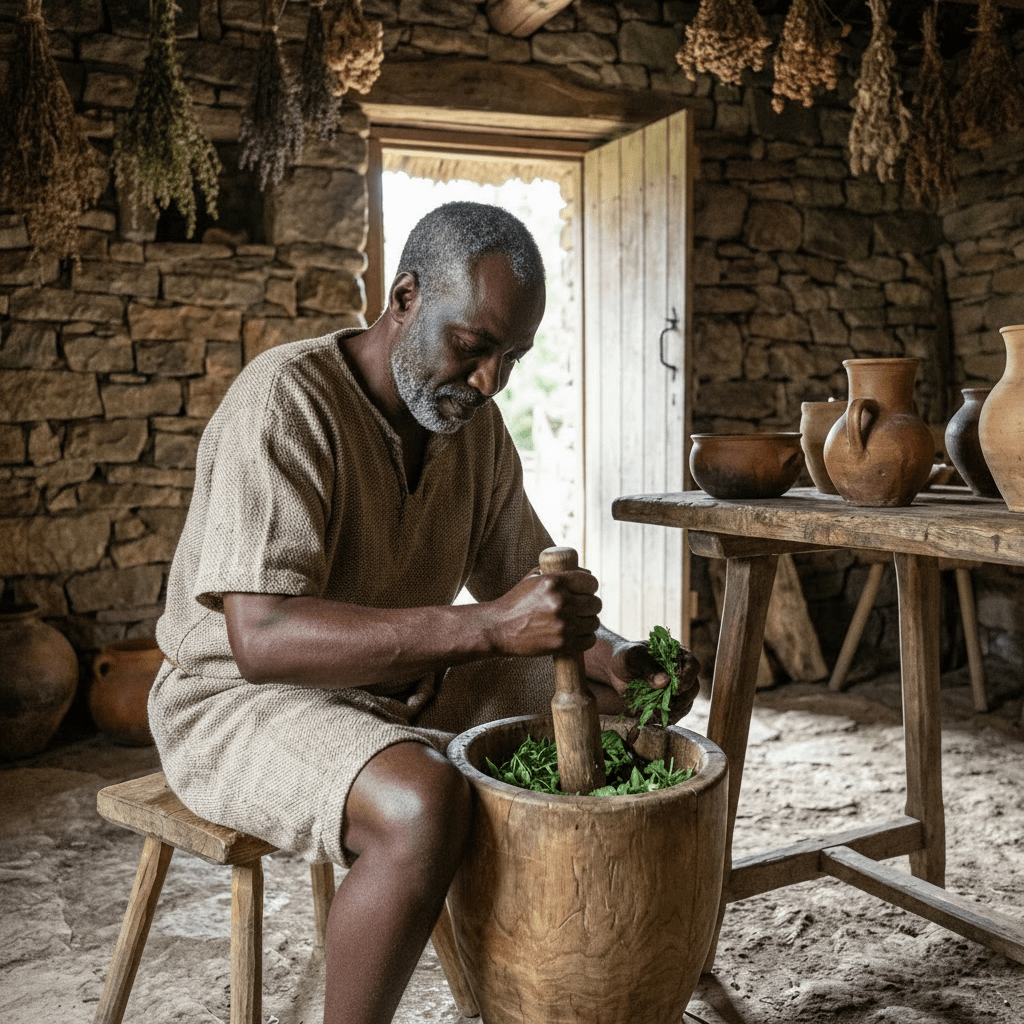
Traditional medicine encompasses health practices passed down through generations, often shaped by cultural and regional influences. These practices include Ayurveda from India, Traditional Chinese Medicine (TCM), and various forms of other medicine used by Indigenous peoples. At its core, traditional medicine takes a holistic approach, addressing not only the body but also the mind and spirit to restore balance and promote health.
The philosophy behind traditional medicine is that health is achieved through harmony and balance, and treatments are designed to restore this equilibrium. Natural remedies, such as herbal medicines, acupuncture, massage, and spiritual practices, are commonly used. This approach also emphasizes the importance of prevention through lifestyle changes, diet, and mental health practices.
Traditional medicine is deeply connected to culture and can offer emotional comfort by aligning with familiar customs and beliefs. It’s also known for its focus on prevention, encouraging people to make healthy choices before illnesses arise.
However, while traditional methods have been effective for many, they often lack the scientific validation seen in modern medicine. Not all practices have undergone rigorous testing, and accessibility can be an issue, especially when some remedies aren’t standardized or available in certain regions. In addition, without proper regulation, some treatments could potentially be ineffective or harmful.
What is Modern Healthcare?
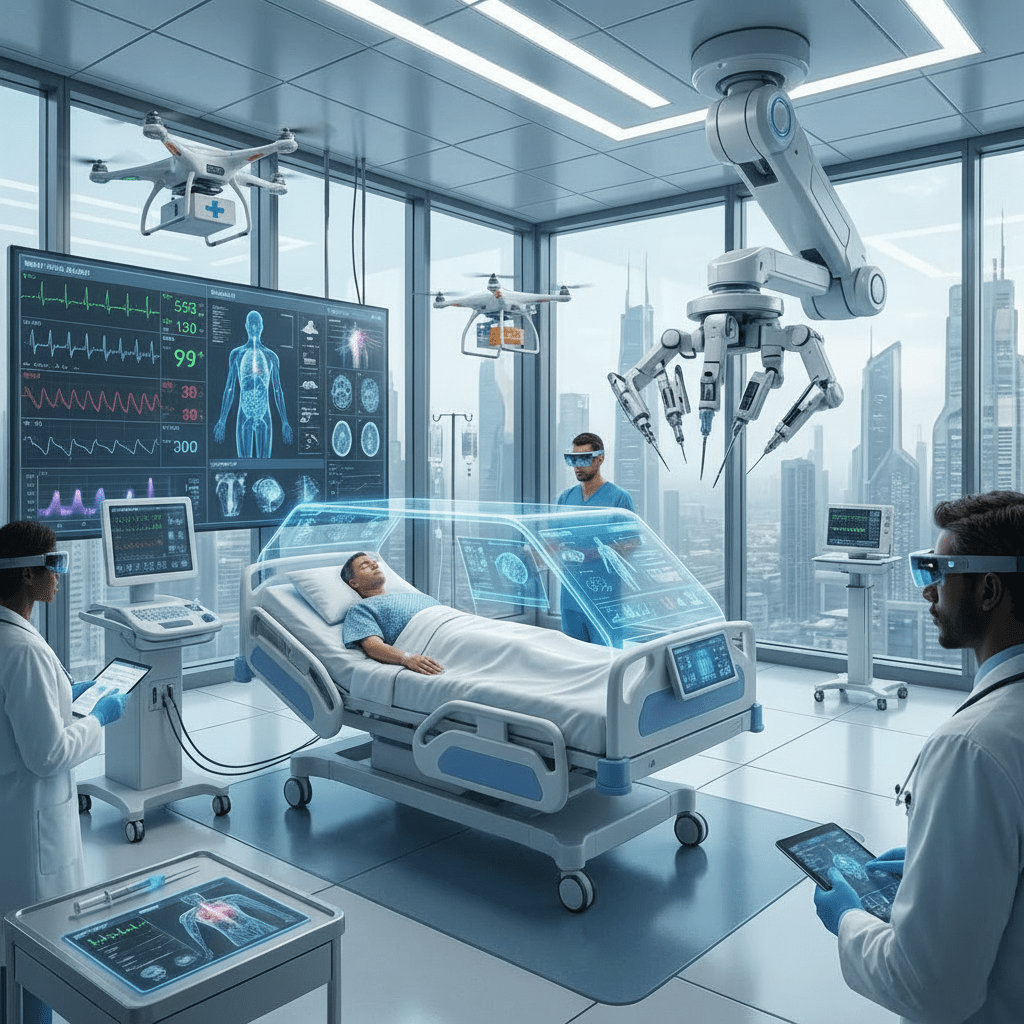
In contrast, modern healthcare is built on the foundations of scientific research, clinical trials, and advanced technology. Modern medicine includes everything from pharmaceuticals and surgeries to diagnostic tools like MRIs and robotic surgery. This approach focuses on treating specific diseases, managing symptoms, and addressing critical health conditions. It has revolutionized healthcare by allowing for specialized treatments, improved survival rates, and more effective care for acute illnesses.
Modern healthcare emphasis on evidence-based practices means treatments are thoroughly tested for safety and effectiveness. The field also leverages cutting-edge technology, enabling doctors to provide accurate diagnoses and precise treatments. The focus on specialization allows for expert care in a wide range of medical fields, from cardiology to neurology.
One of the greatest strengths of modern healthcare is its ability to address life-threatening and urgent health conditions. Whether through emergency surgeries, medications, or advanced diagnostic tools, modern healthcare has the capacity to save lives and improve outcomes for serious illnesses.
On the downside, however, modern healthcare can be expensive, particularly when it comes to specialized treatments or emergency care. It also tends to focus more on treating illnesses after they occur, rather than on preventing health issues through lifestyle changes. Moreover, some treatments may come with side effects, as pharmaceutical drugs and other interventions are not without risks.
Comparing Traditional Medicine and Modern Healthcare
When comparing traditional medicine and modern healthcare, several key differences stand out. Traditional medicine takes a more holistic approach, focusing on the balance of mind, body, and spirit, while modern healthcare emphasizes the use of scientifically validated treatments, technology, and specialized care. Traditional medicine often relies on natural remedies, such as herbs and acupuncture, while modern medicine makes use of pharmaceuticals, surgeries, and diagnostic tools.
In terms of accessibility, traditional medicine is often more available in rural or culturally specific settings, where people have long relied on local practices. Modern healthcare, however, is more widespread in urban areas, though it can be costly and may not be easily accessible in low-income regions.
While traditional medicine may be beneficial for managing chronic conditions and promoting general well-being, modern healthcare shines when it comes to treating acute illnesses and emergencies. Modern treatments are backed by scientific research, making them reliable for many health conditions. However, traditional medicine is often more affordable, with fewer medical interventions required.
The Case for Integrating Both Approaches
As we continue to evolve in our understanding of health, there’s growing recognition of the potential benefits of combining traditional and modern medicine. Integrative medicine is a growing field that blends the best of both worlds, offering a more comprehensive approach to health. By combining the holistic, preventative focus of traditional medicine with the scientific rigor and technological advancements of modern healthcare, patients can enjoy a more personalized and well-rounded treatment plan.
For example, acupuncture and herbal treatments may be used to manage pain or improve quality of life during cancer treatment, which is primarily handled by modern medical interventions like chemotherapy. Additionally, mindfulness practices and meditation, common in traditional healing systems, can complement modern treatments for mental health issues like anxiety and depression.
This integrative approach allows for a more comprehensive and balanced form of care, addressing both the physical and emotional aspects of health.
Take home
Both traditional medicine and modern healthcare offer valuable contributions to our well-being, each with its own set of strengths. Traditional medicine provides a holistic approach that emphasizes prevention, balance, and natural healing, while modern healthcare offers scientific validation, advanced technology, and specialized care. By recognizing the value in both systems, we can create a more inclusive and personalized healthcare experience that serves the needs of individuals in a comprehensive way. As healthcare continues to evolve, integrating the best aspects of both traditional and modern practices can offer the most effective approach to maintaining health and healing.





 Sure Media Magazine
Leave a comment