
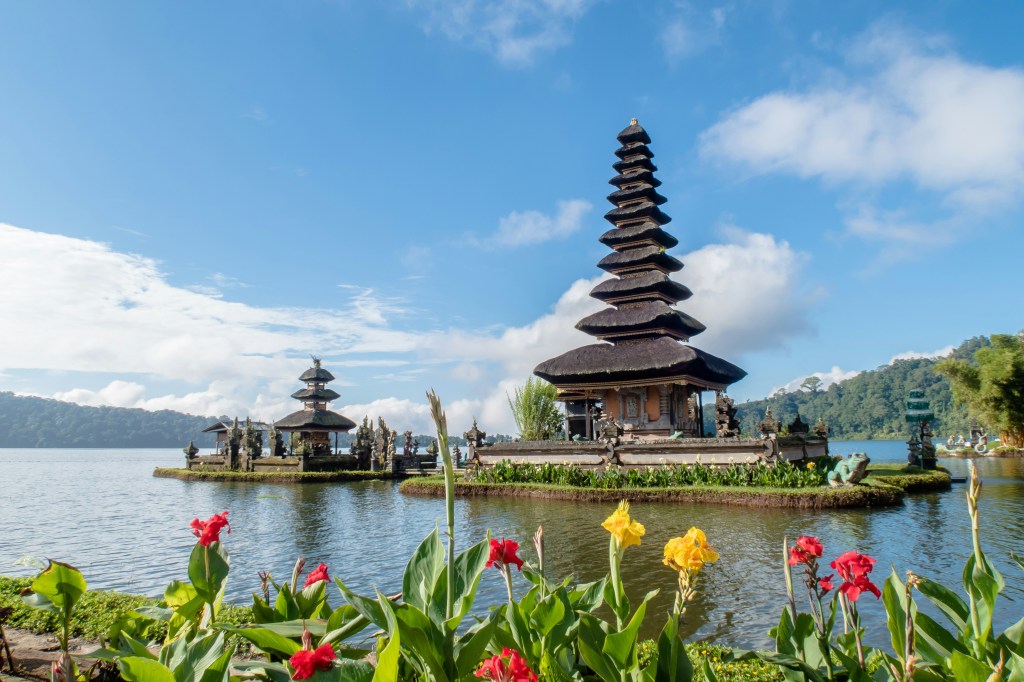
A Jouney into Culture, Spirit, and Everyday Magic
Most people go to Bali for the ocean. When they think of Bali, images of turquoise waters, infinity pools, and palm-lined beaches often come to mind. It’s a destination that has become synonymous with tropical escape.
Beneath the salt and the sunscreen, there is an island with one of the most distinctive living cultures on earth, a place where the sacred and the everyday are not separated by church walls or calendar days, but woven into the same Tuesday morning.
This is the Bali worth going slowly for.
The First Impressions: More Than a Paradise
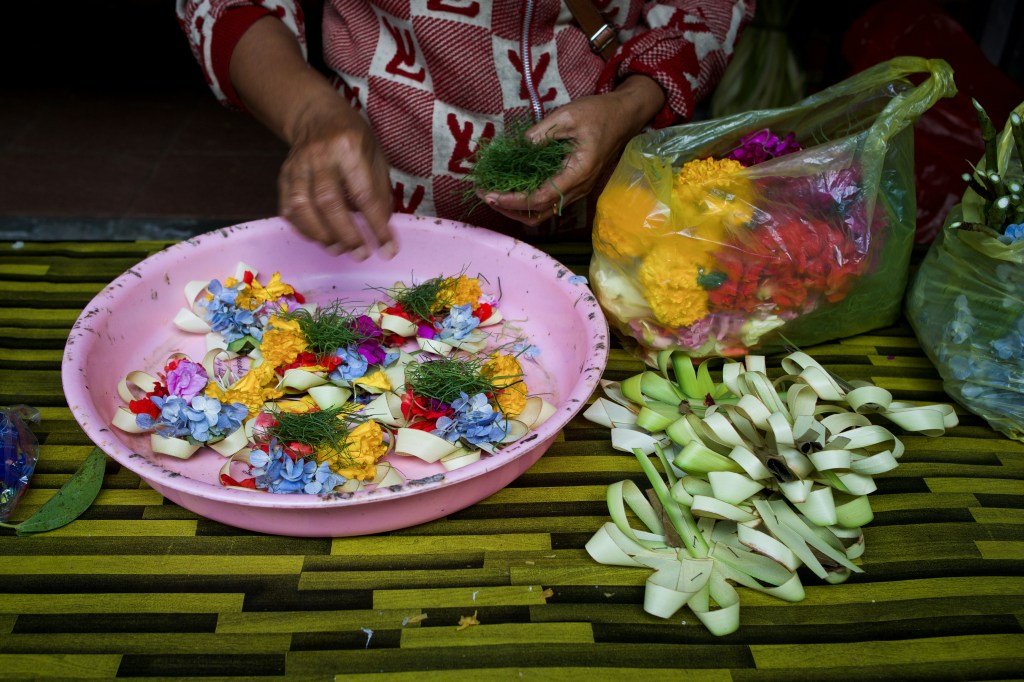
From the moment you arrive, Bali greets you with contrasts. Scooters weave through busy streets, incense lingers in the air, and small woven offerings, known as canang sari, are placed carefully on sidewalks, shrines, and doorsteps.
These daily offerings, made of flowers, rice, and prayer, are a quiet reminder that spirituality here isn’t reserved for temples, it’s part of everyday life.
What the Ceremonies Are Actually About
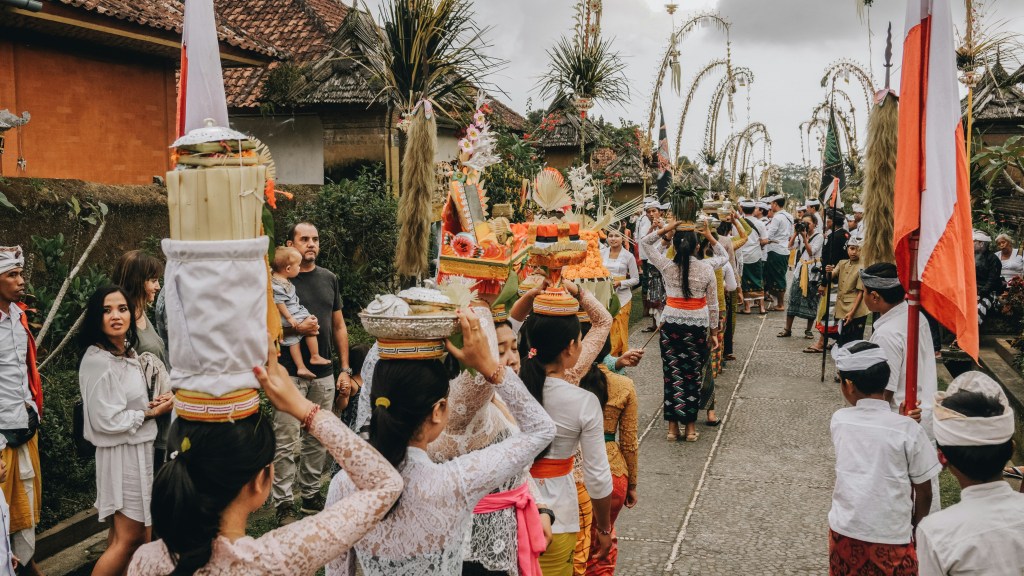
In June and July, Bali’s ceremonial calendar tends to cluster around temple anniversaries and the Balinese months that correspond to planting and harvest cycles. If you are on the island for more than a week, the chances of stumbling into a temple festival are high.
The processions, women carrying towers of fruit and flowers on their heads, men bearing ceremonial objects, gamelan orchestras producing that unmistakeable metallic cascade of sound — can stop traffic, fill entire streets, and last for hours. The temptation, especially with a phone in your hand, is to treat this as content. Try instead to put the phone down for at least a few minutes and just watch.
What you are seeing is a community maintaining its relationship with the divine through collective effort and shared beauty. The offerings are made beautiful because the gods deserve beauty. The music is played because the gods enjoy music. The whole enterprise rests on a theology of reciprocity, humans and spirits in an ongoing negotiation, conducted through flowers and incense and rice and dance, that is simultaneously ancient and entirely matter-of-fact.
Ubud: The Cultural Heartbeat
Surrounded by lush jungle and terraced rice fields, Ubud is a place where art, spirituality, and nature intersect. Mornings begin with the sound of roosters and distant temple bells, while afternoons invite slow exploration.
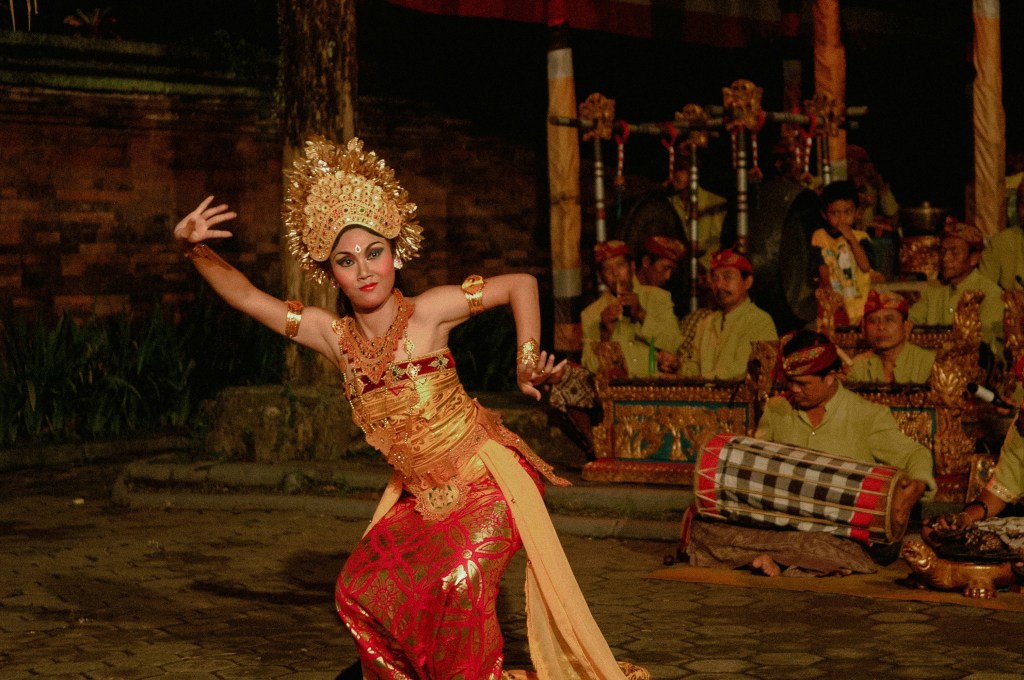
Ubud has absorbed a decade of retreat culture and wellness tourism, but its core remains intact. The Ubud Palace hosts traditional Kecak and Legong dance performances most evenings; these are not recreations staged for visitors, but the continuation of an art form that has been practised here for centuries. Watch the way the young dancers move , some are still in school, and you begin to understand that Balinese dance is not entertainment in the Western sense. It is storytelling, ritual, and physical discipline folded into one.
The Villages the Algorithm Forgot
Head north from Ubud and the island changes. The roads narrow, the terraced rice fields widen, the souvenir shops thin out. This is where Bali’s agricultural heartland begins, and where some of its oldest village traditions are still quietly intact.
Penglipuran, near Bangli, is one of the most intact traditional villages in Bali, a community that has maintained its original layout, with family compounds arranged along a single ceremonial axis, for hundreds of years. It draws visitors now, but it is also genuinely inhabited. People live here. Chickens cross the road. Old men sit in doorways watching you watch them.
Sidemen valley, further east, is what Ubud looked like thirty years ago: a narrow agricultural valley flanked by terraced hillsides, with Gunung Agung- Bali’s sacred mother volcano, rising above everything when the clouds clear. There is almost nothing to “do” in Sidemen in the tourist sense. You walk. You eat whatever the warung is cooking. You watch the light move across the rice. It is, for many people, the most memorable part of the whole trip.
Further north still, the village of Tenganan Pegringsingan is home to the Bali Aga, the island’s original pre-Hindu inhabitants, who still practise the extraordinarily complex geringsing double ikat weaving tradition. A single cloth can take years to complete. The village has been largely self-governing and self-sustaining for a thousand years. Arriving here feels less like tourism and more like an accidental encounter with deep time.
Traveling Responsibly
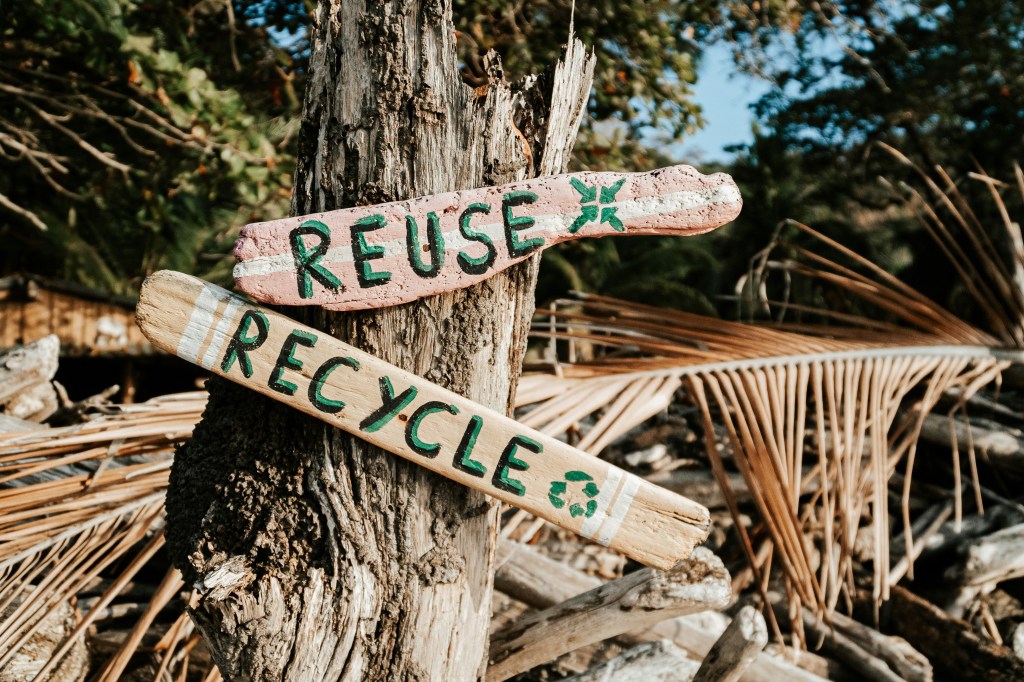
With its growing popularity, Bali faces challenges from overtourism and environmental strain. As visitors, being mindful is essential.
Support local businesses, reduce plastic use, and respect both nature and culture. Small actions contribute to preserving the island’s beauty and heritage.
Final Thoughts
Bali is not just about where you go, it’s about how you experience it. It has a way of changing how you see things.
It teaches patience in traffic, mindfulness in stillness, and gratitude in simplicity. It invites you to pause, to breathe, and to notice what often goes unseen in everyday life.
Beyond the beaches lies a world of tradition, connection, and quiet beauty waiting to be discovered. If you’re willing to look past the surface, Bali offers something rare: a journey that stays with you long after you leave.
For many travelers, Bali becomes more than a destination—it becomes a reset. Not just in photos, but in perspective.




 Sure Media Magazine
Leave a comment