
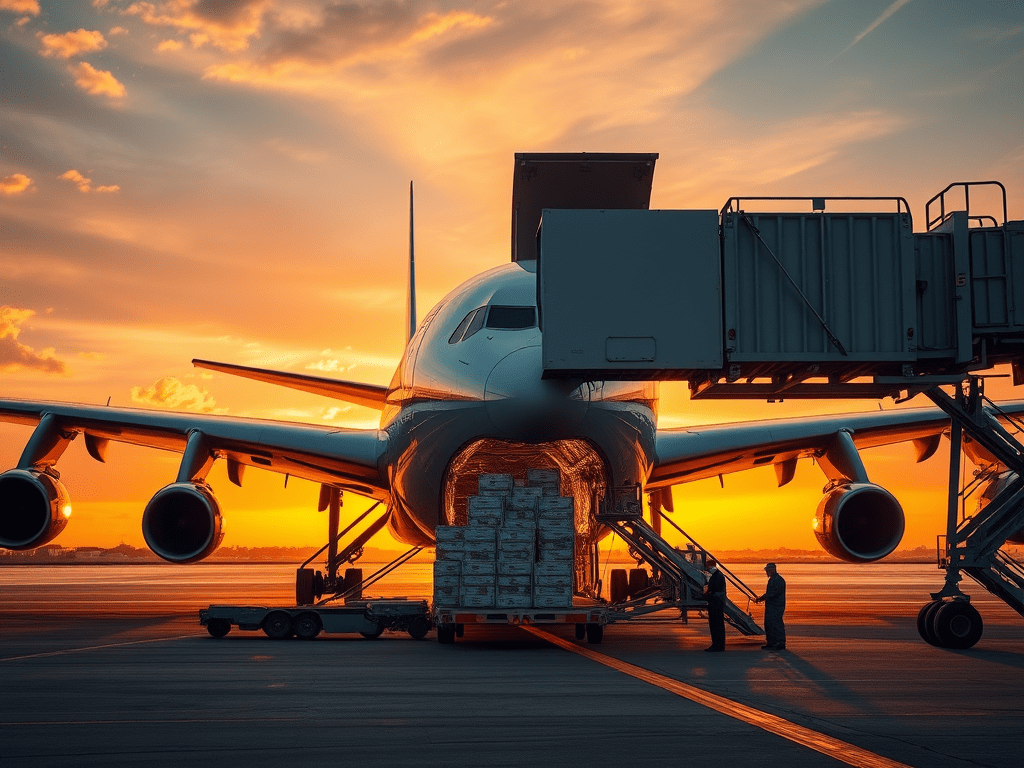
When the pandemic hit In early 2020, passenger planes were grounded and something amazing happened in the air. Air cargo, which is often overlooked, became the lifeline of humanity. What began as a desperate move for medical supplies turned into one of the most profitable and innovative chapters in aviation history. Billions of vaccine doses, very fragile and temperature sensitive, were flown across oceans and continents in record time. This is the untold story of how the Airline industry did not just survive the pandemic but soared.
In 2020 Global air cargo volumes dropped about 10% as passenger belly capacity vanished. By 2021 everything flipped, demand exploded, rates skyrocketed and Air Cargo suddenly became the hero of the Airline industry, turning a crisis into a gold rush. Airlines went from “we’re in trouble” to record-breaking years almost overnight.
Emirates SkyCargo alone flew 600 million doses of vaccine by the end of 2021. DHL flew more than 2 billion doses by January 2022. Lufthansa Cargo revenue jumped 41% to €4.25 billion. Qatar Airways Cargo grew by 25%. FedEx posted $84 billion in revenue. Even Turkish Airlines saw cargo revenue shoot up 61% in 2020.
Timeline of a Miracle in Motion
Transformation unfolded so fast:
- March 2020 – the World Health Organization declares a pandemic and passenger flights grounded
- April 2020 – Airlines start flying passenger planes with only cargo. “mini-freighters”
- October 2020 – Emirates opens a vaccines hub in Dubai.
- December 2020 – first vaccines were approved for use. (Pfizer and Moderna)
- January 2021 – Dubai Vaccine Logistics Alliance launches; Emirates and UNICEF sign historic partnership.
- June 2021 – Emirates increases its capacity for storage in Dubai and vaccine shipments hit their peak.
- December 2021- Emirates moves 600 million doses and DHL surpasses 2 billion doses. Most countries receive their first shipments.
The Cold-Chain Revolution
Everyone had to get super serious about cold chains super fast:
- Airlines built special GDP-certified vaccine hubs (Emirates turned part of Dubai into a pharma fortress with room for 60–90 million doses).
- They bought fancy ultra-cold containers (Envirotainer RKNs, Cryoport, etc.) for Pfizer’s –70°C shots, Moderna’s –20°C ones, and the normal fridge ones.
- They ripped seats out of passenger planes and turned them into “mini-freighters.” Emirates did 19 of these and flew over 27,000 cargo-only flights in 2020.
- Partnerships popped up everywhere—Emirates with UNICEF, Qatar and Lufthansa with COVAX, everyone chasing IATA’s CEIV Pharma certification.
Governments and agencies basically paid the bills. They made rules so that vaccine flights could happen faster. They skipped some security checks. Allowed planes to land at any time. They also made guidelines for keeping vaccines at the right temperature. UNICEF spent around $70 million just on shipping to low-income countries. Most airlines charged cost-recovery rates under big contracts, and lots of doses were donated so the carriers made their money on the logistics, not the vaccines themselves.
The big winners
- Emirates Sky Cargo turned passenger jets into “mini-freighters,” converted 19 wide bodies, and made cargo 60% of its transport revenue in 2020. By 2022 it had shipped one billion doses.
- Lufthansa Cargo made a record €4.25 billion in 2021 and ordered new freighters.
- Qatar Airways Cargo flew roughly 500 million doses (72 million via COVAX) and grew capacity 25%.
- Turkish Cargo flew 335 million doses to 61 countries and revenue jumped to 61% in 2020.
- FedEx and DHL flew hundreds of millions of doses across continents using their fleets,trackers, and refrigerated ground networks.
Challenges on the Ground
This was not easy. The people who handled the vaccines had to wear suits and work in very hot conditions. There was a risk that the vaccines could spoil. The industry adapted very quickly. They converted planes overnight, made alliances and invented new ways of tracking the vaccines.
A New Era Takes Flight
The pandemic was an eye opener that Air Cargo is a serious,profitable business on its own.
The logistics of pharma is now an important part of many airlines’ business models. The industry that kept the world supplied during the pandemic is now ready to dominate the decade of high-value trade.
Airlines are now keeping more dedicated freighters and investing in pharma corridors,building digital tracking and treating cold chain-products as a premium customer who will actually pay extra for.
The Lasting Legacy
Air cargo did not just move boxes. It moved hope. It moved life itself.
When people look back at the fastest vaccine rollout,they will see passenger planes parked on the ground and cargo planes flying overhead. The pandemic broke air cargo, then the vaccines rebuilt it stronger,smarter, richer, and way more sophisticated signifying that in the darkest hour the right kind of help can lift the entire world. What started as a desperate scramble turned into one of the biggest logistics wins in modern history.





 Sure Media Magazine
Leave a comment