
By Davis Mandela
Davis Mandela is an AI specialist and linguist focusing on digital policy and media ethics in East Africa.
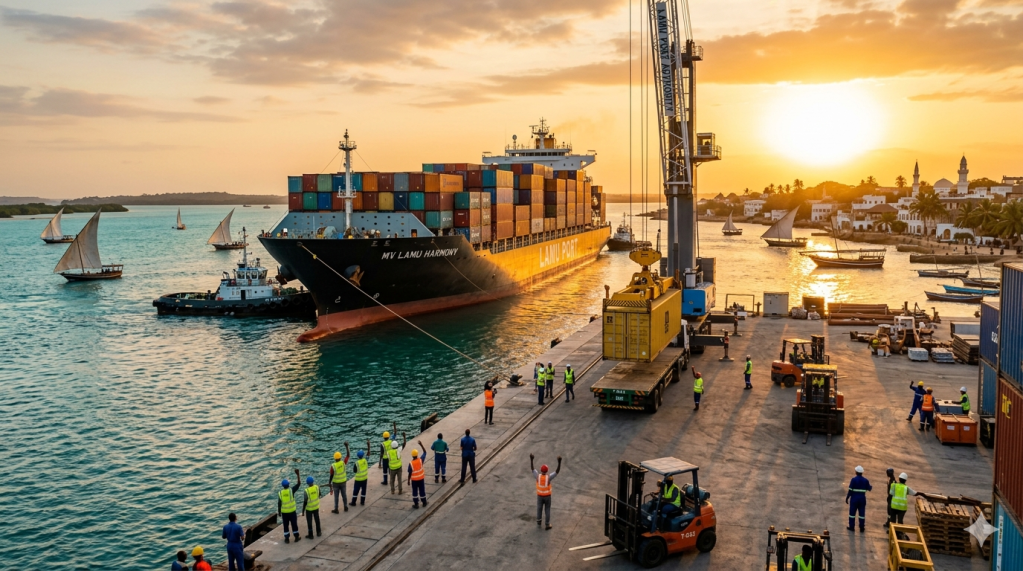
When the first large container ship diverted from the troubled Strait of Hormuz docked at Lamu Port last week, the usually quiet waterfront suddenly came alive. Dock workers who had grown used to long idle periods found themselves working overtime. A young logistics entrepreneur from Malindi stood on the pier, phone in hand, already negotiating warehouse space for the unexpected cargo.
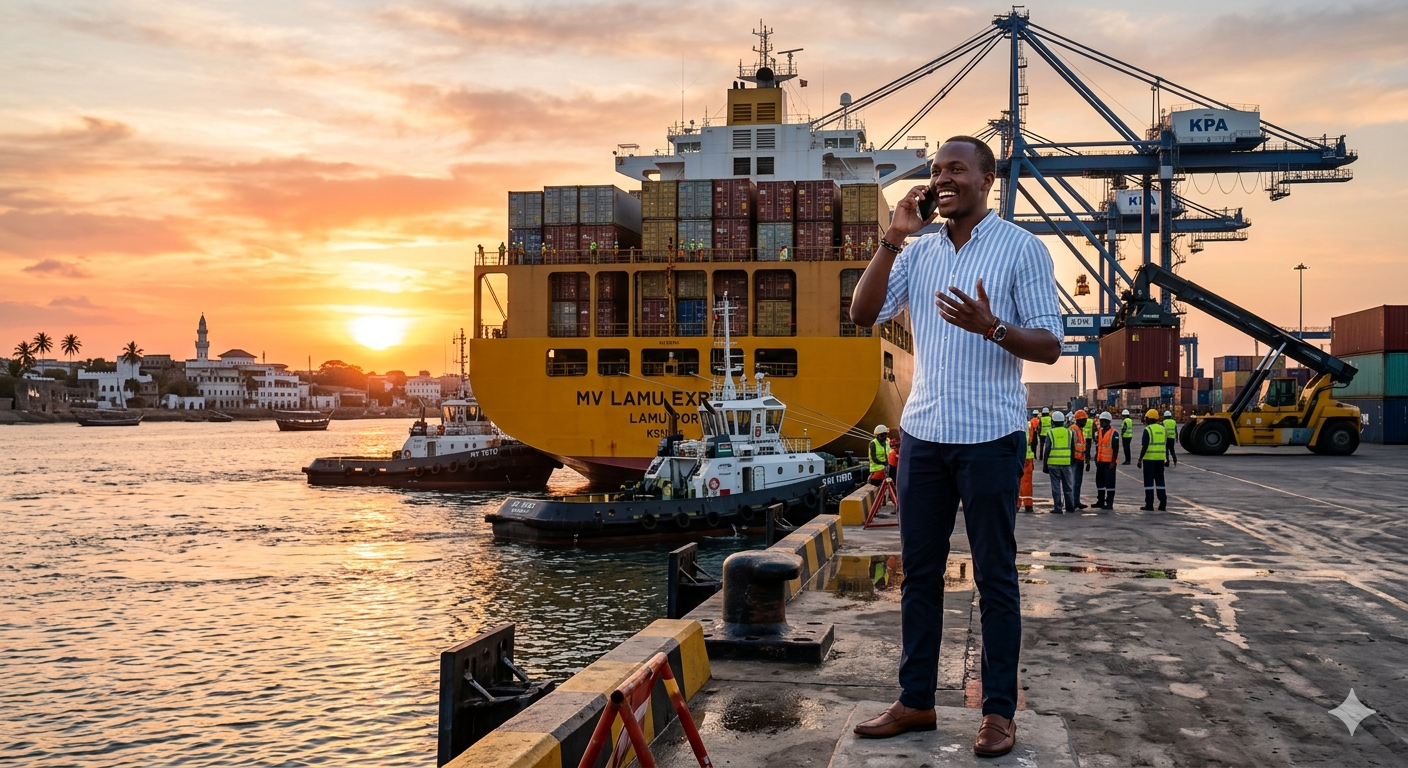
What started as a crisis in the Persian Gulf is quietly turning into an unexpected opportunity for Kenya’s second port.
The Global Rerouting That Changed Everything
Since late February 2026, the ongoing conflict involving Iran has made the Strait of Hormuz extremely high-risk for commercial shipping. Tanker traffic has dropped dramatically, with some days seeing only a handful of vessels instead of the normal 138. Major shipping lines including Maersk, Hapag-Lloyd, CMA CGM and MSC have suspended or heavily restricted transits.
As a result, thousands of vessels are taking the much longer route around the Cape of Good Hope in South Africa. This adds 10 to 14 extra days to journeys and significantly increases fuel, insurance, and crew costs. Many ships that would normally pass through the Red Sea and Suez Canal are also avoiding that corridor due to spillover risks from Houthi actions.
In this chaos, Lamu Port — long under-utilised and waiting for its moment — has suddenly become a strategic stopover point for some rerouted vessels heading to or from East Africa.
Lamu’s Moment Has Arrived
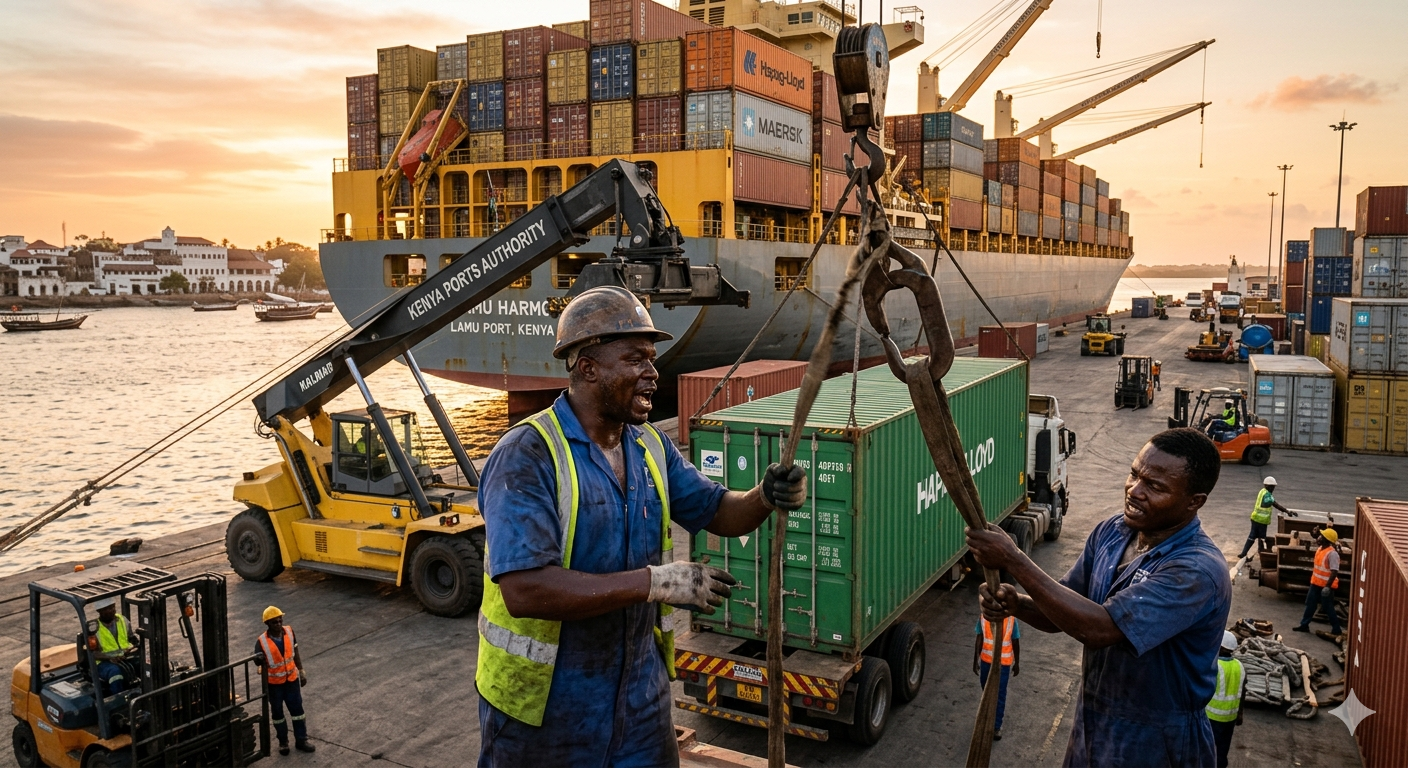
Port workers and local businesses are already feeling the difference. In the last two weeks, Lamu has recorded a noticeable surge in vessel call-ins compared with the same period last year. At least three Middle East-bound cargo ships have been confirmed diverted to Lamu as carriers look for safer and more convenient stops along the African coast.
For a port that has struggled to attract consistent traffic since its official opening, this is a game-changer. Local entrepreneurs are moving fast. One young man from Malindi who started a small warehousing business two years ago told me he has already signed three new contracts in the past ten days. “We were struggling to fill even half our space,” he said. “Now we are turning away bookings.”
Real estate agents near the port area are also seeing renewed interest. Plots and small commercial buildings that sat unsold for months are suddenly getting inquiries. Some locals are already calling it “Lamu’s Dubai moment” — perhaps optimistic, but the energy is undeniable.

The Human Side of the Boom
Not everyone is celebrating equally. While logistics companies and warehouse owners are gaining, small traders at the old Lamu waterfront who rely on traditional dhow trade are watching nervously. Fuel and food prices in the town have also ticked up slightly as more people and trucks move through.
Yet for many young Kenyans in the coastal region, this shift brings hope. A group of youth who recently completed a port operations training course are now being hired for short-term contracts. One of them, a 24-year-old woman from Lamu town, said with a smile: “We were told the port would bring jobs. It took a war far away for it to start happening.”
What This Means for Kenya and East Africa
Lamu’s gain is partly Mombasa’s loss in the short term. The bigger port is feeling the pressure of higher insurance costs and some diverted traffic. However, the overall rerouting is strengthening East African corridors. The Standard Gauge Railway extension from Naivasha toward Malaba and improved road links are becoming even more important as alternative routes gain relevance.
Analysts say that if the Hormuz situation remains difficult for months, Lamu could cement itself as a serious player in regional logistics. This creates opportunities not just in shipping, but in cold-chain storage, trucking, and even drone delivery experiments for last-mile distribution.
Practical Opportunities for Readers
If you are an entrepreneur or investor watching this space, here are three areas worth exploring:
- Warehousing and storage near Lamu Port — demand is rising fast.
- Trucking services between Lamu, Mombasa and inland markets — the longer sea routes make road transport more competitive on certain corridors.
- Logistics start-ups focusing on tracking and insurance solutions for rerouted cargo.
Of course, risks remain. If the conflict de-escalates quickly, traffic could return to traditional routes. But for now, the window is open.
The Compound Is Still the Compound
Even in the middle of global shipping chaos, life in Lamu continues with its own rhythm — fishermen heading out at dawn, women selling fresh coconuts, children playing near the old stone town. The port boom may bring new money and new faces, but the heart of Lamu remains the same.
From where I sit, watching how a distant war is quietly reshaping opportunities along our coast, I’m reminded that Kenya has always found ways to turn challenges into pathways. The question is whether we will move fast enough to make the most of this unexpected lifeline.
Call to Action
Have you noticed any changes in shipping, logistics, or business activity near Lamu or Mombasa because of the Hormuz situation? Are you an entrepreneur already exploring new opportunities in this space? Drop your observations or stories in the comments below. Share this piece with someone in logistics or real estate who might benefit. Let’s keep the conversation going.
References (all verified working as of 22 March 2026)
- Dawan Africa – Lamu Port Records Surge in Ship Call-Ins as Middle East Crisis Disrupts Routes (16 Mar 2026)
- Business Insider Africa – Iran’s Hormuz disruption turns little-used Kenyan port into refuge for shipping traffic (21 Mar 2026)
- Streamline Feed – Lamu Port Emerges as Strategic Pivot (20 Mar 2026)
- The Star Kenya – Charter fees spike as vessels reroute (18 Mar 2026 updates)
- Reuters/Global Trade Magazine – Major lines rerouting to Cape of Good Hope (March 2026 shipping reports)





 Sure Media Magazine
Leave a comment