
We live in the age of the perfectly curated feed. Before we’ve even zipped our suitcase, we’ve already scrolled past the “must-take” photo at the museum, the “famous” dish at that overpriced café, and the “viral” hotel you have to book six months out.
But is that really traveling? Or are we just chasing the same screenshots everyone else is posting?
The most transformative journeys aren’t found in a search engine’s top result, they are felt in the moments between the landmarks. Shifting the focus from sightseeing to sensing is the key to unlocking experiences that stay with you long after you return home. Here is how you can ditch the algorithm and find a travel experience that is uniquely yours.

1. Use the “Backup Plan” Method
If you want to find authenticity, stop planning your lunch on TripAdvisor. The platform has its uses, but the top-rated spots are often overrun with tourists seeking the exact same experience.
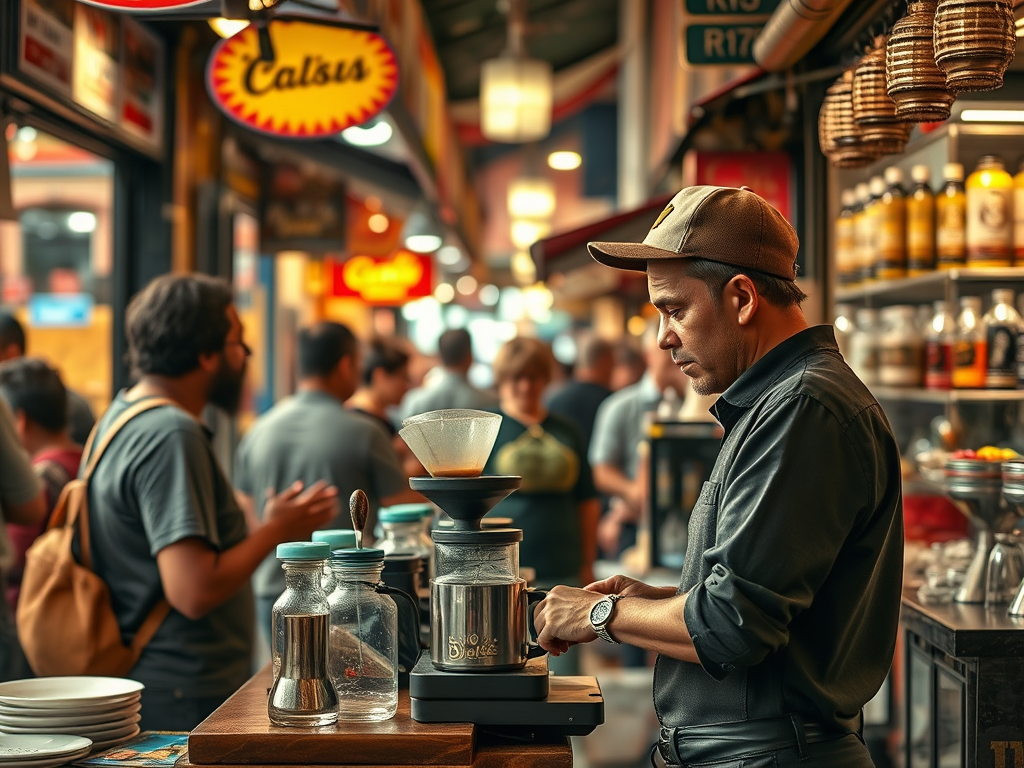
When I land in a new city, I ask locals—not hotel concierges, but the barista making my coffee or the vendor at the market—where they eat on their day off. There is a rule I call the “Backup Plan”: If a restaurant has a menu in five languages and a host out front trying to pull you in, keep walking.
The Sweet Spot: Look for the spot filled with people on their lunch break. It might be crowded, the service might be blunt, and you might have to point at what the person next to you is eating. That is where the soul of a city lives. On your next trip, delete the influencer recommendations and walk three streets away from the main square. That is where the real meal is.
2. Navigate by Curiosity, Not Coordinates
There is a pressure in modern travel to be efficient. We treat our vacations like a checklist: If we see four cathedrals in six hours, we win.
But travel isn’t a productivity contest. Some of the most memorable journeys come from getting lost. Put down the phone. Look up at the architecture. If you see a narrow alleyway that looks mysterious, take it. If you hear music echoing down a street, follow it.
When we stop rushing from Point A to Point B, we enter a state of what many call “slow travel”. We notice the texture of the cobblestones, the smell of rain on hot pavement, and the subtle shifts in accents as we move from neighborhood to neighborhood. These are the details that turn a good trip into a story worth telling.
For those looking to dive deeper, resources like Atlas Obscura offer a wonderful starting point—not for the main attractions, but for the curious, hidden corners of the world that guidebooks often miss.
3. The Souvenir Shift
We usually buy souvenirs to prove we were somewhere. But a mass-produced magnet made in a factory doesn’t hold a memory. It gathers dust.
I challenge you to adopt a different approach. Instead of a souvenir, bring home a consumable or a skill.
- Take a cooking class: Platforms like Airbnb Experiences or Cookly connect you with locals often grandmothers or home cooks who teach you recipes passed down through generations.
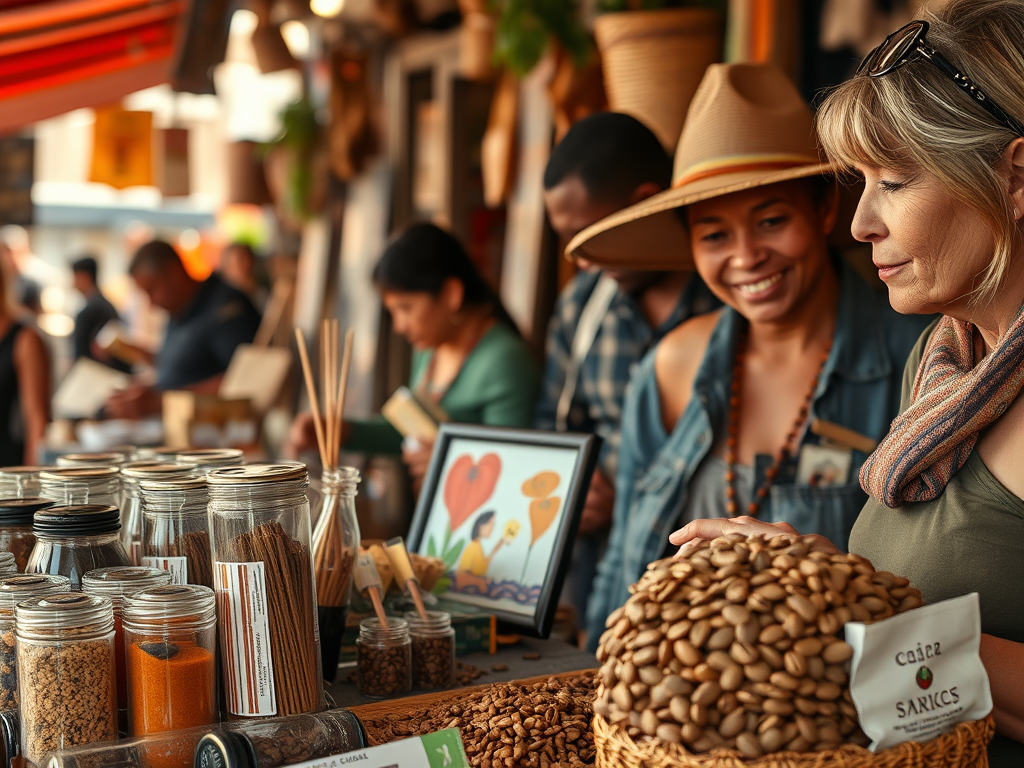
- Shop at local markets: Instead of a gift shop, visit a neighborhood market. Buy a unique spice blend, a small piece of art from a street vendor, or locally roasted coffee beans.
- Keep the ephemera: Bring home a ticket stub from a local bus, a metro map, or a handwritten receipt. These small paper items carry the story of your journey far better than a mass-produced trinket ever could.
Stories are the only souvenirs that truly matter.
Conclusion: The Journey is Yours
The travel industry wants you to believe that you need a specific itinerary, the right gear, and the perfect lighting to have a valid experience. But the truth is simpler.
Authenticity isn’t something you buy; it’s something you allow yourself to notice. It requires putting down the phone, trusting your instincts, and giving yourself permission to deviate from the plan.
For your next adventure, leave a little room for the unexpected. Skip one landmark. Talk to a stranger. Take the wrong turn. That is where the real journey begins.





 Sure Media Magazine
Leave a comment