
The Environmental Impact of Fast Fashion
The rise of fast fashion has made clothing more cheaper and affordable and accessible than ever before. This convenience though has led to serious Environmental consequences. Many garments are produced quickly and worn only a few times before being discarded, contributing to massive textile waste in landfills. In addition, the production of clothing requires large amounts of water, energy, and chemicals, which can harm ecosystems and communities.
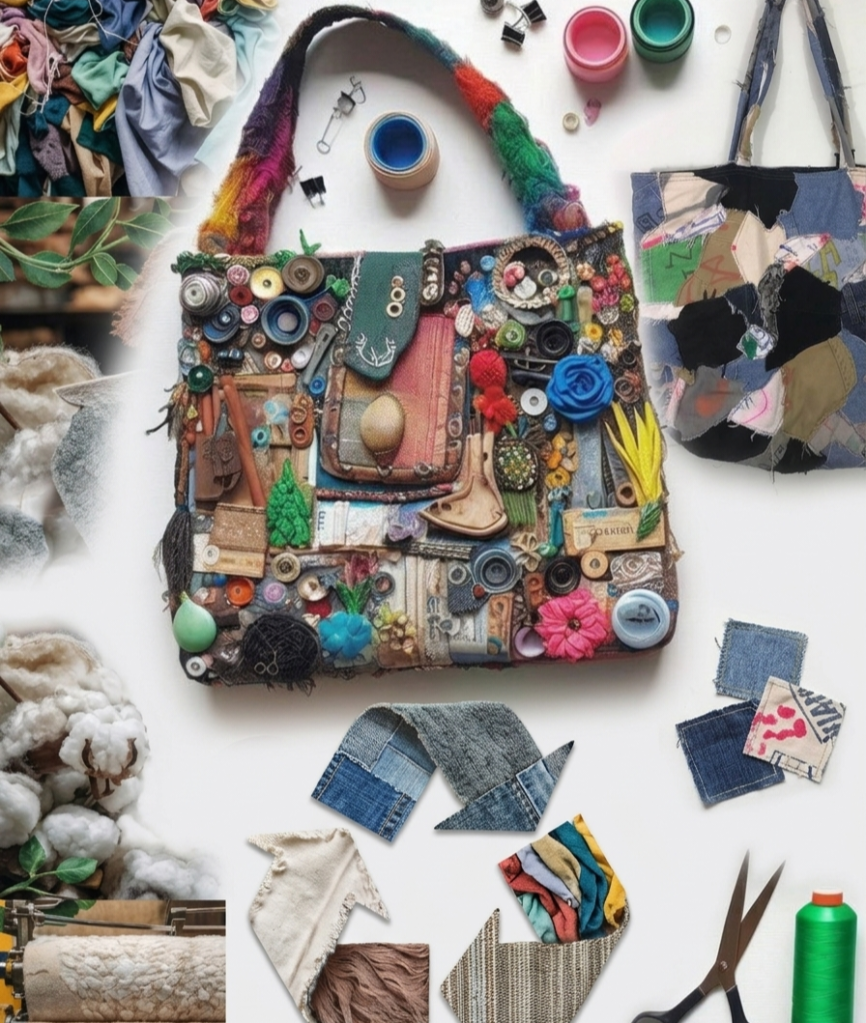
Growing Consumer Awareness
In recent years, consumers have become more aware of how their purchasing practices affect the environment. The awareness is driving popularity in thrifting, clothing repair and supporting brands with transparent sustainable alternatives leading in a growing interest in circular consumption. Social media and online platforms have also helped spread awareness about the environmental impact of the fashion industry.
Innovation in Sustainable Materials
Fashion brands are increasingly exploring eco-friendly materials such as organic cotton, recycled fabrics, bamboo, and biodegradable textiles. These innovations help reduce environmental impact while maintaining quality and style. Technological advancements are also helping companies reduce waste and improve efficiency in clothing production. This has focused on reducing carbon footprints and waste thus promoting a circular economy.
Benefits for Fashion Businesses
Adopting sustainable practices is not only beneficial for the environment but also for businesses, Key advantages include, high-profit margins through private labeling, strong brand loyalty, and the ability to differentiate via unique, sustainable, or personalized designs. Brands that prioritize sustainability often build stronger trust with customers who value responsible consumption. This can lead to increased customer loyalty and a stronger brand reputation in a competitive market.
Conclusion
The Future of Fashion
As environmental awareness continues to grow, sustainability will play a major role in shaping the future of the fashion industry. Brands that embrace eco-friendly materials, ethical production, and responsible consumption will be better positioned for long-term success. Sustainable fashion is no longer just a trend, it is becoming a necessary step toward a better future for both the industry and the planet.





 Sure Media Magazine
Leave a comment