
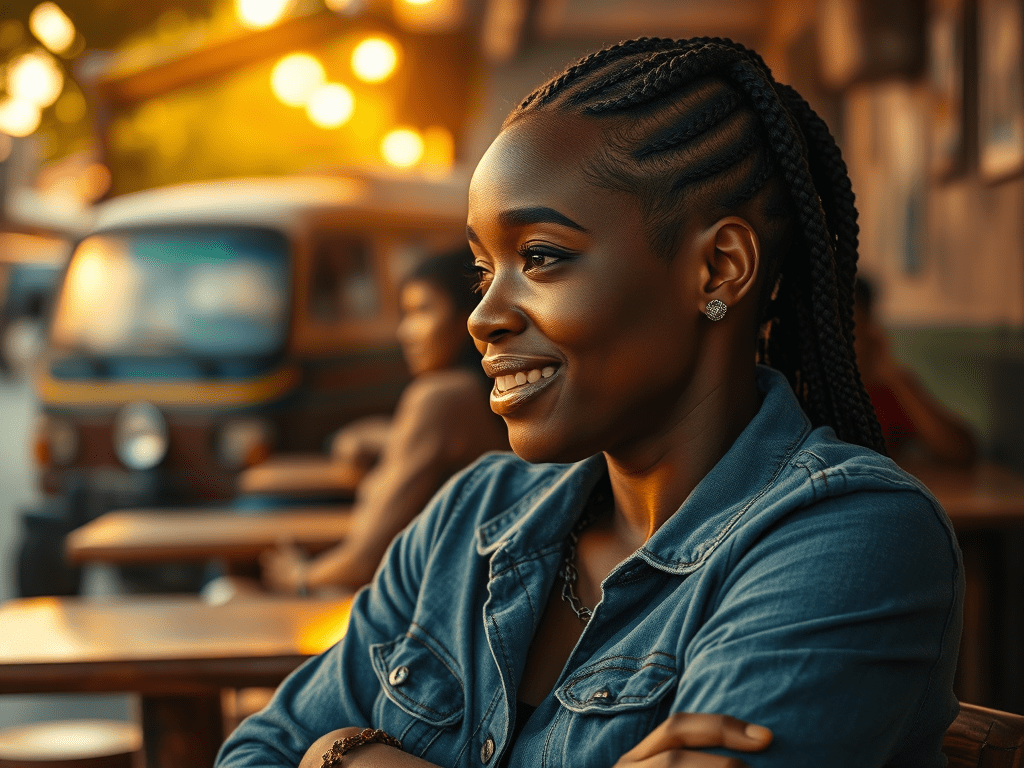
I was the poster girl for the slaying in Nairobi at age 28. I woke up at 6 a.m. and would go to Talisman in Kilimani for yoga brunches. The golden hour light made the acai bowls look great, and my caramel-highlighted braids were just right for the camera. I knew how to use my filters, angles, and captions: #HustleAndGlow #BossBabe
The formula worked. There were a lot of likes. Brands paid attention. Curated perfection paid the bills. People I didn’t know sent me DMs with the word “goals.” I believed what they said. I had learned how to be a modern woman, just curate, post, and win. But something was slowly breaking below the surface.
When the Glow-Up Went Wrong
The front didn’t just crack in the sixth month; it blew up. I would scroll through my own grid and compare my “perfect” to everyone else’s at 2 a.m., when my heart was racing. The anxiety never stopped and was too much to handle.
What I thought was making me strong was actually making me weak. Instagram wasn’t helping me as a performer; it was actually hurting me. A version of me that looked good but wasn’t true.
And I wasn’t alone. Young women in every part of Kenya are feeling the same pressure that can’t be seen. Comparison culture is a silent disease that makes people anxious, tired, and feel like they’re never good enough. We weren’t doing well; we were just living in curated squares.
The Time I Quit in Anger
I did something crazy, I gave up. I deleted the app. I broke my light ring and walked right into the messy, unfiltered city of Nairobi.
I started my rebellion in a matatu that went from Rongai to town. There was no show in sight, and I was barefaced with my hair pulled back into a quick puff. People looked. I felt like I was naked. But for the first time in months, I also felt free. No angles or subtitles, life was real and unfiltered, just sweat on my forehead, hawkers yelling, and diesel in the air.
I got used to that trip to work. In that busy, unpredictable space, I learned something that Instagram never taught me: you don’t need a filter to be strong.
The Aunts Who Changed the Meaning of Power
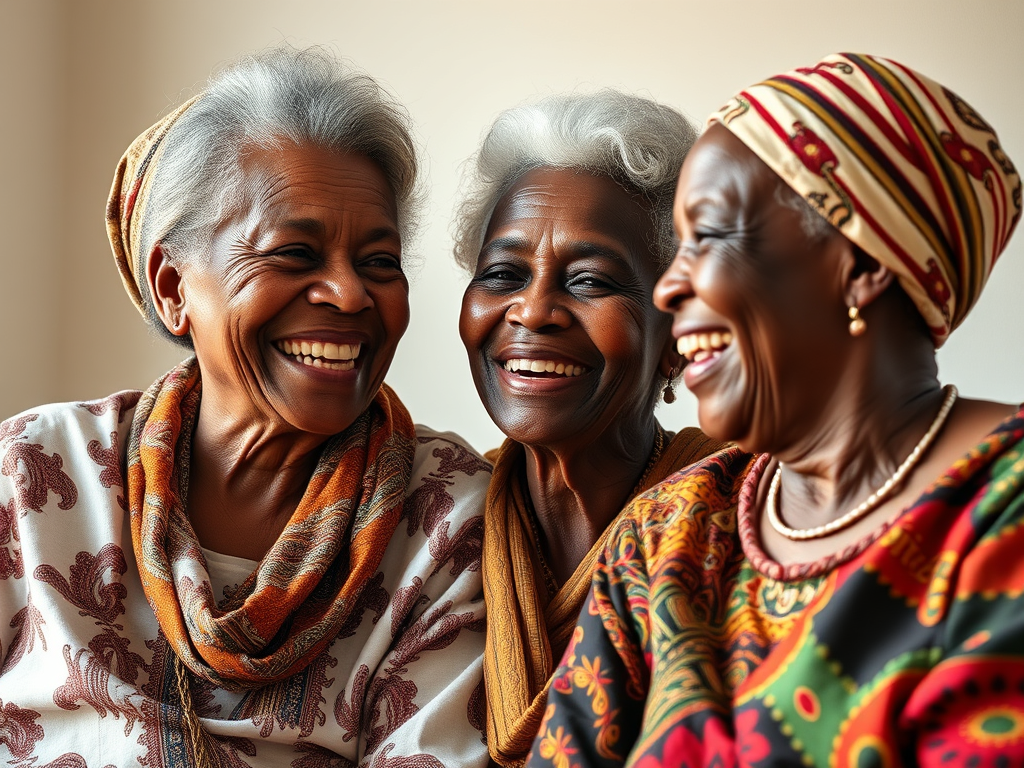
We ate ugali and sukuma wiki at my grandmother’s house in Eastlands, which is where the real change happened.
My aunts, who had never written anything down in their lives, were like a mirror for me. Mama Zippy, who was 65 and still going strong, would laugh at my old life. “Why are you hiding your scars, Mrembo?” she’d ask. The fight is beautiful.
They weren’t pretty stories; they were epic. Going to school without shoes on. Taking care of five kids without getting any praise. Starting a business from the ground up. No planned glow-ups. Just grit, getting by, and growing.
Their laughter lines and unfiltered truths showed a kind of power that Instagram could never show. A womanhood that wasn’t just a role, but a way of life.
The Cost of Always Being “On”
There were cracks all over the place in my old world. I think of Lisa, my roommate, who is an influencer. She has 50,000 followers, brand deals, and the life she wants. Until it broke down. She went to Mathari Hospital because she was burned out. Later, she told me, “The pressure to stay on 24/7 is too much.” You leave after one bad post.
That’s when I realized we weren’t building empires. We were feeding an algorithm. We lost our humanity to be engaged. Put our stories into squares, our worth into numbers, and it was costing us everything.
Getting Back to Who I Am, One Piece at a Time
There wasn’t a big moment of getting better. It came without making a sound. I started writing down things I would never have posted while I was riding in a matatu. I posted about being alone after the age of 28, not knowing what to do, and wanting more than just how you look.
I joined a group of women in Buruburu. No cell phones, no filters, just real stories. Njeri quit her job in the corporate world to become a mama fua and wash clothes to pay for her daughter’s school. She smiled and talked, and her hands were rough but steady. “Is this dirt under my nails?” she asked. “That’s my glow.”
That’s when I understood that being real isn’t about how you look, it’s about being free. I started dating again, not for the sex but for the connection. Real, messy, and strange. No forms to fill out. Just experience. And slowly, happiness came back.
Changing How We Work
We need to be clear: this doesn’t mean you shouldn’t be ambitious. People in Nairobi need to work hard. You need to be creative, strong, and driven to stay alive here. But the online version of ambition isn’t right. It tells us to wear armor, to look perfect while we’re falling apart, and to value being seen over being valuable. That’s not strength; it’s performance.
I thought no one would say anything when I started my newsletter, which was full of rough, unedited essays about women like my aunts. Instead, it got bigger. Quietly, like it should be. Women wrote back, “At last, someone is being honest.” It turns out that being real is more than just being perfect.
The Real Story About Being a Woman
I don’t kill anymore at 29. More than anything else, I’m still alive. I don’t have to cover my face in a matatu anymore. It’s a sentence. My scars don’t bother me anymore; they are proof that I am living.
It’s not just a thought that there is a mental health crisis in Kenya. It’s in the things we don’t say, our friendships, and our timelines. And better filters or captions that make more sense won’t help. It will be fixed when we all stop believing the lie.
The idea that you can “glow up” is just an idea. It makes us smaller and quieter and gives us a version of being a woman that we can’t live up to.
So here’s the truth, plain and simple:
1. We don’t have to be perfect to be tough.
2. We don’t have to be useful to be seen.
3. We don’t have to do anything to be good.
It is not curated; it is asserted. And I’m done getting smaller.





 Sure Media Magazine
Leave a comment