
A Season That Goes Against the Rules
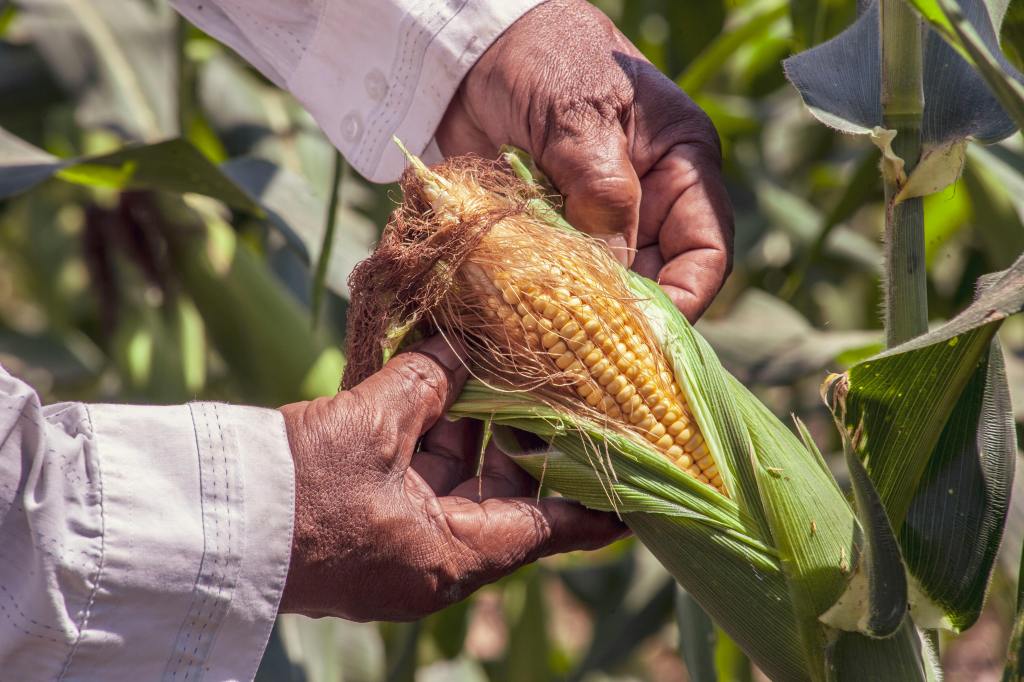
Farmers in Kenya have had the same pattern for a long time. People reasonably expect the rains to come. The crops would grow predictably. They knew when the harvest would take place.
That pattern is going away today.
Farmers all around the country are facing severe weather challenges. Late rains, long droughts, and unexpected floods can wipe out whole fields in only a few days. Everything that was once certain is now unclear.
When Rain Becomes a Risk
The once-reliable forecast of rain, a cornerstone of agriculture, has become a source of uncertainty.
Tom Odhiambo is a smallholder farmer in western Kenya. He remembers a time when he pinpointed the perfect moment to plant his seeds. “These days,” he says, “you will lose everything if the rains are late or come down in a torrent.”
Kenya only has 2% of its arable land that is irrigated, which is much less than the global average. This means that the country’s agriculture still relies heavily on rain.
This means that even small changes in the weather can have a big effect on how much food is grown.
The Cost for Farmers
Smallholder farmers, who are very important to Kenya’s food supply, feel the effects right away.
A lot of people in Kenya work in agriculture, especially in rural areas. Agriculture makes up more than 20–22% of the country’s GDP.
Seasonal rains are the lifeline of millions of farmers when all of this is going on.
The ramifications of a crop failure are very serious:
- Loss of income
- The issue of not having enough food
- Higher amount of debt
Changing rainfall patterns are messing up traditional farming cycles. This has already made some areas less productive since the weather is so unpredictable.
Adapting to a Changing Climate
Still, a lot of farmers can adapt, despite these changes.
Climate-smart agriculture programs have made farmers in western Kenya stronger. Better planting techniques, crop rotation, and protecting the soil are already making things better.
“Before, my yields were very low,” says another farmer who is working to make their farm more climate-friendly. “Even though the rains be bad, I can still get a harvest.”
These strategies not only help crops grow better, but they also help farmers deal with bad weather and droughts.
Technology’s role is expanding, too. Consider how farmers now access guidance and weather forecasts via their phones; this empowers them to make more informed choices.
What Policy and Investment Do
Changing behavior alone won’t solve the problem, as we all understand.
The agriculture sector supports up to 65% of exports and the jobs of millions of Kenyans.
But low productivity is caused by a lack of modern farming tools, irrigation, and money.
Money is a significant problem. Billions of dollars are needed each year to help East African farmers deal with climate change. Only a small part of this funding actually gets to smallholders.
Farmers will continue to suffer due to climatic shocks. This will happen unless there is more money for schools, roads, and other support services.
The Danger to Food Security
Climate change affects everyone on their farm, and the whole country feels the impacts.
Small-scale farming is an important part of Kenya’s food system because it provides a lot of the country’s food.
When crops don’t come in, food prices go up. Supply lines become disrupted. People who are already in need are more to go hungry.
Climatic extremes are happening more and more often. Ensuring everyone has enough food is important for the whole country. It is not just important for farmers.
Looking Ahead
Tom and his fellow farmers are facing a future in agriculture that’s of a mixed bag, really. It’s uncertain, sure, but also bursting with possibilities.
The world is changing, fueled by tech breakthroughs, better farming techniques, and government initiatives. Yet, making these changes widespread is still proving difficult.
Kenya’s agricultural economy’s future hinges on how swiftly systems adapt to support farmers navigating an increasingly erratic climate.
Why?
Because farming is the main source of income for millions of Kenyans.




 Sure Media Magazine
Leave a comment