
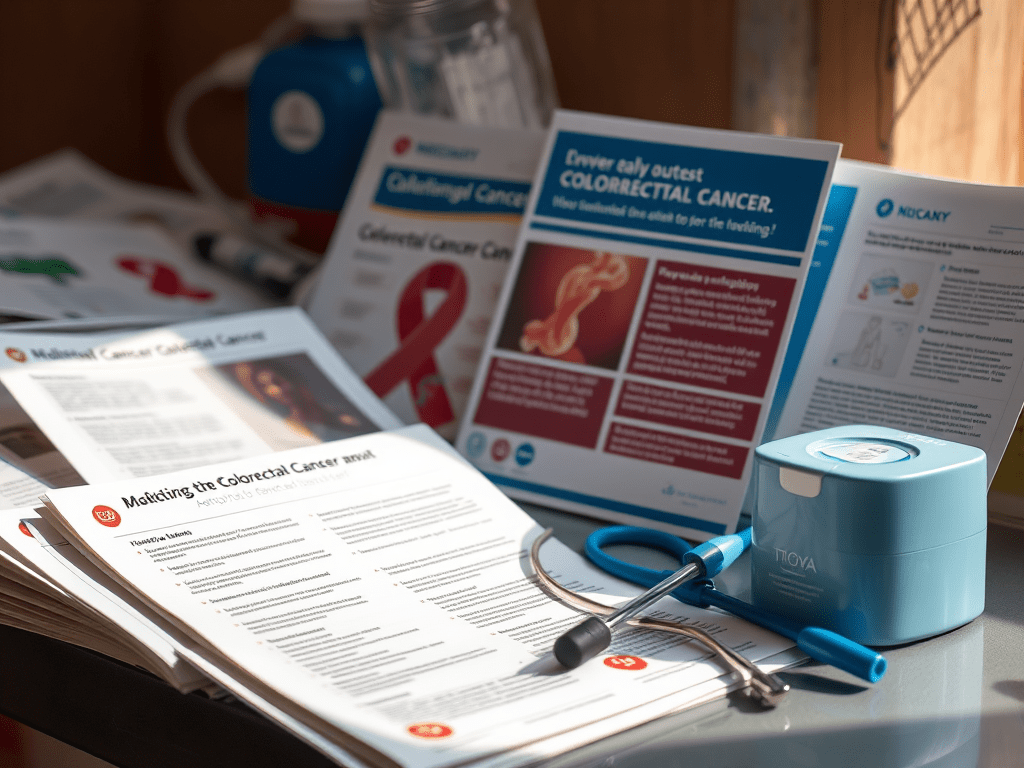
Early-onset colorectal cancer (EOCRC), diagnosed before the age of 50, is rising rapidly across the world. In the United States, it has become the leading cause of cancer death among people under 50. Kenya and much of Africa are now witnessing a similar alarming trend. While cervical, breast, esophageal, and prostate cancers still dominate the overall cancer burden, colorectal cancer (CRC) is increasing sharply, particularly among younger adults.
Kenya’s National Cancer Control Strategy (NCCS) 2023–2027 has identified CRC as one of four priority screenable cancers. The strategy focuses on prevention, early detection, and screening, with the ambitious goal of reducing premature cancer deaths by one-third by 2028.
Current Rates in Kenya
According to the latest GLOBOCAN 2022 estimates, Kenya recorded 44,726 new cancer cases and 29,317 cancer deaths annually. Colorectal cancer accounted for 3,091 new cases, representing 6.9% of all cancers and ranking fifth overall.
- Males: 1,492 cases (9.1% of male cancers, third most common after prostate and esophagus)
- Females: 1,599 cases (5.6% of female cancers, fourth most common after breast, cervix, and esophagus)
CRC caused 2,116 deaths (7.2% of all cancer deaths, ranking fourth). The five-year prevalence stands at 7,326 cases. These numbers reflect both population growth and improved cancer registries in areas such as Nairobi and Eldoret. Overall, cancer is now Kenya’s third leading cause of death after infectious diseases and cardiovascular conditions.
In Africa, the age-standardized incidence rate for CRC was approximately 8.2 per 100,000 in 2022 (higher in men). East Africa, including Kenya, shows notable rates. Projections indicate that CRC cases across the continent could surge by 139.7% by 2050, with deaths rising by 155.2%. Kenya is expected to see a proportional increase driven by population growth and changing risk factors.
Rise in Early-Onset Colorectal Cancer and Key Risks
Although CRC is not yet the top cancer killer for Kenyans under 50 (where cervical and breast cancers still lead), early-onset cases are surging. Recent studies and reports from 2025–2026 describe this as a “silent crisis” fueled by rapid urbanization and the adoption of Western lifestyles.
Major risk factors in the Kenyan context include:
- High consumption of ultra-processed foods, red and processed meats, and low-fiber diets
- Rising obesity, physical inactivity, alcohol use, and tobacco smoking
- Disruption of the gut microbiome and chronic inflammation
- Genetic predisposition and family history (stronger influence in young Africans)
- Hereditary conditions such as Lynch syndrome and familial adenomatous polyposis
- Inflammatory bowel disease
Protective factors include diets rich in fruits and vegetables and regular physical activity. Common symptoms — rectal bleeding, changes in bowel habits, anemia, unexplained weight loss, and abdominal pain — are frequently ignored or mistaken for other conditions, leading to late-stage diagnosis (often stage 3 or 4) and poorer outcomes. The shift from traditional to urban diets is affecting both cities and rural areas.
Current Interventions
Kenya has rolled out the updated National Cancer Screening and Early Diagnosis Guidelines (2024) under the NCCS. The target is to increase CRC screening coverage from less than 1% to 30% by 2027/2028 for people aged 45–75. A pilot screening programme will first test feasibility before national scale-up, fully integrated into primary healthcare and Universal Health Coverage (UHC).
Recommended screening approach:
- Average-risk individuals: Begin at age 45 with an annual fecal immunochemical test (FIT), preferred for its accuracy. A positive result requires follow-up colonoscopy.
- High-risk individuals (family history, polyps, IBD, or genetic syndromes): Start colonoscopy at age 40 (or 10 years before the youngest affected relative’s diagnosis), and sometimes as early as age 18. Repeat every 5–10 years.
Screening is tiered across health system levels: awareness at community level, stool-based tests at health centres, and colonoscopy at county and national referral hospitals. The programme emphasises training, mobile outreach, electronic record-keeping, and strong referral pathways.
Treatment primarily involves surgery (with lymph node removal), supported by chemotherapy regimens such as FOLFOX and limited radiotherapy. However, only about 28% of diagnosed patients currently receive treatment due to just 12 comprehensive cancer centres nationwide, staff shortages, frequent medicine stock-outs, high out-of-pocket costs, and very low access to palliative care (around 2%). A key goal is to reduce the proportion of advanced-stage cases from 69% to 50% through earlier detection.
Future Outlook and Global Advances
Cancer cases in Kenya are projected to rise to approximately 58,000 per year by 2028 and exceed 95,000 by 2040. The NCCS prioritises expanding cancer registries to cover 20% of the population, strengthening research (including genomics), training more specialists, and embedding cancer care into UHC. Even modest improvements in early detection could boost survival rates by 5–10%. The target for childhood cancer five-year survival is 60% by 2030, up from the current 20%.
Globally, exciting advances in gene editing (CRISPR), mRNA-based cancer vaccines, and xenotransplantation are opening doors to precision oncology. Kenya is beginning to explore genomic testing, cell therapies, and mRNA technology transfer. While these innovations offer long-term hope, the immediate focus remains on affordable, scalable solutions such as widespread FIT screening, improved endoscopy capacity, and lifestyle interventions. Partnerships with KEMRI, the National Cancer Institute-Kenya, and international organisations will be critical to bridging the gap.
In summary, Kenya faces a growing threat from early-onset colorectal cancer as lifestyles change, but it also has a clear policy roadmap. Simple, low-cost actions — raising awareness of symptoms and risks, adopting high-fiber diets, staying physically active, reducing alcohol and tobacco use, and discussing family cancer history — can deliver immediate benefits. Early-stage CRC has an 80–90% five-year survival rate, compared to just 10–15% when diagnosed late.
Strong execution of screening pilots, infrastructure expansion, and strategic partnerships will determine how effectively Kenya protects its young colons and bends the curve of this rising disease.
For personal risk assessment or screening, consult your nearest Ministry of Health facility or a qualified healthcare provider.





 Sure Media Magazine
Leave a comment