
Before the World Wakes
She is already awake by 5:30 a.m.
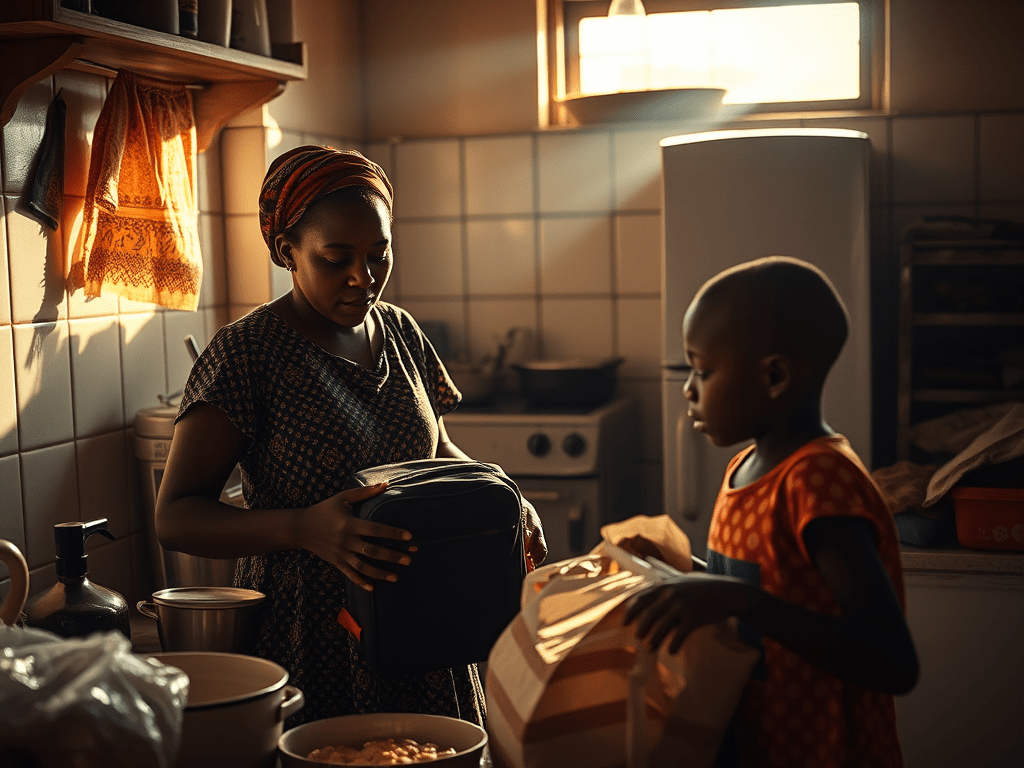
The day starts off gently at her home on the outskirts of Nairobi. She boils water, packs lunches, and irons uniforms. By the time her children stir, she’s already put in a full shift.
“There’s no real rest,” says a woman from Nairobi who was interviewed for a regional study on unpaid care. “Your mind is still working, even when you’re sitting.”
There is no set time or clocking out. Just a never-ending loop of care.
For a lot of women, this is motherhood—not just a job, but a constant flow of duty that doesn’t stop.
The Work That Makes Everything Work
People often talk of becoming a mother in emotional words, such love, sacrifice, and fulfillment. But beneath those phrases comes something real: work.
- Unpaid,
- Steady, and
- Necessary work.
A lot of this work goes silently, like cooking, cleaning, taking care of people, and planning. It involves both physical and mental chores. These include remembering educational demands, keeping track of calendars, and anticipating potential difficulties.
UN Women says women do more than three times as much unpaid care work as men worldwide. That disparity is significantly greater in many African homes.
But this work, which supports families and economies, is hardly counted.
When Motherhood Changes Jobs
For a lot of women, being a mother has effects that go beyond the house.
Some people stop working for a while. Some people keep working. They make compromises by turning down promotions. They also cut back on hours or choose flexibility over growth.
Many girls and women admit, “I had a chance to grow at work. But it would mean arriving home late. I couldn’t do both.”
According to the International Labor Organization, caregiving duties continue to hinder women. These duties prevent them from fully participating in the workforce.
Over time, these choices affect your income, job progress, and ability to be financially independent.
The Weight You Can’t See
The emotional load is something that is tougher to evaluate than the outward responsibilities.
- The expectation to be there.
- To wait.
- To keep everything in one place.
Research from the World Health Organization shows that women are more prone to stress linked with caring responsibilities. This is especially true in contexts with inadequate support systems.
But these truths are often veiled by romanticized pictures of parenting that don’t allow for tiredness, irritation, or weakness.
“You don’t talk about being overwhelmed,” they say. “Just keep going.”
More Roles, Same Expectations
Women have taken up more positions over the years. More women are working, making careers, and helping the economy develop.
At home, still, the situation hasn’t shifted much.
The World Bank reports that women continue to shoulder a disproportionate amount of unpaid care work. This remains the case even when they’re employed full-time.
This means that you have to finish both work and home duties at the same time.
It’s hard to keep the balance without structural support.
What Needs to Be Different
The first step is to realize how heavy the load is.
Real change requires practical solutions, like
- Affordable childcare,
- Flexible work hours, and
- Policies that support both parents.
People also need to change how they think about care. They should see it as a shared job instead of a woman’s job.
When caregiving is acknowledged and valued, the burden on women begins to lessen. A Strength That Deserves Recognition. Mothers are there, without fail.
These individuals create patterns, face challenges directly, and offer a sense of security, often without being recognized.
Resilience, nonetheless, should not be mistaken for a lack of difficulty.
It’s the work you put in that builds your strength.
Sacrifice is what makes the routine possible. Behind being a mother is work that deserves recognition. It should be seen not only as a personal obligation but also as a societal and economic contribution.





 Sure Media Magazine
Leave a comment