
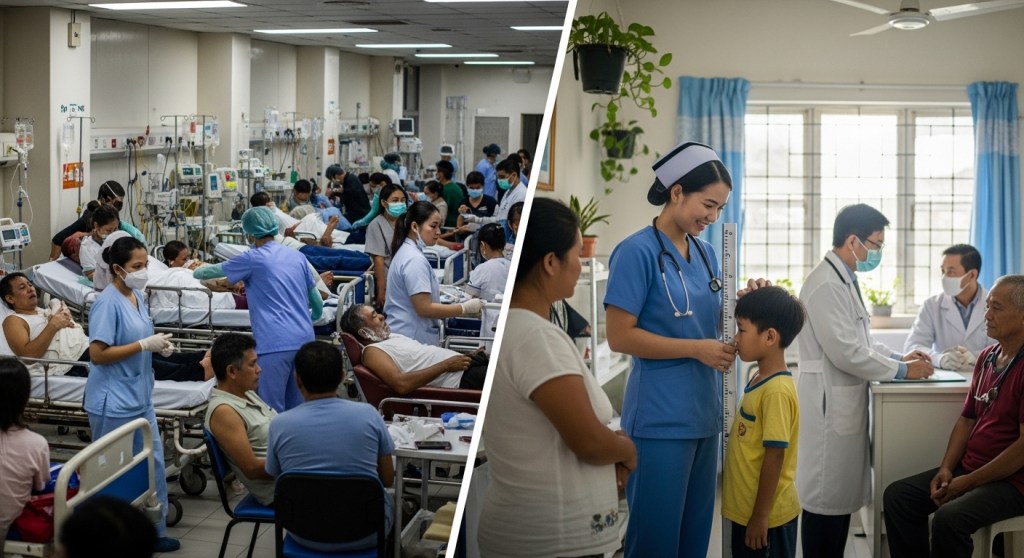
Emergency response saves lives, but prevention determines who needs saving.
When a health crisis hits, the response is immediate.
Budgets shift quickly, hospitals increase capacity overnight, international teams show up, and leaders give press briefings. The system acts fast.
And yes, those actions save lives.
But these actions also highlight a serious problem.
By the time emergency systems kick in, the chance to stop the crisis has already passed.
For example, in northern Kenya, delayed responses to cholera outbreaks often stem from basic issues: limited access to clean water and weak early detection. By the time treatment centers are full, the real problem has already happened earlier.
This is not unique. It is a pattern.
The cycle keeps repeating: quick response, slow recovery, then another crisis.
Meanwhile, the most effective health systems rarely make the news. They prevent outbreaks before they spread. They detect risks early. They reduce the need for emergency response in the first place.
The Numbers Behind the Problem
This isn’t just a problem with systems; it’s a global economic and human issue.
The World Health Organization estimates that millions of deaths each year are linked to conditions that could be prevented or treated early: maternal complications, infectious diseases, hypertension, and diabetes.
At the same time, the World Bank estimates that pandemics can cost the global economy trillions of dollars. COVID-19 wiped out years of development gains in many countries.
Despite this, most funding still goes to hospitals and emergency care. Prevention, which gives the best return on investment, remains underfunded.
“Emergency response saves lives in the moment. Strong public health systems decide if those emergencies happen at all.”
Where the System Breaks: Built to React, Not Prevent
Most health systems don’t fail suddenly. They weaken gradually.
Clinics run out of key medicines, community health workers have too many households to cover, and disease reports get delayed by days or weeks. Small problems add up.
Individually, these issues seem manageable. Together, they create vulnerability.
Look at malaria control. When community testing and prevention are strong, cases get caught early and treated fast. When they’re weak, infections spread quietly until hospitals fill up.
At that point, the system shifts from prevention to reaction.
Reacting always costs more.
Why Prevention Still Struggles to Compete
Primary Healthcare Is Undervalued
Primary care is the basis of prevention. It offers early checkups for pregnant women, spots high blood pressure before strokes happen, and gives kids their vaccines.
But in many places, especially in Sub-Saharan Africa, primary healthcare centers have too few staff, unreliable drug supplies, and weak funding.
People don’t skip care by choice; they do it because access isn’t reliable.
Systems Don’t Talk to Each Other
In many countries, health systems are fragmented. Hospitals, clinics, and public health agencies collect different data that rarely connect in real time.
That gap matters.
Prevention depends on rapid information flow.
If an outbreak begins in one district, delays in data sharing can allow it to spread across regions before action is taken.
Early Warning Systems Are Still Weak
Speed is everything in public health.
Countries that contained COVID-19 early relied on fast testing, clear reporting systems, and immediate response mechanisms.
Where those systems were slow or unclear, the virus moved faster than policy.
The lesson is simple: you can’t stop what you don’t catch early.
The Workforce Gap Is Real and Growing
You cannot run a health system without people.
Many countries face critical shortages of doctors, nurses, and community health workers. Rural areas are hit hardest.
In Kenya, community health volunteers are often the first and sometimes only contact people have. When they lack support, the whole system weakens from the ground up.
Prevention needs people to be present. And presence means having enough staff.
What Strong Public Health Systems Actually Do Differently
The difference lies not in theory but in structure:
• Bring healthcare closer to communities
• Detect problems early through real-time data
• Invest in frontline health workers
• Build trust so people seek care early, not late
• Fund prevention consistently, not just during crises
These ideas aren’t complicated, but they need steady political and financial support.
What Prevention Looks Like on the Ground
Community Health Workers: The Frontline That Works
In Ethiopia and Rwanda, community health worker programs have transformed access to healthcare.
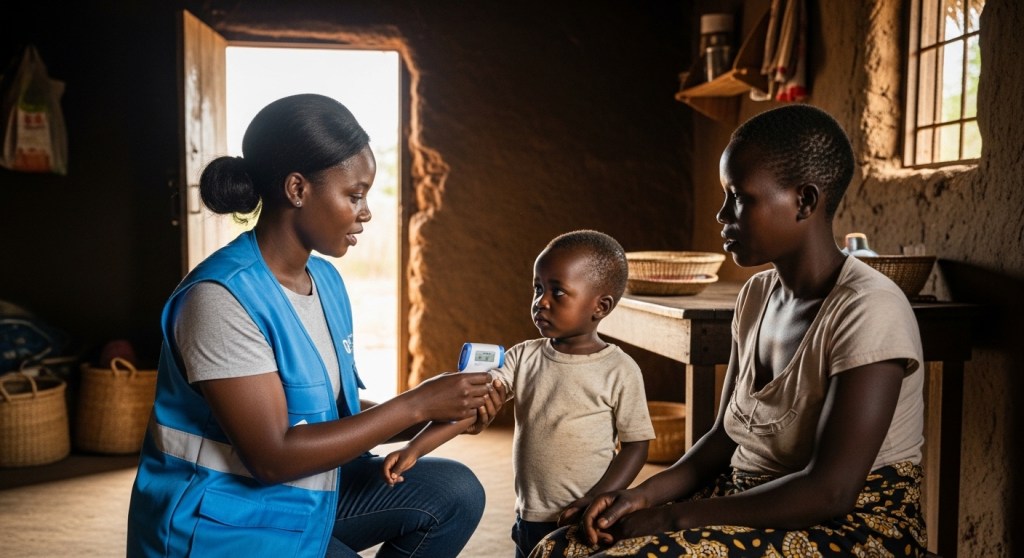
Health workers visit homes, track pregnancies, watch child health, and teach families. They reach out to patients instead of waiting for them to come.
The result? Earlier diagnosis, fewer deaths, and stronger trust.
This is prevention in practice.
Vaccination: The Quiet Giant of Public Health
Vaccines don’t often make headlines, and that’s exactly why they work.
They work so well that the crises they stop never happen.
Global immunization programs have drastically reduced diseases like measles and polio. They are among the most cost-effective interventions in development.
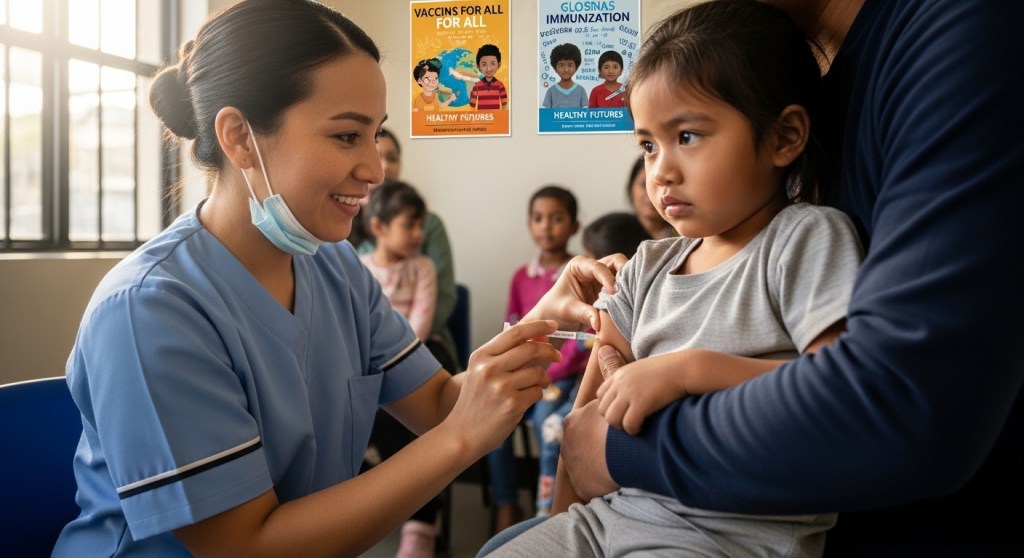
Every dollar spent saves several dollars in future treatment costs.
Surveillance: Seeing Before It Spreads
In countries with robust disease-tracking systems, outbreaks are contained more quickly.
Testing, reporting, and response take days, not weeks.
That difference determines whether a health issue stays local or becomes national.
What Needs to Change: Policy That Focuses On Prevention
If prevention works, why isn’t it in the lead?
Prevention is quiet; it doesn’t make headlines or show quick wins.
But policy needs to look past what’s visible. Governments and partners should:
- Increase funding for primary healthcare, not just hospitals.
- Build real-time surveillance systems that inform decisions in real time.
- Integrate health systems so data and services connect.
- Invest in workforce development, especially at the community level.
The United Nations continues to promote universal health coverage as a foundation, but implementation lags in many regions.
Scaling What Already Works
We don’t need to reinvent solutions; we need to scale up what already works.
Strengthen supply chains to keep clinics stocked.
Use digital tools for faster reporting and coordination.
Invest in health education to encourage people to seek care earlier.
These are practical, not theoretical, steps.
Prevention isn’t just a health strategy; it’s an economic one.
When people are healthy, they work, learn, and contribute to the economy.
When systems fail, productivity drops, costs rise, and poverty deepens.
Public health isn’t separate from development; it’s at its core.
Every delayed diagnosis, preventable disease, and avoidable outbreak comes with an economic cost.
The strongest health systems aren’t the ones that respond fastest in a crisis but the ones that make crises less likely.
Call to Action
If one change matters most, it’s this:
Stop treating prevention as optional.
Fund it. Strengthen it. Prioritize it.
The most effective health intervention isn’t the one that saves lives during a crisis.
It’s the one that stops the crisis from happening in the first place.





 Sure Media Magazine
Leave a comment