
In the span of just months in 2026, President Donald Trump’s second term has unfolded like a high-stakes action film scripted by realpolitik. It began with the dramatic U.S. military operation in Venezuela on January 3 that ended with the capture of Nicolás Maduro. Then came intensified warnings and strikes tied to Nigeria’s Boko Haram and ISIS affiliates. Before the dust settled, the United States and Israel launched a sweeping campaign against Iran in late February, killing Supreme Leader Ali Khamenei and igniting an ongoing war. Most recently, Trump has slammed Somalia as a “fourth world nation” amid escalated counterterrorism operations there.
Observers are asking the same question echoing across headlines and social media: Where is this going to end? Is it about securing oil supplies in a volatile world? Is Trump playing global “big brother,” enforcing order against dictators and terrorists? Or are these moves – capturing a head of state, bombing terror networks, and now warring with a major power – the first sparks of World War III? The stakes are enormous: energy security for billions, regional stability, and the risk of a conflict that draws in Russia, China, or the entire Middle East.
Let’s trace the sequence factually. The Venezuela operation marked a bold escalation. U.S. forces conducted strikes across the country, arrested Maduro and his wife Cilia Flores, and flew them to New York to face narco-terrorism and drug-trafficking charges. Trump declared the U.S. would “run” Venezuela during a transition, seizing control of its oil industry and directing billions in sanctioned crude toward American interests. Acting President Delcy Rodríguez has begun privatizing the sector, with U.S. companies poised to dominate.
This wasn’t subtle regime change; it was framed as law enforcement against a designated narco-state. Maduro’s ouster followed months of naval blockades on Venezuelan oil tankers and strikes on drug-running vessels. Critics called it a kidnapping; supporters hailed it as justice. Oil was central: Venezuela holds the world’s largest proven reserves, and Trump explicitly tied the intervention to restoring U.S. energy leverage while sidelining China, Russia, and Iran from the spoils.
Next in the chain: Nigeria. The U.S. Embassy issued fresh terror alerts in March 2026 for Lagos and Abuja, warning of threats to American facilities and schools linked to Boko Haram and Islamic State West Africa Province (ISIS-WA). But action went beyond advisories. Trump ordered airstrikes on ISIS forces in Nigeria as early as Christmas 2025, targeting militants responsible for attacks on Christians. Nigeria was redesignated a “Country of Particular Concern” for religious persecution. U.S. intelligence and surveillance now support Nigerian forces against Boko Haram and splinter groups. Recent suicide bombings in markets and hospitals have renewed fears of insurgency resurgence.
Here, the motivation appears less about oil and more about counterterrorism and human rights. Nigeria’s vast population and Christian-Muslim divide make unchecked extremism a regional threat that could spill into migration or radicalization pipelines affecting the West. Trump positioned these moves as protecting vulnerable communities while bolstering a key African partner.
Then came Iran – the most explosive chapter. On February 28, 2026, U.S. and Israeli forces launched “Operation Epic Fury,” a surprise barrage of airstrikes, drones, and B-2 bomber runs that decapitated Iran’s leadership, including Khamenei. Nuclear sites at Fordow, Natanz, and Isfahan were hit; missile production and air defenses crippled. Trump described it as eliminating an “imminent” nuclear and terror threat, claiming the strikes prevented a larger nuclear war that “would have turned into World War III.”
Iran retaliated immediately and relentlessly. Missiles targeted Israel (hitting Tel Aviv with cluster munitions, killing civilians), Gulf states, and U.S. assets. As of March 18, Iranian barrages continue; the U.S. has struck coastal missile sites near the Strait of Hormuz. Casualties mount on all sides, including U.S. troops. The conflict has widened: Iranian proxies and direct strikes on oil infrastructure, airports, and hotels across the region. Gulf nations like Saudi Arabia and the UAE are intercepting attacks and weighing retaliation.
Somalia fits the pattern of sustained pressure. Trump has dramatically ramped up airstrikes on al-Shabaab and ISIS-Somalia – more than all previous administrations combined. In recent days, he called Somalia a “fourth world nation” while tying domestic immigration policy to the chaos, announcing (and partially facing court blocks on) the end of Temporary Protected Status for Somalis in the U.S. and threats to revoke citizenship for fraud.
Militarily, the focus remains dismantling cave hideouts and training camps used by terrorists threatening U.S. allies. No full invasion, but relentless drone and airstrike campaigns signal zero tolerance for safe havens.
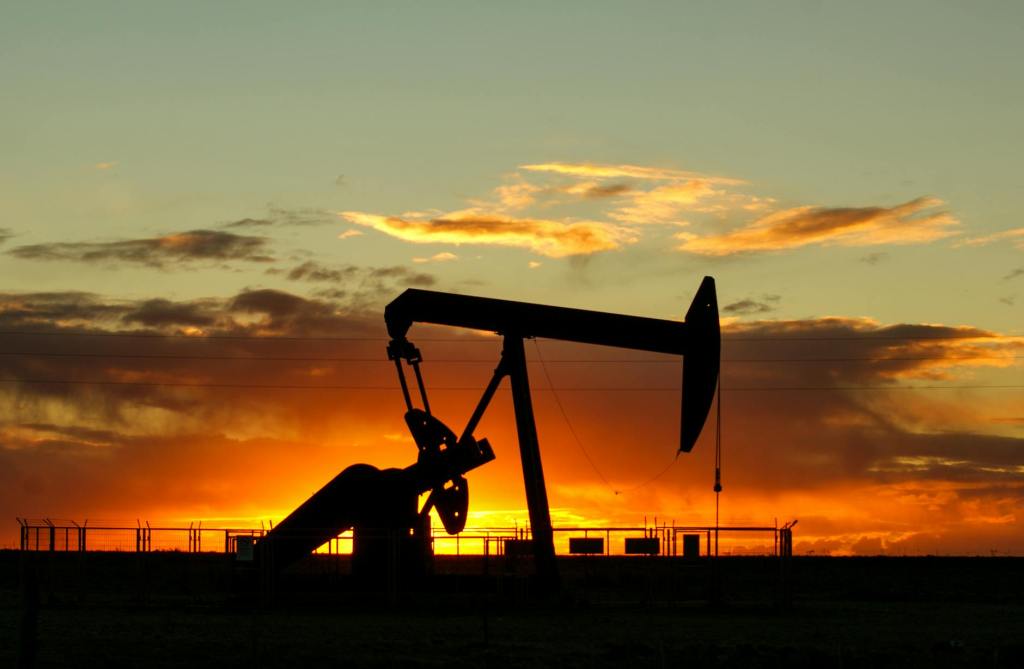
So, what unites these? Oil plays a starring role in Venezuela and now Iran. Venezuela’s takeover has already shifted its crude toward U.S. refineries and privatization. In Iran, the real prize – or peril – is the Strait of Hormuz, through which 20% of global oil flows. Iranian threats and de facto closures have spiked Brent crude to around $79–80 per barrel, with analysts warning of $100+ spikes or recession if prolonged. Venezuela disruptions were manageable for the U.S.; Iran’s chokepoint is not.
Yet oil alone doesn’t explain Nigeria or Somalia. Those are classic counterterrorism plays against groups like Boko Haram and al-Shabaab that export instability. The broader thread is Trump’s “peace through strength” doctrine: decisive, unilateral action against adversaries rather than endless negotiations. He acts as the world’s enforcer – the “big brother” – targeting narco-dictators, nuclear aspirants, and jihadists while securing American energy dominance and alliances. Supporters argue this restores deterrence lost under prior administrations and delivers quick wins: Maduro in custody, Iranian nukes set back years, terror networks degraded.
Critics see hubris. Unilateral strikes bypass Congress and the UN Charter, per some legal analyses. Civilian risks in Iran and Africa are real. Escalation in the Middle East has already drawn in Gulf states and raised fears of proxy blowback. Russia reportedly shares intelligence with Iran; China, Iran’s top oil buyer, faces supply shocks. Domestic U.S. fatigue looms – Trump once promised no new wars.
What is truly at stake? First, global energy: Disruptions could add dollars to gas pumps worldwide and tip fragile economies into recession. Second, proliferation: Success in Iran could deter other nuclear hopefuls; failure invites proliferation. Third, U.S. credibility: Proving America can reach anywhere (Caracas to Tehran) bolsters alliances but alienates neutrals. Human lives – thousands already affected by strikes and retaliation – hang in the balance, alongside regional power balances. A fragmented Iran could spawn chaos worse than post-Saddam Iraq.
Is this the beginning of World War III? Not yet. The conflict remains regional, contained to U.S.-Israel vs. Iran and proxies. No NATO Article 5 trigger, no direct Chinese or Russian combat troops. Trump insists the strikes averted nuclear Armageddon. Analysts split: Some warn of “early days” of global war if escalation spirals; others note Iran’s strategy of “escalate to de-escalate” is backfiring as Gulf states consider joining against Tehran.
Where does it end? Optimists see a new Pax Americana: Stabilized Venezuela pumping oil under U.S. oversight, defeated terror groups in Africa, a denuclearized Iran negotiating from weakness. Pessimists fear quagmires – prolonged Iranian resistance, oil shocks fueling global unrest, or miscalculation pulling in superpowers.
Trump’s playbook favors swift deals after shows of force. Talks with Iranian remnants or Venezuelan successors may come soon. But history shows interventions rarely stay limited. The coming weeks – whether Hormuz reopens, proxies stand down, or ground operations expand – will decide if this is bold leadership securing the 21st century or the spark that lit a global fire.
For now, the world watches a president who promised peace delivering calculated power. The question isn’t just where it ends, but whether the cost of order outweighs the risk of chaos. In an era of great-power competition, Trump’s moves redefine America’s role: not reluctant superpower, but assertive guardian of its interests. The endgame remains unwritten, but the stakes could not be higher.




 Sure Media Magazine
Leave a comment