
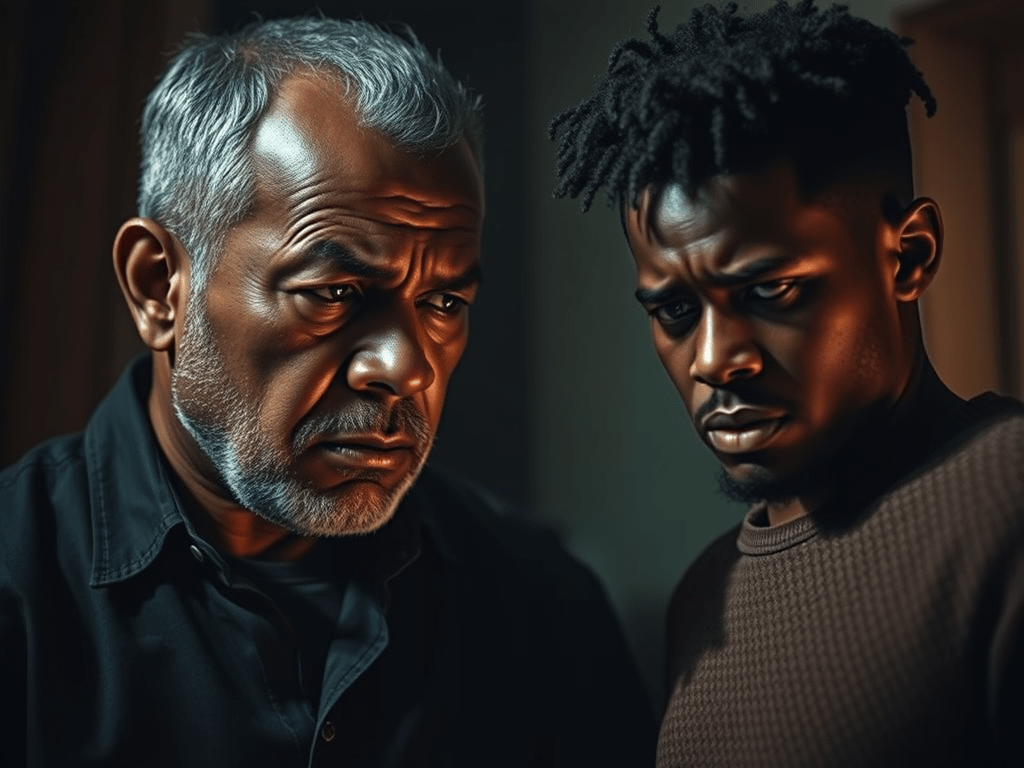
The relationship between fathers and sons is one of the most important and influential in a person’s life. Ideally, it’s a bond built on guidance, love, and support. But for many families, this connection is clouded by emotional pain, conflict, and even abuse. This results in a destructive cycle that impacts not just the father and son but future generations as well. The idea of “dangerous sons and wounded fathers” addresses how emotional trauma from one generation is passed down, creating a vicious cycle of pain.
The Wounded Father: The Burden of Unhealed Trauma
A “wounded father” is one who carries emotional scars from his own past whether it’s from childhood, previous trauma, or societal pressures. These scars can manifest as anger, emotional detachment, neglect, or even abusive behavior. For many men, showing vulnerability or emotional expression is seen as a weakness. As a result, they suppress their emotions, leaving these wounds unhealed and unresolved. When a father carries this emotional pain, it becomes difficult for him to form a healthy, emotional connection with his children.
The roots of a wounded father’s pain often trace back to his own upbringing. Many men grow up in environments that don’t encourage emotional openness, or they experience neglect and abuse themselves. Without emotional guidance or positive role models, these fathers learn unhealthy ways of dealing with their feelings. These unresolved emotions are then carried into their own families, leading to strained or disconnected relationships with their sons.
These fathers may love their sons deeply but struggle to express it in ways that are emotionally nourishing. Instead of offering the emotional support that their sons need, they may unintentionally pass on their pain through neglect or emotional unavailability. The lack of a strong emotional foundation leaves their sons vulnerable to their own struggles with emotional well-being and behavior.
Dangerous Sons: Acting Out Unresolved Pain
Sons who grow up with emotionally distant or wounded fathers are often left to navigate their feelings on their own. The lack of emotional connection and support from their fathers can have a profound impact on their emotional health, often leading to feelings of abandonment, worthlessness, or anger. In some cases, these emotional wounds manifest as depression or anxiety.
For many sons, these unresolved feelings don’t remain silent. They may act out their pain through rebellious behavior, aggression, or even criminal activities. Seeking attention, love, or validation, they turn to destructive coping mechanisms such as substance abuse, violence, or risky behaviors. These sons may struggle with self-esteem and may seek to compensate for their unmet emotional needs in unhealthy ways. Their anger or frustration, often born of emotional neglect, is directed outward, harming themselves or others in the process.
Moreover, sons may feel the need to assert control or power to overcome the helplessness and neglect they felt growing up. Their aggression may come from a deep-seated need to prove their worth, often in dangerous and damaging ways. The behaviors they exhibit are, in many cases, a direct result of the emotional neglect and wounds that were never addressed by their fathers.
A Cycle of Generational Trauma
The emotional struggles of a wounded father and his dangerous son create a harmful cycle of trauma that can extend across generations. Sons who grow up without emotional support from their fathers may carry those wounds into adulthood, perpetuating the same pain they experienced in their own childhood. This cycle can be difficult to break without intervention, and often, these sons grow up to become fathers themselves. Without emotional healing, they may repeat the same harmful behaviors and continue to pass on their wounds to their own children.
This cycle of trauma not only affects fathers and sons but can also extend to future generations. Dangerous behaviors such as violence, crime, and substance abuse are often the result of unresolved emotional pain. These patterns are then passed down, creating a cycle of hurt that continues through the family line. The emotional damage caused by a wounded father doesn’t just affect the immediate family,it can affect society as a whole. Sons who act out their pain often face social isolation and struggle to form healthy relationships, contributing to larger societal issues such as violence, crime, and mental health struggles.
Breaking the Cycle: Healing for Fathers and Sons
Healing the emotional wounds of fathers and sons is not an easy process, but it is possible. It requires both fathers and sons to acknowledge their pain, seek emotional healing, and rebuild their relationship. The good news is that with time and support, fathers and sons can break the cycle of pain and create a healthier, more connected dynamic.
For fathers, the first step in healing is recognizing their own emotional scars. Many fathers are unaware of how deeply their own trauma affects their relationships with their children. Therapy, counseling, or support groups can help fathers work through their unresolved pain and teach them how to form emotional connections with their children. When fathers learn to address their own wounds, they become better equipped to be emotionally present for their sons.
Once fathers begin their own emotional healing, they can start rebuilding their relationship with their sons. Emotional availability and support can profoundly impact a son’s development, allowing him to feel valued, understood, and loved. Fathers who make the effort to show empathy, share feelings, and provide guidance can help their sons develop emotional resilience and avoid the destructive behaviors that often stem from unresolved emotional pain.
Sons, too, need healing. Many sons may not fully understand the emotional pain they experienced until they reach adulthood. Therapy, mentorship, or community support can help sons process their feelings and learn healthier coping mechanisms. Sons need to know that their anger, abandonment, and neglect are valid and that they don’t have to carry these wounds alone. Emotional support, both from professionals and from their fathers, can help them begin to heal and break the cycle of pain.
In some cases, family therapy may be necessary. Therapy can provide a safe space for both fathers and sons to express their feelings, communicate openly, and work through deep-seated emotional issues. Family therapy fosters a sense of understanding and empathy, helping both parties rebuild their bond. It allows fathers and sons to address the pain of the past, restore trust, and create a more emotionally connected relationship moving forward.
The Role of Society in Healing the Father-Son Relationship
While the father-son relationship is central to breaking the cycle of dangerous sons and wounded fathers, society also plays an important role in healing emotional trauma. Communities, schools, and social services can provide valuable resources and support for families dealing with emotional wounds. Early intervention programs that focus on emotional intelligence, communication skills, and conflict resolution can help both fathers and sons develop healthier relationships and avoid destructive behaviors.
Mentorship programs can also be incredibly helpful, especially for young men. Positive role models can provide emotional support, guidance, and a sense of belonging, giving sons the emotional tools they need to navigate their struggles. Mentors can also help sons break the cycle of emotional neglect by offering validation and understanding that they may not have received from their fathers.
Additionally, public awareness campaigns that address the emotional needs of fathers and sons can help reduce the stigma surrounding emotional vulnerability. Encouraging men to seek emotional support and take care of their mental health can help break the societal norms that discourage emotional expression. When society supports emotional well-being and provides resources for healing, fathers and sons are better equipped to break free from the cycle of pain.
Conclusion: A Path to Healing and Growth
The relationship between fathers and sons has the power to shape a person’s emotional development for a lifetime. When this bond is broken by emotional neglect, abuse, or unresolved trauma, it can lead to dangerous behaviors that impact both individuals and society. However, healing is possible. Through self-awareness, emotional support, and therapy, fathers and sons can break the cycle of pain and build a stronger, more connected relationship. By addressing their wounds and offering emotional support to one another, fathers and sons can create a healthier future, free from the destructive patterns of the past. With the right support and commitment, both fathers and sons can heal and build a future of emotional growth and understanding.






 Sure Media Magazine
Leave a comment