

Introduction: Why Social Development Progress Is Still Incomplete
Over the last thirty years, governments, development agencies, and philanthropic groups have invested heavily in social programs. These efforts have improved access to education, strengthened healthcare, and built better safety nets for vulnerable groups.
The results are clear. More children are enrolled in school than ever before. Vaccination drives have reduced the burden of preventable diseases. Social protection programs help families cope with crises caused by economic shocks, climate events, or health emergencies.
But in many communities, these gains have not led to lasting economic stability.
Young people finish school but struggle to find good jobs. Farmers get better seeds or training, but still face unstable markets. Families can access healthcare but often face financial trouble after illness.
This pattern is common in many developing countries, where social services improve people’s lives, but economic insecurity persists.
Central to this challenge is a significant gap in development strategies: the lack of economic empowerment. In the absence of opportunities to generate income, accumulate assets, and participate in markets, social progress often faces limitations.
Economic Opportunity as the Foundation of Sustainable Development
Economic empowerment means that people and communities can earn income, build assets, and actively participate in the economy. This includes having access to jobs, business opportunities, financial services, and well-functioning markets.
Research shows these factors determine if improvements in education, health, and social support lead to lasting prosperity.
According to the World Bank, nearly 700 million individuals globally continue to live in extreme poverty, subsisting on less than $2.15 per day. Although social programs are essential for protecting vulnerable populations, sustained poverty reduction primarily depends on economic opportunity.
The United Nations Development Programme also stresses that improving people’s economic skills, such as employment, financial access, and ownership of productive assets, is key to achieving the Sustainable Development Goals. Without these foundations, gains in education, healthcare, and social protection often stay fragile.
“Economic empowerment transforms social support into lasting opportunity.”
When Social Progress Fails to Translate into Economic Mobility
Global development programs have made remarkable strides in expanding access to basic services.
Education programs have enrolled millions of children. Public health efforts have raised life expectancy and lowered maternal and child death rates. Social protection schemes provide temporary financial help to vulnerable people. However, having access to these services does not automatically lead to economic mobility.
A young graduate might have the right qualifications but still find few job opportunities. A family with better healthcare may still struggle to earn a steady income. A farmer trained in better farming methods might not have reliable buyers or access to markets.
When such gaps persist, social programs enhance well-being but do not transform. Consequently, development experts increasingly emphasize the need to link human capital investments with economic opportunity.
Why Development Systems Often Miss the Economic Dimension
Fragmented Policy Approaches
Many development initiatives operate within sector-specific frameworks. Education programs focus on schooling, health initiatives strengthen healthcare systems, and social protection programs address poverty relief.
While each effort plays a vital role, they often operate independently of economic development policies that create jobs, support businesses, and open markets.
Short-Term Program Incentives
Another challenge is how development programs measure success.
Funding cycles frequently prioritize outputs, such as the number of students enrolled, clinics built, or training sessions delivered. These metrics are easier to measure within limited project timelines.
Economic empowerment, however, necessitates long-term investments. Developing thriving local economies requires strengthening enterprises, enhancing infrastructure, expanding financial systems, and linking producers to markets.
These changes take time.
Limited Access to Finance
Limited access to finance is the greatest barrier to accessing capital.
The International Finance Corporation estimates that small and medium-sized enterprises in developing countries face a financing gap of roughly $5 trillion.
Without credit or investment, small businesses struggle to grow. Without growth, job creation stays limited.
Drivers of Economic Empowerment
Key Factors Enabling Economic Opportunity
Research from development groups points to several key elements that boost economic empowerment:
• Access to affordable financial services
• Skills training that matches job market needs
• Support for entrepreneurs and business training
• Development of market infrastructure and supply chains
• Inclusive policies that increase workforce participation. When these factors come together, communities can earn income and build economic strength.
What Economic Empowerment Looks Like in Practice
Women’s Economic Participation
Increasing women’s involvement in economic activities has proven to be a strong driver of social progress.
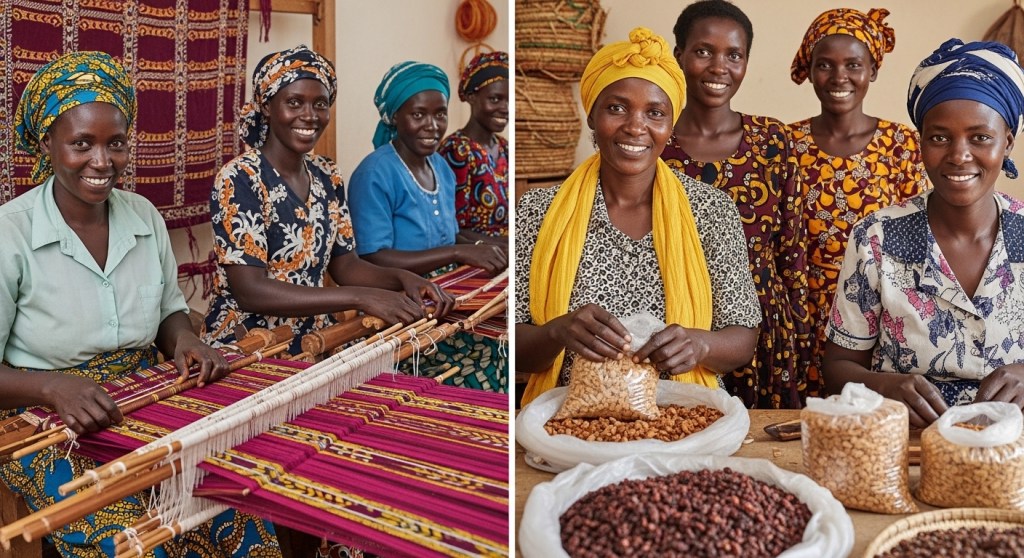
Microfinance institutions such as Grameen Bank have shown how small loans can help women launch businesses, increase household income, and strengthen family well-being.
Evidence shows that when women gain economic independence, families usually invest more in children’s education, nutrition, and healthcare.
Youth Employment Initiatives
In many areas, youth unemployment remains a big problem. Schools often graduate students whose skills don’t match employers’ needs.
Youth employment programs that combine vocational training, business support, and job placement help close this gap.
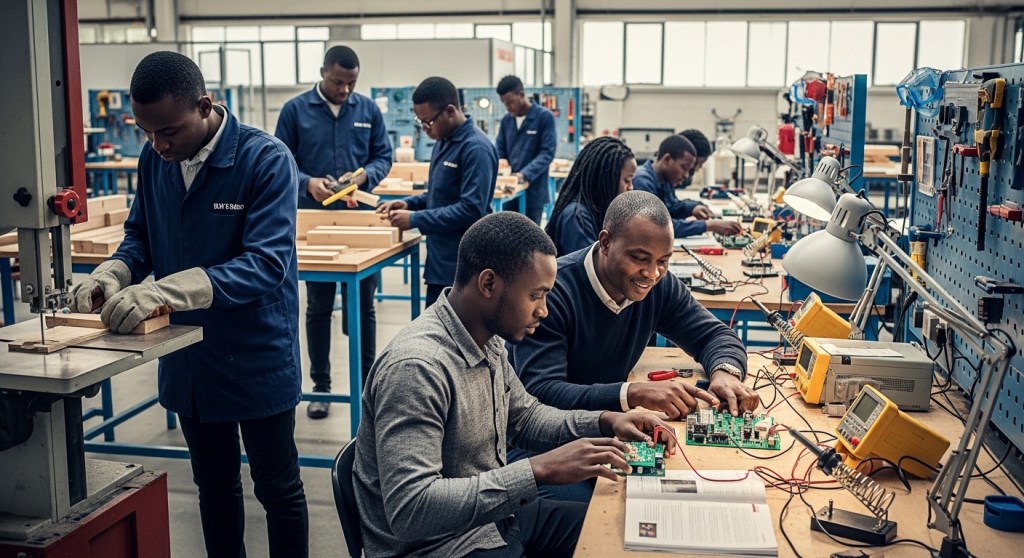
When young people gain practical skills and access to economic opportunities, moving from school to work becomes easier.
Strengthening Agricultural Value Chains
In rural communities, enhancing agricultural productivity alone is insufficient; farmers must also secure access to reliable markets.
Farmer cooperatives and value chain programs help small farmers connect with buyers, boost their bargaining power, and stabilize their incomes.
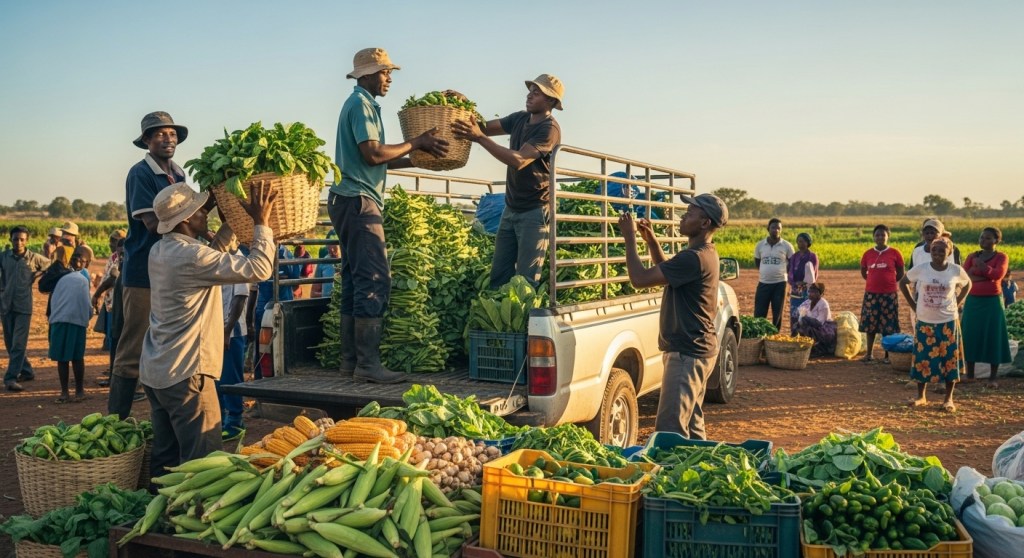
These initiatives demonstrate the role of economic empowerment in strengthening rural livelihoods.
Policy Priorities for Development Leaders
Recognizing the importance of economic empowerment has big implications for development policy.
First, governments and development partners need to link social investments with the creation of economic opportunities. Education programs should align with labor market needs, and healthcare efforts should be paired with measures to boost household incomes.
Second, expanding financial inclusion is crucial. Easy access to credit, mobile banking, and small-business loans helps people invest in productive activities. Third, development strategies should reinforce local economic ecosystems by enhancing infrastructure, markets, and enterprise support services.
International development groups are increasingly focusing on these priorities. Programs backed by the United Nations and World Bank now highlight the link between human capital and economic opportunity.
Building Scalable Pathways to Economic Opportunity
Several approaches show strong potential to expand economic empowerment.
Entrepreneurship programs help people turn skills into income-generating businesses.
Financial inclusion efforts expand access to credit and investment options.
Skills training programs align education with job-market needs.
Local economic development plans strengthen infrastructure, supply chains, and market access.
Together, these approaches create conditions where social investments lead to lasting economic mobility.
Conclusion: Linking Social Progress and Economic Opportunity
Development programs have achieved significant progress in enhancing access to education, healthcare, and social protection.
But access alone does not ensure lasting change.
Communities also need to provide economic opportunities that help people turn better health, education, and social support into lasting livelihoods.
Economic empowerment closes the gap between social progress and lasting prosperity.
Call to Action
Social impact strategies must extend beyond service delivery to include the creation of economic opportunity.
Investments in entrepreneurship, financial inclusion, workforce development, and local market systems can greatly strengthen the long-term impact of development programs.
When people and communities gain the ability to earn a steady income and build economic strength, social progress becomes lasting and transformative.





 Sure Media Magazine
Leave a comment