
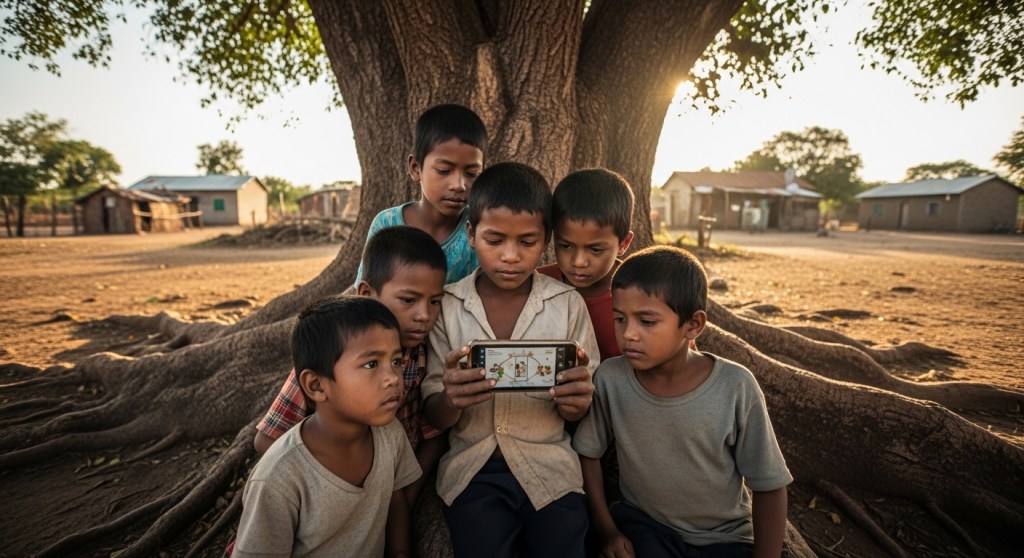
Digital Access Is Now Basic Infrastructure
Digital connectivity is now a basic part of the modern economy. Governments offer public services online, businesses use digital platforms to reach customers, and students depend on the internet for learning and research. In many areas, reliable internet is as essential as electricity or transportation.
However, billions of individuals remain excluded from this digital environment.
In rural and underserved communities, stable internet is often unreliable or missing. Even when networks are available, the high cost of data and a lack of devices prevent many households from fully joining the digital economy. Many people also struggle with the skills needed to use digital tools well.
The effects are wide-ranging. Poor connectivity limits access to education, job opportunities, financial services, and important health and public information.
This means development leaders need to change how they see the issue. The digital divide is not just about technology but also about deeper inequalities in opportunity.
The Scale of the Digital Divide
Global digital exclusion remains substantial.
The International Telecommunication Union reports that about 2.6 billion people worldwide are still offline. Most live in low- and middle-income countries, especially in rural areas where infrastructure investment has lagged behind that in urban centers.
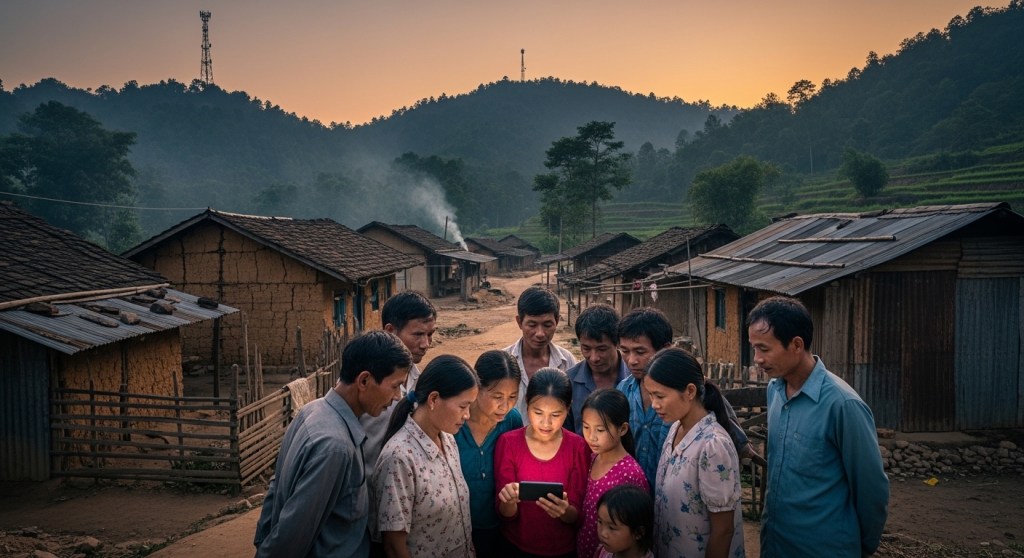
Connectivity is closely tied to economic success. World Bank research shows that access to digital infrastructure boosts productivity, improves access to financial services, and supports new types of entrepreneurship.
Communities with limited digital access risk falling further behind as economies rely more on technology.
“Digital access increasingly determines who can participate in modern economies and who remains excluded.”
The Nature of the Digital Divide
People often describe the digital divide as the gap between those with and without internet access. But in reality, it’s more complicated than that.
Three factors consistently influence digital inclusion.
Infrastructure determines whether a community has reliable networks.
Affordability determines whether households can purchase devices and pay for internet services.
Digital skills influence individuals’ ability to use online tools effectively.
If any of these parts are missing, just having internet access doesn’t lead to real opportunities.
Why Connectivity Gaps Persist
Infrastructure Investment Still Favors Cities
Telecom companies usually build networks where they expect the best returns. Cities have dense populations and strong demand, making them more attractive to investors.
Rural and remote areas often face higher costs and less business incentive. As a result, millions still lack good service even though global connectivity has improved.
Affordability Remains a Major Barrier
Even when networks are available, many households can’t afford reliable internet access.
In low-income areas, the cost of devices, data plans, and broadband often competes with basic needs like food, housing, and transportation.
For many families, digital connectivity is still too expensive.
Digital Literacy Is Often Overlooked
Having internet access doesn’t always mean people can use it well. Those without digital skills may struggle to navigate online services, make transactions, or use e-learning platforms. Sometimes, even when connected, people don’t use the internet fully because they lack confidence or training.
That’s why investing in digital skills is just as important as building infrastructure.
Inequality Shapes Digital Access
Digital access also reflects broader social inequalities.
In many countries, women are much less likely than men to own smartphones or have internet access. People with disabilities often face barriers using digital systems. Language differences and a lack of local content also reduce the usefulness of digital platforms.
These issues worsen existing inequalities unless digital policies specifically address them.
Key Barriers to Digital Inclusion
Research consistently points to several barriers that limit digital participation:
• Limited broadband infrastructure in rural communities
• High costs of devices and mobile data
• Gaps in digital literacy and technical skills
• Gender disparities in technology access
• Limited locally relevant digital content
Sources: ITU, World Bank, UNDP
When Digital Inclusion Works
Despite these challenges, some initiatives show that digital access can improve economic and social opportunities.
Mobile Financial Services
A prominent example is the growth of mobile financial services.
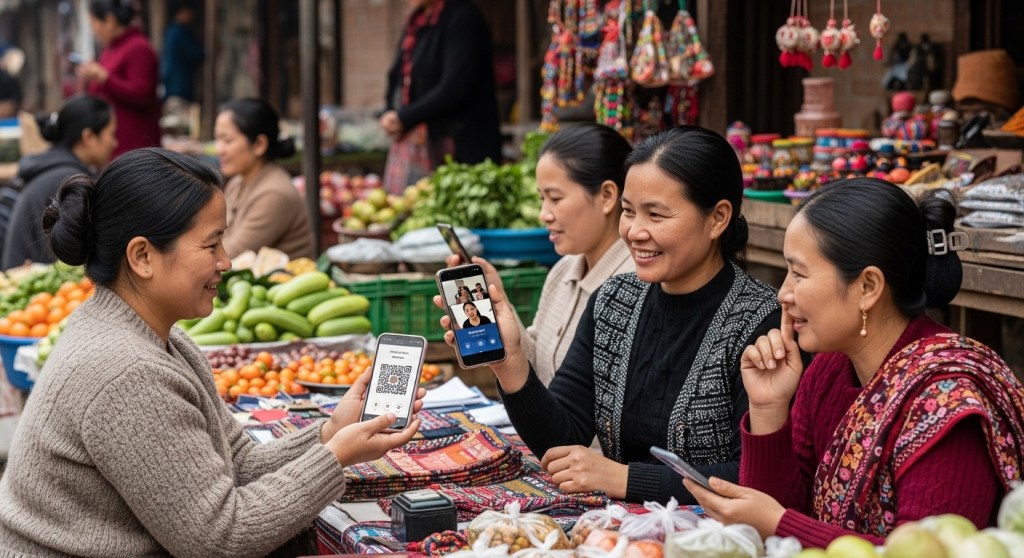
Platforms like M-Pesa let users send money, pay bills, and save funds using simple mobile phones.
Research shows that mobile money has increased financial inclusion and helped many communities become more economically resilient by making it easier to save, pay, and invest.
Community Connectivity Initiatives
Certain governments and development partners have expanded connectivity through shared access models.
Community Wi-Fi centers, digital hubs, and public internet spots let people connect even if they can’t afford internet at home.
These models can greatly expand digital access in underprivileged regions.
Digital Skills and Workforce Training
Schools and nonprofits are increasingly recognizing that digital skills are key to participating in the economy.
Training programs in coding, online business, and digital finance help young people find new jobs and enter digital markets.
These programs are especially important as job markets shift toward tech-driven industries.
Policy Priorities for Digital Inclusion
Closing the digital divide requires coordinated efforts across many sectors.
Governments need to keep investing in broadband, especially in rural areas where private companies might not invest enough.
Regulations should encourage competition among telecom providers and ensure prices remain affordable for low-income families.
Schools should focus on digital literacy. Teaching tech skills in classrooms helps future generations take full part in digital economies.
Development groups are increasingly recognizing these priorities. Programs backed by the United Nations Development Programme highlight digital inclusion as key to sustainable development.
Scalable Strategies for Expanding Digital Access
Several approaches have strong potential to increase digital participation.
Public-private partnerships can help extend broadband networks to underserved areas.
Programs that provide affordable devices lower barriers for low-income families.
Training in digital skills helps people use online tools for learning, work, and starting businesses.
Inclusive digital policies tackle gender gaps, accessibility for people with disabilities, and language challenges.
Together, these strategies improve digital access and create more economic opportunities.
The Real Stakes of the Digital Divide
Digital technologies are changing how communities work. Education, healthcare, finance, and jobs all rely more on digital connections.
When many people are left out of these systems, the effects go far beyond just technology.
The digital divide could become a major cause of inequality.
Closing this divide means more than just expanding internet access; it also means tackling the social and economic barriers that decide who benefits from digital change.
Call to Action
For policymakers, development groups, and philanthropists, digital inclusion should be a key part of social impact plans.
Investing in infrastructure, affordable access, digital skills, and inclusive policies helps technology create opportunities rather than deepen inequality.
When everyone has digital access, technology ceases to be a barrier and becomes a powerful force for economic growth and social progress.





 Sure Media Magazine
Leave a comment