
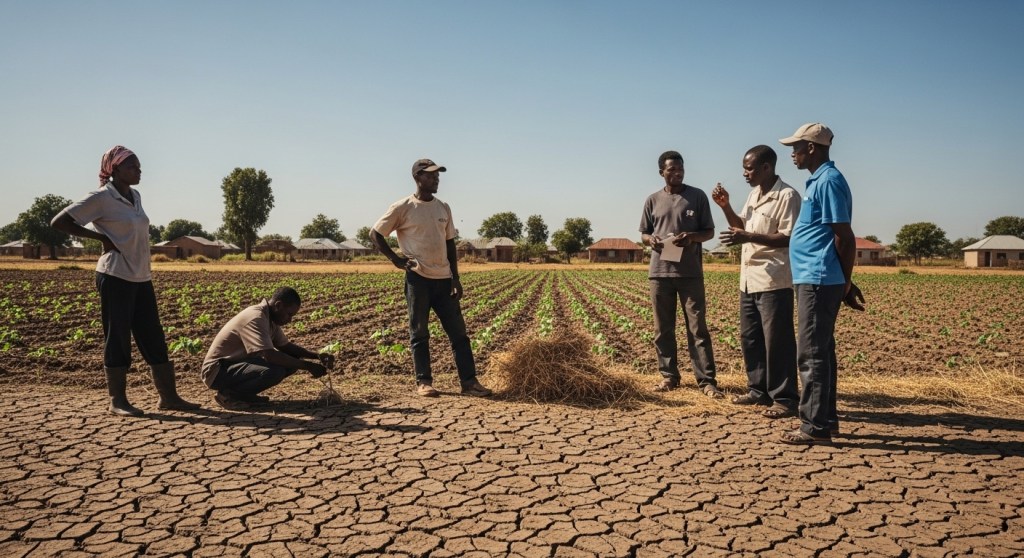
People often discuss climate change in broad terms, such as rising temperatures, carbon emissions, and global agreements. But for many communities globally, its effects are felt in more immediate, tangible ways.
Farmers see that traditional rainfall patterns are no longer reliable. Floods damage schools, forcing temporary closures. Health clinics report more cases of heat-related illnesses and waterborne diseases.
These local experiences reveal that climate change is not simply an environmental issue but also a challenge that deeply affects jobs, schools, and public health.
As these effects accumulate, climate change is altering daily life for people in vulnerable areas.
Research from the Intergovernmental Panel on Climate Change shows droughts, floods, and extreme heat hit communities that are already economically and socially vulnerable. These events put pressure on families who depend on climate-sensitive work, such as farming, raising animals, and informal jobs.
The consequences can escalate fast. Families might lose income from failed crops, communities may struggle to maintain steady food supplies, and children may face interruptions in their education due to environmental shocks.
Climate change appears in daily life through lost harvests, disrupted schooling, and growing uncertainty for families year after year.
Understanding these local experiences is fundamental for creating effective climate response strategies.
Climate Change as a Community Crisis
Global climate indicators help scientists track environmental trends, but they don’t entirely capture how climate change affects everyday life.
Data Insight: Climate Change and Community Vulnerability
Recent global research shows the scale of climate risks that vulnerable communities face:
• Climate change could push up to 132 million people into extreme poverty by 2030 without stronger adaptation policies.
• More than 1 billion children reside in countries experiencing extremely high climate risks that threaten education, health, and food security.
• Agriculture supports the livelihoods of over 60% of the population in sub-Saharan Africa, rendering climate variability a major economic risk.
Together, these figures highlight why building community resilience remains a top priority in global climate adaptation efforts.
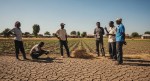
At the local level, climate change often first appears as economic instability. Farmers struggle to pick the best planting times because rainfall is unpredictable. Herdsmen move animals long distances to find grazing land during droughts. Informal workers lose income when floods disrupt markets and transport. While each disruption affects individual households, the impacts add up across whole communities over time.
Local food systems weaken as harvests get smaller. More families move away to find work. Schools and health clinics face increasing pressure as environmental stress grows.
As a result, climate change worsens existing problems. Shocks rarely affect just one area; they trigger chain reactions across many systems that communities depend on.
Agriculture shows this clearly. In many places, especially in sub-Saharan Africa, farming is the backbone of local economies. The Food and Agriculture Organization says climate shocks remain a main cause of global food insecurity.
Changes in rainfall or droughts cause crop yields to fall. Smaller harvests reduce household income and push up food prices in local markets.
Education systems are affected too: floods damage school buildings, and droughts force children to collect water or work to help their families. According to UNICEF, over 1 billion children live in countries facing very high climate risks.
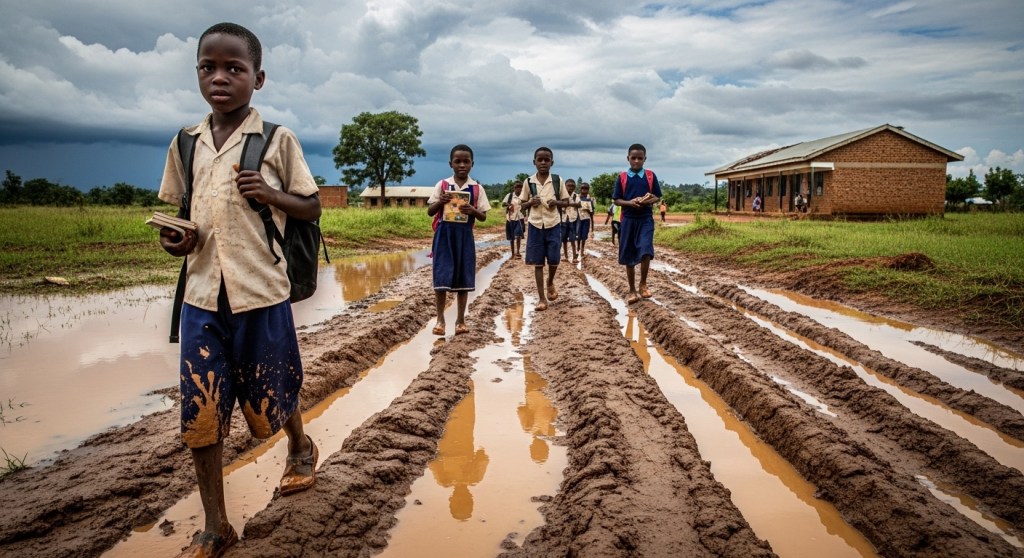
These disruptions lead to more students missing school and raise the risk of dropping out. Other systems encounter similar challenges. Higher temperatures increase the risk of heat-related illnesses, and floods can pollute water and spread diseases like cholera.
The World Health Organization estimates that climate change could cause about 250,000 extra deaths each year between 2030 and 2050 from malnutrition, malaria, diarrhea, and heat stress. When pressures come together, communities must act quickly to protect livelihoods and essential services. Despite growing awareness of climate risks, many institutions struggle to respond effectively at the community level.
One reason is that climate policies often focus on global measures, such as cutting greenhouse gas emissions. While these are important for slowing climate change, they may overshadow adaptation strategies that help communities address current impacts. Another challenge is the gap between national policies and local realities. Farming methods, water systems, and economic conditions vary widely, so what works in one place might not work in another.
Fragmented institutions also make effective responses harder. Building climate resilience requires coordination across sectors such as agriculture, health, education, water management, and infrastructure, but these areas often operate independently, making coordination difficult.
Because of these challenges, communities regularly take action on climate risks before formal systems can respond.
Around the world, communities are actively finding practical ways to respond to climate change.
Farmers try drought-resistant crops and soil conservation methods that keep moisture during dry seasons. Local groups build rainwater-harvesting systems to collect and store water when rainfall is unpredictable.
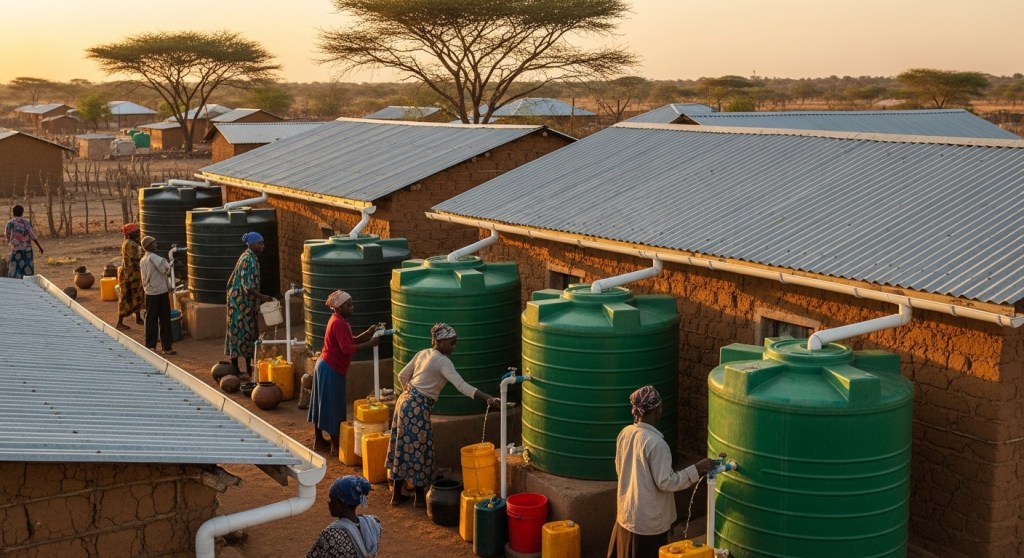
In some places, youth groups lead projects like tree planting and land restoration. These efforts improve local ecosystems and raise awareness of environmental care. The United Nations Development Programme shows that adaptation programs often work best when communities help design and implement them. Local knowledge of weather, land, and social connections helps ensure strategies fit real needs.
These community-led efforts show that resilience is more than just surviving environmental shocks. It also means learning, adapting, and strengthening systems that support lasting stability.
Policy Recommendations for Climate Resilience
The experiences of communities affected by climate change offer important lessons for policymakers and development groups. First, climate strategies should focus equally on adaptation and mitigation. Investing in climate-resilient farming, water systems, healthcare, and schools can greatly reduce community vulnerability.
Second, decision-making should include community voices. Farmers, local leaders, youth groups, and civil society often have practical knowledge about environmental risks and solutions. Third, climate funding should support local initiatives. Many effective adaptation strategies work on a small scale but bring big, long-term benefits.
International programs, supported by organizations like the United Nations Environment Programme, are increasingly recognizing the importance of locally led adaptation strategies.
From Adaptation to Sustainable Long-Term Resilienc
Climate change will continue reshaping ecosystems and economies in the years ahead. The key question is not if communities will face environmental change, but how well prepared they are to adapt. Experiences from vulnerable areas show that resilience often begins with local action.
Farmers change their farming methods, young people lead environmental campaigns, and communities manage shared water resources. Supporting these efforts means ongoing investment in community skills, stronger cooperation between governments and local groups, and policies that focus on the populations most at risk from climate change.
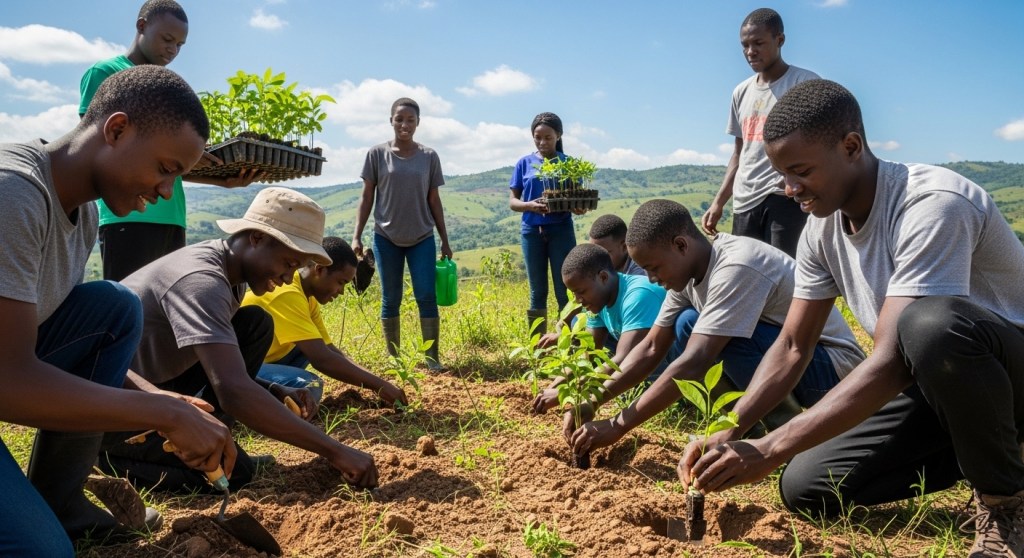
Climate resilience isn’t built just through policies. It grows through partnerships that connect global resources with local knowledge. Beyond climate change, resilience isn’t simply a defensive response. When communities have the tools and power to respond, resilience moves past coping and becomes a road to sustainable development.



 Sure Media Magazine
Leave a comment