
By Davis Mandela
Davis Mandela is an AI specialist and linguist focusing on digital policy and media ethics in East Africa.
I still remember the Saturday afternoons in our estate in Pipeline like they happened last week. The living room would turn into a battlefield. My brother and I fought over who got the next turn on the old VHS player. One of us would guard the remote like it was gold while the other begged for “just one more game of Super Mario.” The TV screen flickered with that grainy 80s quality, the joystick was sticky from too many sweaty palms, and the whole block could hear us shouting when someone finally beat Bowser. Those fights felt like the most important thing in the world. Nothing else mattered until the winner was crowned and the loser stormed off to sulk on the balcony.
Fast forward to 2026, and the scene in the same estate compound looks completely different — but the laughter is exactly the same.
The Shift That Happened Quietly
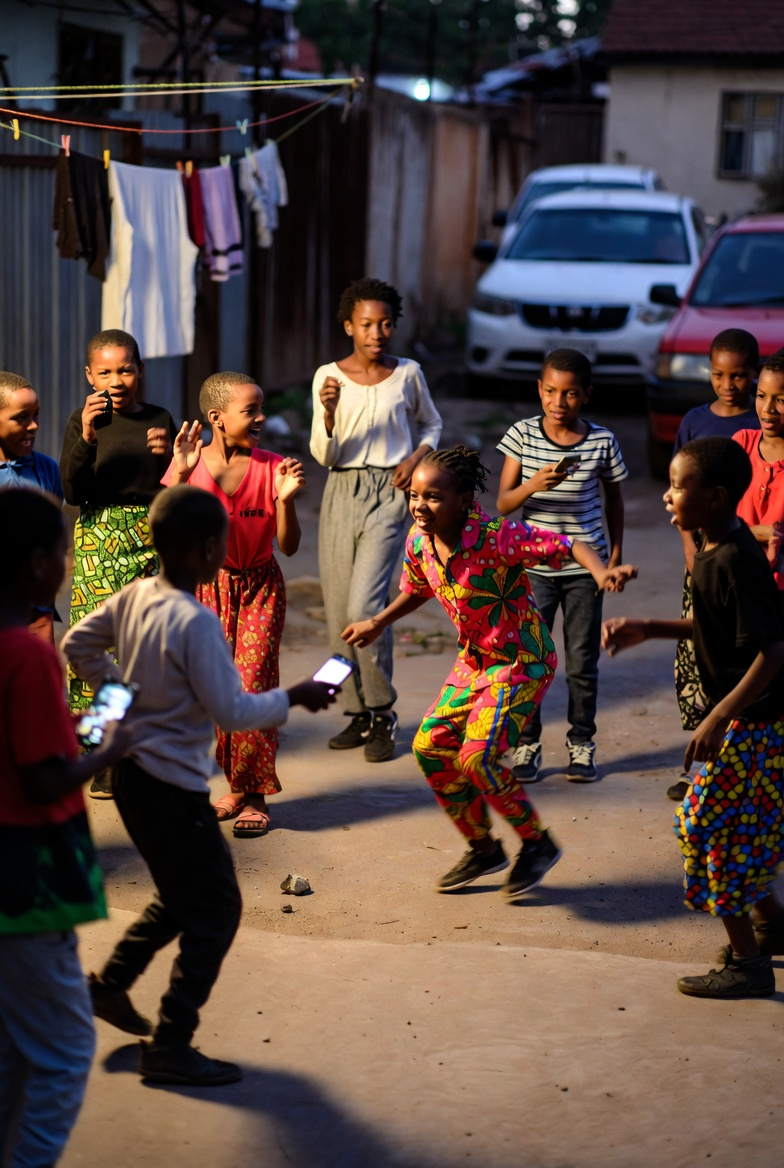
Now the kids gather after school with their phones instead of cartridges. Instead of fighting over who plays next on the TV, they battle over who gets to lead the TikTok dance challenge. One group practices the latest “Amapiano” trend while another tries to nail the “Savage Love” remix. The compound turns into a mini studio: phones propped on stones or old bricks, speakers blasting from someone’s Bluetooth box, and little ones copying every move with serious concentration. The same compound that once echoed with Mario coin sounds now echoes with “Ay, ay, ay” and the sharp claps of trending choreographies.
What surprises me most is how much joy is still there. The same shrieks of excitement when someone nails a move, the same teasing when someone misses a step, the same “again! again!” calls that used to fill our living room. The technology changed, but the spirit didn’t.
What Stayed the Same
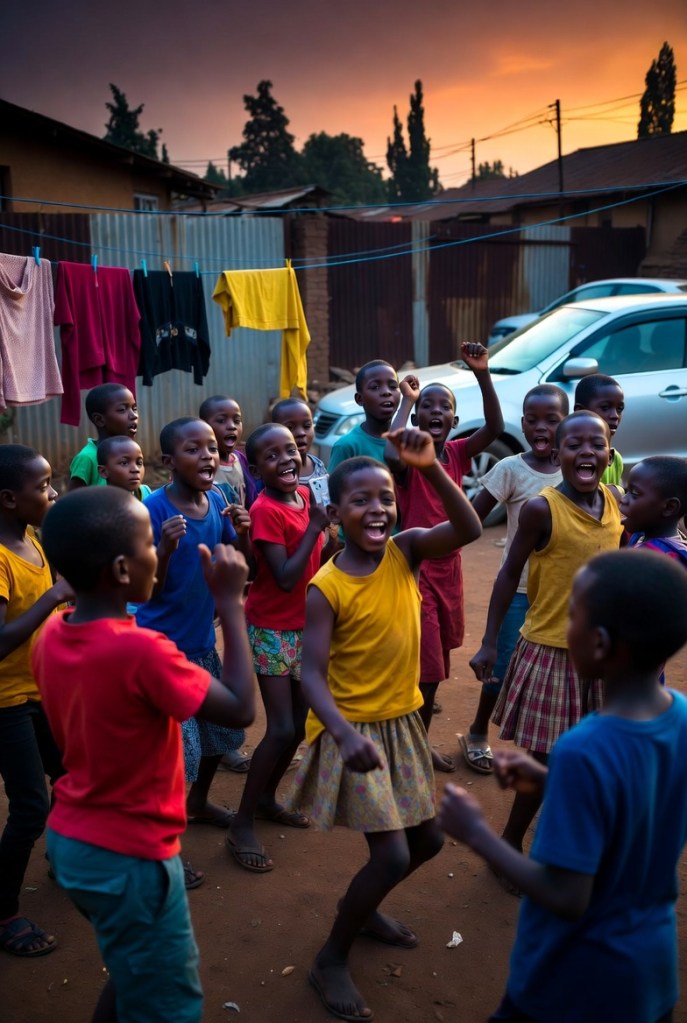
The energy is unchanged. Play in Nairobi estates has always been loud, competitive, and deeply social. Whether it was kicking a plastic ball wrapped in rubber bands in the parking lot or crowding around one TV in someone’s sitting room, the point was never the game itself — it was being together, belonging to the compound crew. You learned patience when you had to wait your turn, negotiation when you wanted to change the game, and resilience when you lost. Those lessons came wrapped in laughter and small rivalries.
Today’s kids are doing the same thing. They’re still creating their own rules, still forming little teams, still laughing until their stomachs hurt. They argue over who films the best angle, who gets to choose the sound, who gets to post it first. The screens didn’t kill the play — they just gave it a new stage. The compound is still the compound. The kids are still the kids.
What Changed (and What We’re Losing)

Of course, something is different. The old VHS fights forced us to share one screen and wait our turn. Now everyone has their own phone. The connection feels more individual, even when they’re dancing side by side. Some parents worry the kids are losing the art of waiting, negotiating, and imagining games without a screen. There’s no longer that single shared moment where everyone watches the same thing at the same time. Instead, each child has their own little world — their own algorithm, their own feed, their own version of fun.
Yet I’ve also seen beautiful moments that the old days couldn’t offer. Older kids teaching younger ones the steps with patience, a group pausing to help a friend who keeps falling behind, parents joining in when the song is an old favourite. The technology has given them new ways to collaborate, to record and re-watch their own creativity, to share their play beyond the compound walls. A dance that starts in Pipeline can be seen by cousins in Mombasa or friends in Kisumu within minutes.
The Laughter Is Still the Same
From where I sit, watching the estate kids move from VHS to TikTok, I’m reminded that play has always adapted to the tools of the time. When we were children, the tool was a single TV and a handful of cassettes. When our parents were children, it was open fields and homemade toys. Now it’s smartphones and apps. The tools change, but the laughter, the competition, the sense of belonging — those things haven’t changed. They’ve just found new ways to express themselves.
The compound is still the compound. The kids are still the kids. And the joy is still loud enough to fill the evening air — whether it’s the sound of a joystick clicking, a plastic ball bouncing, or a TikTok beat echoing off concrete walls.
What Parents Are Learning
Parents are learning too. Many of us grew up with one shared screen and strict time limits. Now we’re the ones setting boundaries around screen time while trying not to kill the joy. Some estates have started “no-phone hours” during playtime, turning the compound back into a screen-free zone for a few hours. Others let the kids record dances but insist on group viewing on one big speaker so everyone shares the moment.
It’s a balancing act. We want them to keep the creativity and connection that TikTok gives them, but we also want them to keep the patience and negotiation that came from waiting for your turn on the VHS. The truth is, both worlds can coexist. The kids are showing us how.
The Joy That Doesn’t Need a Screen
Even with phones everywhere, some things remain untouched by the digital shift. The plastic-ball football games still happen in the parking lot. The hide-and-seek rounds still send children running behind water tanks and up stairwells. The older kids still invent new versions of “catch” using nothing but imagination and laughter.
Those moments remind me that play isn’t about the tool — it’s about the people. The screen can be a stage, but it can never replace the feeling of running barefoot across concrete with your friends, the thrill of being “it” and chasing everyone until you collapse in giggles.
Looking Ahead
I sometimes wonder what the next shift will look like. Will the kids of 2036 be playing in virtual estates with VR headsets? Will they invent dances in the metaverse? I hope they keep one foot in the real compound — the one with cracked concrete, shared speakers, and real faces laughing together.
Because no matter how advanced the technology gets, the best play will always be the kind that makes you feel like you belong somewhere. And in Nairobi estates, that belonging has always been loud, messy, and beautiful.
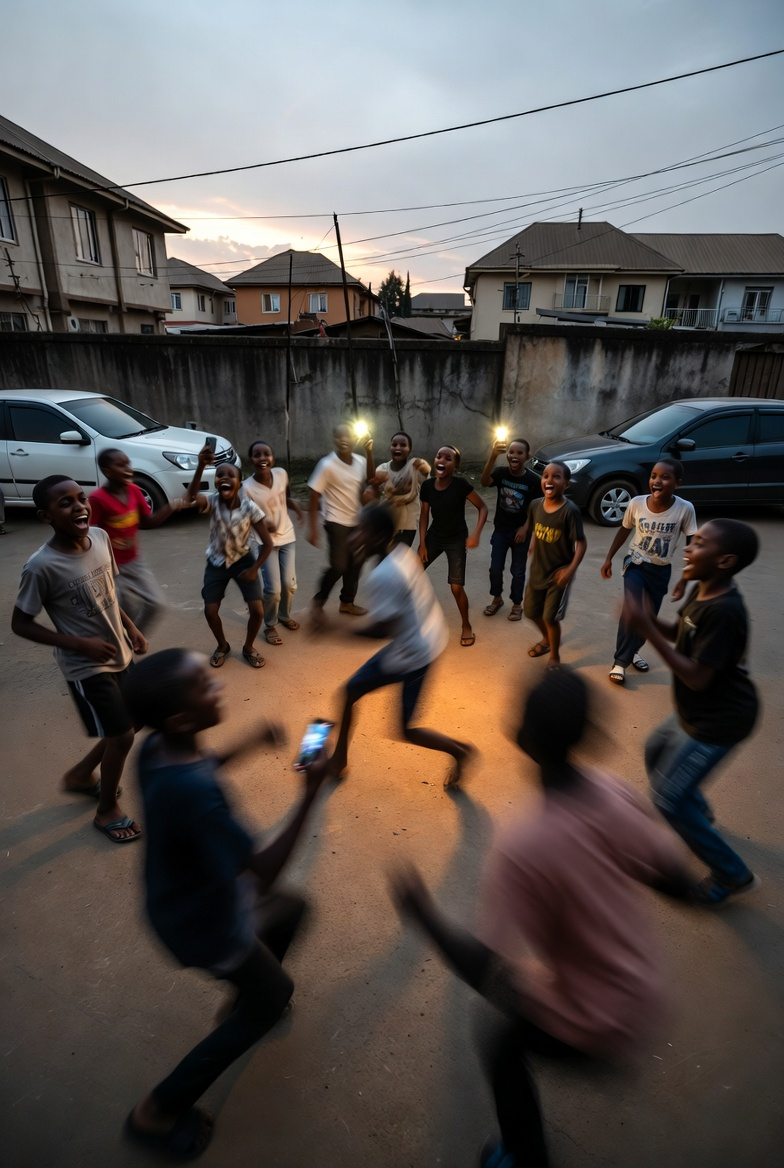
What’s the game or trend the kids in your estate are obsessed with right now?
Drop it in the comments below — the old-school ones, the new TikTok dances, or the ones that make you smile when you watch. Share this piece with someone who grew up fighting over the remote. Because in Nairobi, the way we play changes — but the heart of it stays the same.
References
- Nairobi estate youth culture and digital play trends – Nation Media, early 2026
- Urban childhood play in East Africa – historical shifts – academic overview (still relevant in 2026 discussions)
- TikTok usage among Kenyan youth – local trends 2025–2026 – Standard Media, 2026





 Sure Media Magazine
Leave a comment