
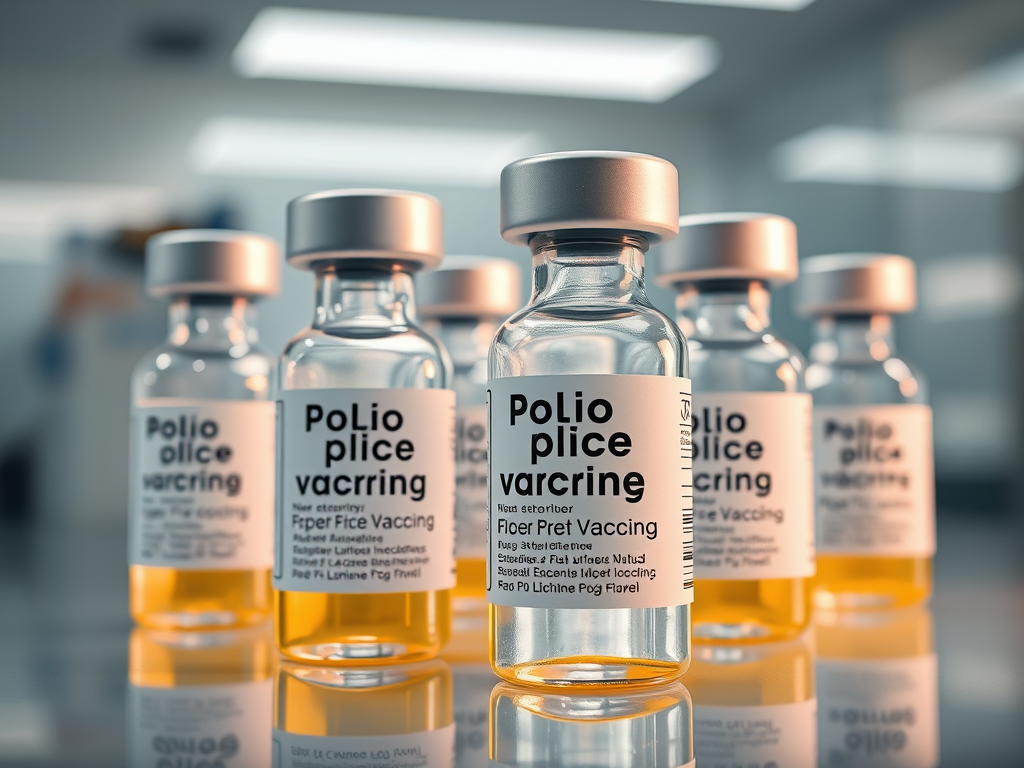
For most of us, polio feels like something from the past,something we’ve heard about in history books, maybe even seen in old photos of children in leg braces. But polio was once a global nightmare, leaving children paralyzed or even dead. Today, thanks to the polio vaccine, that nightmare is almost over. While we’re closer than ever to eradicating the disease entirely, there’s more to the story than just success. The polio vaccine, like any great breakthrough, has its shining moments and its complications. Here’s a closer look at how the vaccine has transformed the world and where it still faces some bumps in the road.
The History: How Polio Shaped a Generation
Polio strikes fear into the hearts of those who lived through its reign. Before the vaccine, every polio outbreak meant dozens, hundreds, or even thousands of children might be paralyzed or killed by the virus. Families would watch their kids slowly lose the ability to walk or breathe on their own, and there was little anyone could do to stop it. The virus can be particularly cruel, with some children left permanently disabled or even dying from complications.
The world changed in the 1950s when Dr. Jonas Salk introduced the first effective polio vaccine. A decade later, Dr. Albert Sabin’s oral polio vaccine (OPV) became widely used. These vaccines were the game-changer that brought polio under control. The number of cases plummeted, and in the 1980s, the World Health Organization launched the Global Polio Eradication Initiative, which has brought us to the point where polio is now only endemic in two countries,Afghanistan and Pakistan.
But while the vaccine was a miracle for global health, the journey hasn’t been without challenges.
The Good: Why the Polio Vaccine Matters
- Saving Lives, Saving Futures
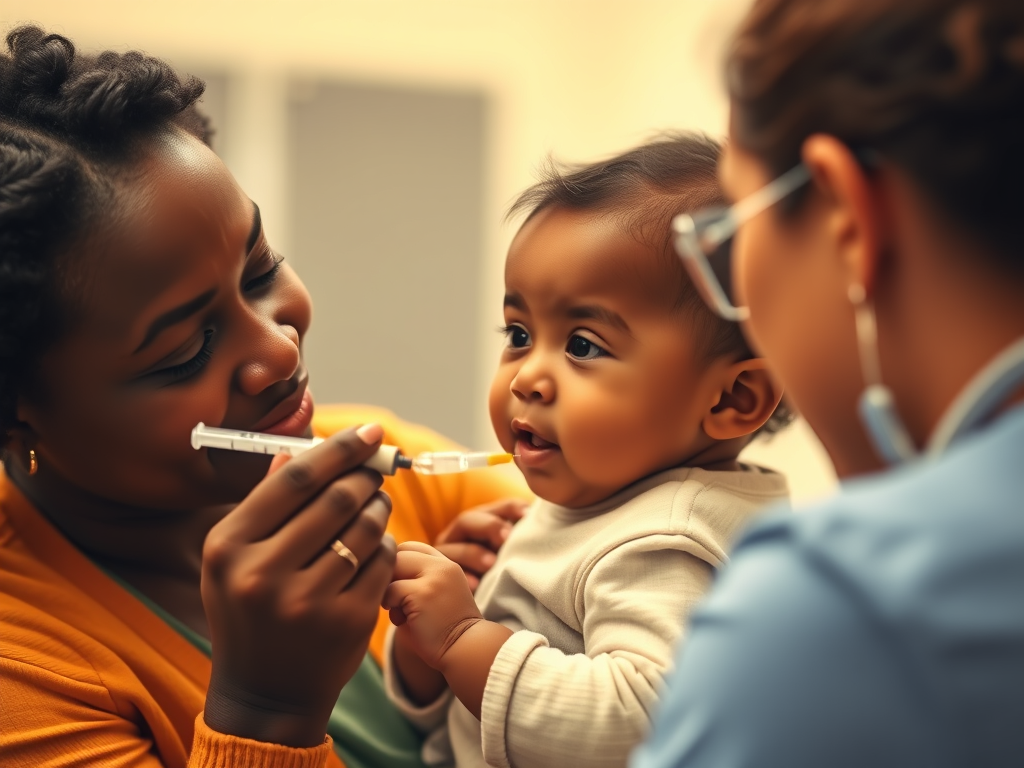
Polio vaccines are responsible for preventing a generation from experiencing the debilitating consequences of the disease. Just imagine the horror of watching a child struggle to walk or breathe, their muscles slowly losing strength as polio ravages their body. Vaccination stopped that from happening to millions of children. Every time a child receives the vaccine, they are protected from one of the most devastating illnesses of the last century.
- A World Nearly Free from Polio
Polio is on the verge of disappearing forever, and we’ve made it this far thanks to the vaccine. The number of polio cases has dropped by more than 99% worldwide since the 1980s. We’re closer than ever to the dream of a world without polio, where future generations won’t even have to worry about the disease.
- Herd Immunity: Protecting the Vulnerable
When a large enough portion of the population gets vaccinated, it’s harder for the disease to spread, this is herd immunity in action. It’s not just those who get vaccinated who benefit, but also the most vulnerable, who may not be able to get vaccinated or who are at higher risk of contracting the disease. Herd immunity ensures that even those who can’t be vaccinated are still protected, keeping the disease at bay.
- Affordable and Accessible
The polio vaccine is both cost-effective and easy to distribute. The oral polio vaccine (OPV), which comes in the form of a simple drop, can be administered anywhere. This has allowed massive vaccination campaigns to reach remote villages, refugee camps, and communities in conflict zones, where access to healthcare can be limited.
The Bad: The Challenges We Still Face
- Vaccine-Derived Polio
The oral polio vaccine (OPV) has been instrumental in eradicating polio, but there’s a catch. In rare cases, the weakened virus used in the vaccine can mutate and spread among under-immunized communities, causing a form of polio called vaccine-derived poliovirus (VDPV). This has raised concerns, particularly in areas where vaccination rates are low. While the number of cases is extremely small, it highlights the need for continued vigilance and better immunization coverage.
- The Side Effects: Rare, But Real
Like all vaccines, the polio vaccine can have side effects. For most people, these are mild fever, soreness at the injection site, or fatigue. But in some rare cases, individuals may have a more serious reaction, such as an allergic response. While these severe reactions are very rare, they understandably cause concern for some parents and caregivers, leading to hesitancy about vaccinating their children.
- Vaccine Hesitancy: A Growing Concern
Even with overwhelming evidence of the vaccine’s safety and effectiveness, vaccine hesitancy remains a persistent challenge. Misinformation, fear, and cultural or religious beliefs can make some communities reluctant to vaccinate their children. This has been particularly problematic in conflict zones and places with limited healthcare infrastructure, where misinformation about vaccines has led to resistance.
- Getting the Vaccine to Every Child
While the polio vaccine is relatively simple and affordable, delivering it to every child in need is no small task. In conflict zones, war-torn countries, and remote areas with limited access to healthcare, getting vaccines to children can be a logistical nightmare. Political instability, insecurity, and lack of infrastructure make it difficult to reach every child in need, and these barriers slow down progress toward a polio-free world.
Why It Matters Now
Polio is nearly gone, but the job isn’t finished yet. As we approach the final stages of polio eradication, we face the challenge of reaching the last unvaccinated children, overcoming misinformation, and ensuring that polio never returns. The polio vaccine has given us a unique opportunity to eliminate a disease from the planet forever something we’ve never been able to do before.
What’s at stake is not just the eradication of polio, but the idea that with the right tools, global cooperation, and continued vigilance, we can conquer other diseases that once seemed insurmountable.
The road to a polio-free world is within reach, but it requires continued commitment, better outreach, and overcoming the final hurdles. With your support, this generation can be the one that sees polio eradicated for good.


 Sure Media Magazine
Leave a comment